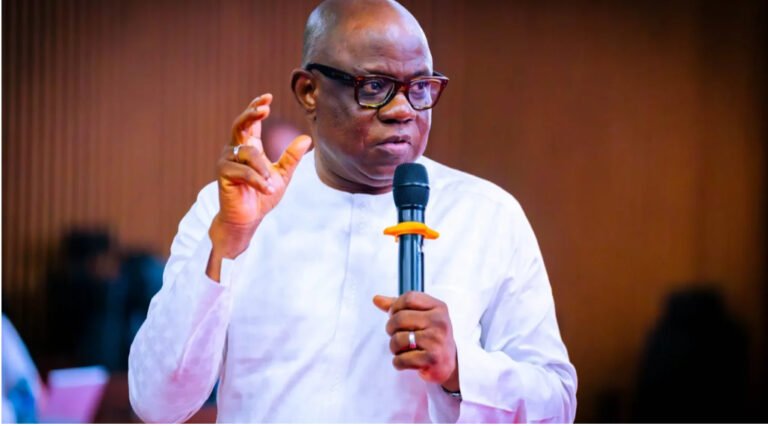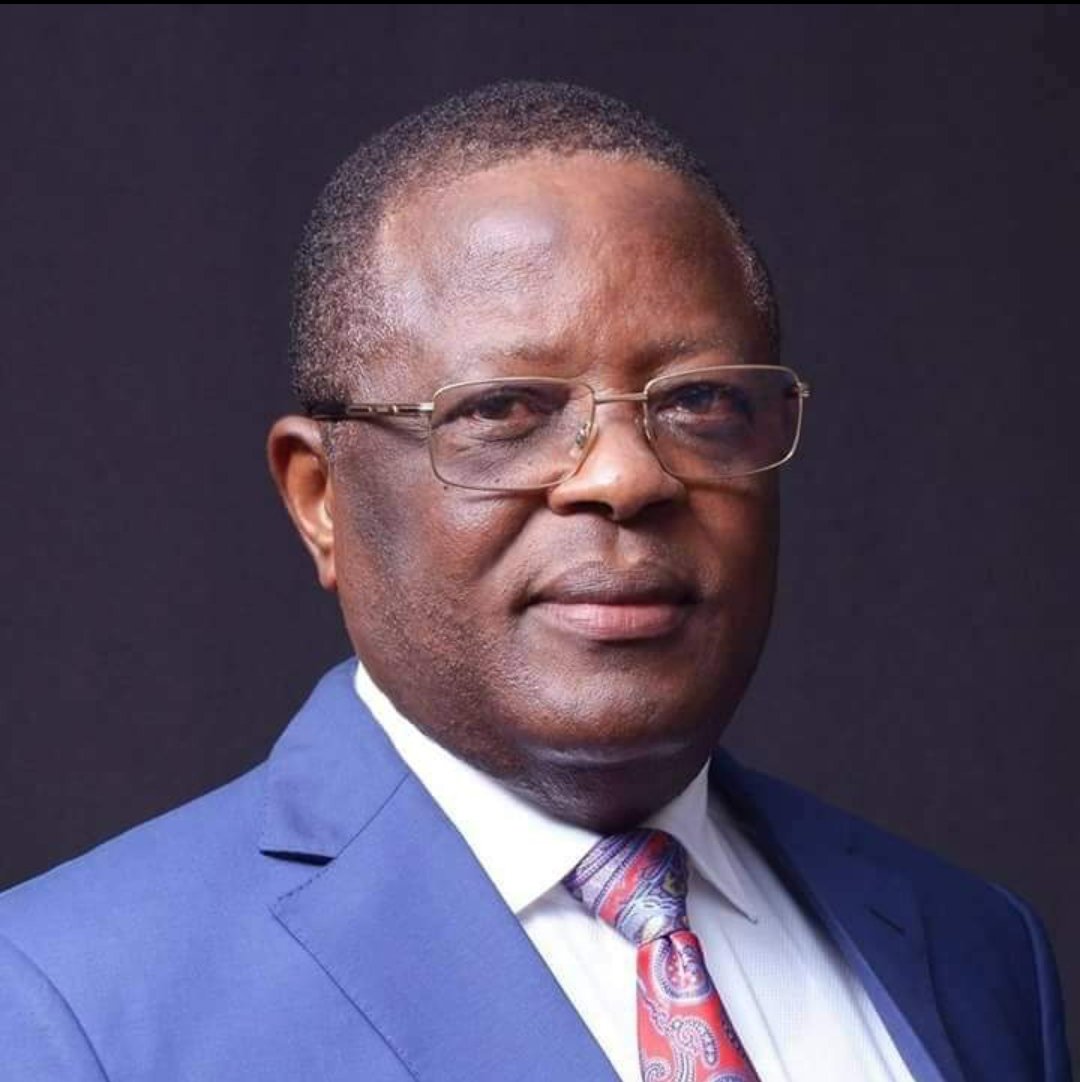
The Minister of Works, David Umahi, has claimed that the presidential candidate of the Nigeria Democratic Congress (NDC), Peter Obi, declined his invitation to a public debate because he believed he could not prevail in a comparison of their respective records in public office.
Umahi made the assertion while defending his performance as a former governor and his current role as Minister of Works, arguing that an open discussion would have allowed Nigerians to objectively assess the achievements of both leaders based on infrastructure development, governance, and public service delivery.
Furthermore, the minister maintained that public officials should be willing to subject their records to public scrutiny as part of democratic accountability.
Umahi Defends His Performance
According to the minister, his years in public office produced measurable results in infrastructure development and governance.
Furthermore, he pointed to road construction, bridge development, urban renewal, and other public projects executed during his tenure as evidence of his commitment to development.
Umahi stated that his record speaks for itself.
Performance remains central to public leadership.
Claim Over Debate Invitation
Umahi said he had extended an invitation for a public debate that would allow both leaders to present and compare their achievements before Nigerians.
Furthermore, he alleged that Peter Obi declined the invitation because he was not confident of defending his record against his own.
The minister argued that such engagements encourage transparency and informed public discourse.
Importance of Public Accountability
The Works Minister emphasised that elected and former public office holders should be prepared to account for their stewardship.
Furthermore, he noted that constructive public debates provide citizens with opportunities to evaluate policies, leadership styles, and development outcomes.
Open discussions strengthen democratic participation.
Focus on Infrastructure Development
Umahi reiterated that infrastructure remains one of the key indicators of effective governance.
Furthermore, he highlighted the Federal Government’s ongoing investment in highways, bridges, and transport infrastructure as evidence of the administration’s commitment to national development.
He said improved infrastructure supports economic growth and national connectivity.
Political Engagement and Democratic Debate
Public debates have traditionally been viewed as an avenue for political leaders to present their ideas and defend their records.
Furthermore, political analysts often regard such engagements as opportunities to deepen democratic accountability and encourage informed civic participation.
Respectful dialogue contributes to healthy democratic processes.
Public Interest in Leadership Records
The comments have generated renewed public discussion about the importance of evaluating political leaders based on their performance while in office.
Furthermore, many observers believe that governance records, policy implementation, and measurable achievements remain important factors in assessing public leadership.
Citizens continue to demand greater accountability from elected officials.
Debate Reflects Nigeria’s Political Landscape
Umahi’s remarks highlight the continuing exchange of views among leading political figures regarding governance and public service.
Furthermore, as discussions around leadership and national development continue, public attention remains focused on the records, policies, and visions presented by those seeking to shape Nigeria’s future.
Constructive political engagement remains an important component of the country’s democratic system.
About The Author