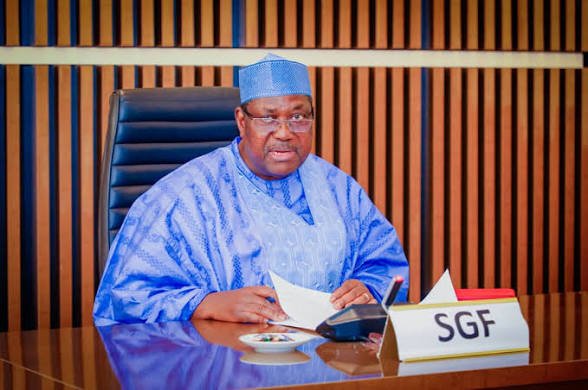
The Secretary to the Government of the Federation, George Akume, and the Sultan of Sokoto, Muhammadu Sa’ad Abubakar, have cautioned political actors and Nigerians against weaponising religion ahead of the 2027 general elections.
Their warning comes amid growing political activities across Nigeria. Therefore, the appeal highlights the importance of preserving national unity and preventing divisive narratives during the election season.
Why the Warning Matters
Religion remains highly sensitive in Nigeria.
Political actors sometimes exploit religious sentiments to gain support or weaken opponents. However, such strategies often deepen divisions and threaten social harmony. Therefore, the intervention by George Akume and Muhammadu Sa’ad Abubakar carries significant national importance.
Their message encourages citizens to prioritise peace, tolerance, and issue-based politics.
Protecting National Cohesion
Unity strengthens democracy.
Nigeria’s diversity remains one of its greatest strengths. Therefore, preserving peaceful coexistence among different religious and ethnic groups is essential for national stability.
Leaders across political, religious, and traditional institutions continue to emphasise that elections should not become platforms for division.
The Influence of Religious Leaders
Religious leaders shape public attitudes.
The Sultan of Sokoto, as a respected traditional and religious figure, holds considerable moral influence across the country. Therefore, his voice on national unity and peaceful coexistence carries strong weight.
His involvement reinforces the importance of interfaith harmony during politically sensitive periods.
Encouraging Issue-Based Campaigns
Elections should focus on governance.
Citizens increasingly expect discussions around economic growth, security, infrastructure, education, and healthcare rather than religious identity. Therefore, political actors are being urged to campaign based on policies and competence.
Issue-based politics strengthens democratic maturity and national development.
The Risks of Religious Polarisation
Division weakens societies.
History has shown that religious tension can fuel mistrust, violence, and instability. Therefore, preventing inflammatory rhetoric remains critical ahead of the 2027 elections.
Responsible communication from political leaders, media platforms, and supporters will play an important role in maintaining peace.
The Role of Citizens
National unity requires collective responsibility.
Beyond politicians, citizens also have a role in rejecting divisive narratives and promoting tolerance. Therefore, public awareness and civic responsibility remain essential during election periods.
Peaceful elections depend on both leadership and citizen conduct.
Looking Ahead
Political activities will continue to intensify.
As preparations for the 2027 elections gather momentum, more appeals for peaceful conduct and national unity are expected. Therefore, stakeholders across sectors must continue promoting responsible engagement.
However, the warning by George Akume and Muhammadu Sa’ad Abubakar provides an important reminder.
Conclusion: Choosing Unity Over Division
The caution issued by George Akume and the Sultan of Sokoto, Muhammadu Sa’ad Abubakar, underscores the need for peaceful and inclusive politics ahead of 2027.
By rejecting the weaponisation of religion, Nigeria can strengthen democratic stability and national cohesion.
Ultimately, elections should unite citizens around progress and shared aspirations rather than divide them along religious lines.
About The Author