Nigeria’s transport system reflects a story of resilience shaped by constant demand and limited capacity. Across cities and rural communities, millions rely daily on a network that remains largely road-based. However, this system continues to struggle under the weight of rapid population growth and evolving economic realities.
Heavy Dependence on Road Transport
Road transport dominates movement across the country. From commercial buses to private vehicles and motorcycles, roads carry the bulk of passengers and goods. This reliance places enormous pressure on existing infrastructure.
Over time, many roads have deteriorated due to overuse and insufficient maintenance. As a result, travel becomes slower, more expensive, and less predictable. Businesses often face delays, while commuters spend long hours navigating congestion.
Urban Congestion and Daily Struggles
Major cities experience the highest level of strain. Urban centres continue to expand, yet transport systems have not kept pace. Consequently, traffic congestion remains a daily challenge for millions.
Workers leave home early and return late, often spending hours on the road. This reduces productivity and affects quality of life. In addition, fuel consumption increases, raising the overall cost of transportation.
Challenges in Rural Connectivity
Rural areas face a different but equally serious problem. Many communities lack reliable road access. During rainy seasons, some routes become impassable. This limits access to markets, healthcare, and education.
Farmers, in particular, struggle to transport goods efficiently. Post-harvest losses increase when produce cannot reach markets on time. Therefore, weak rural connectivity directly affects food supply and income levels.
Limited Alternatives to Road Transport
While other modes exist, they remain underdeveloped. Rail systems have seen gradual improvements, yet coverage remains limited. Water transport operates in certain regions, but infrastructure and safety concerns restrict its full potential.
A balanced transport system requires multiple options. Without this balance, pressure on roads will continue to grow.
The Role of National Agency for Science and Engineering Infrastructure (NASENI)
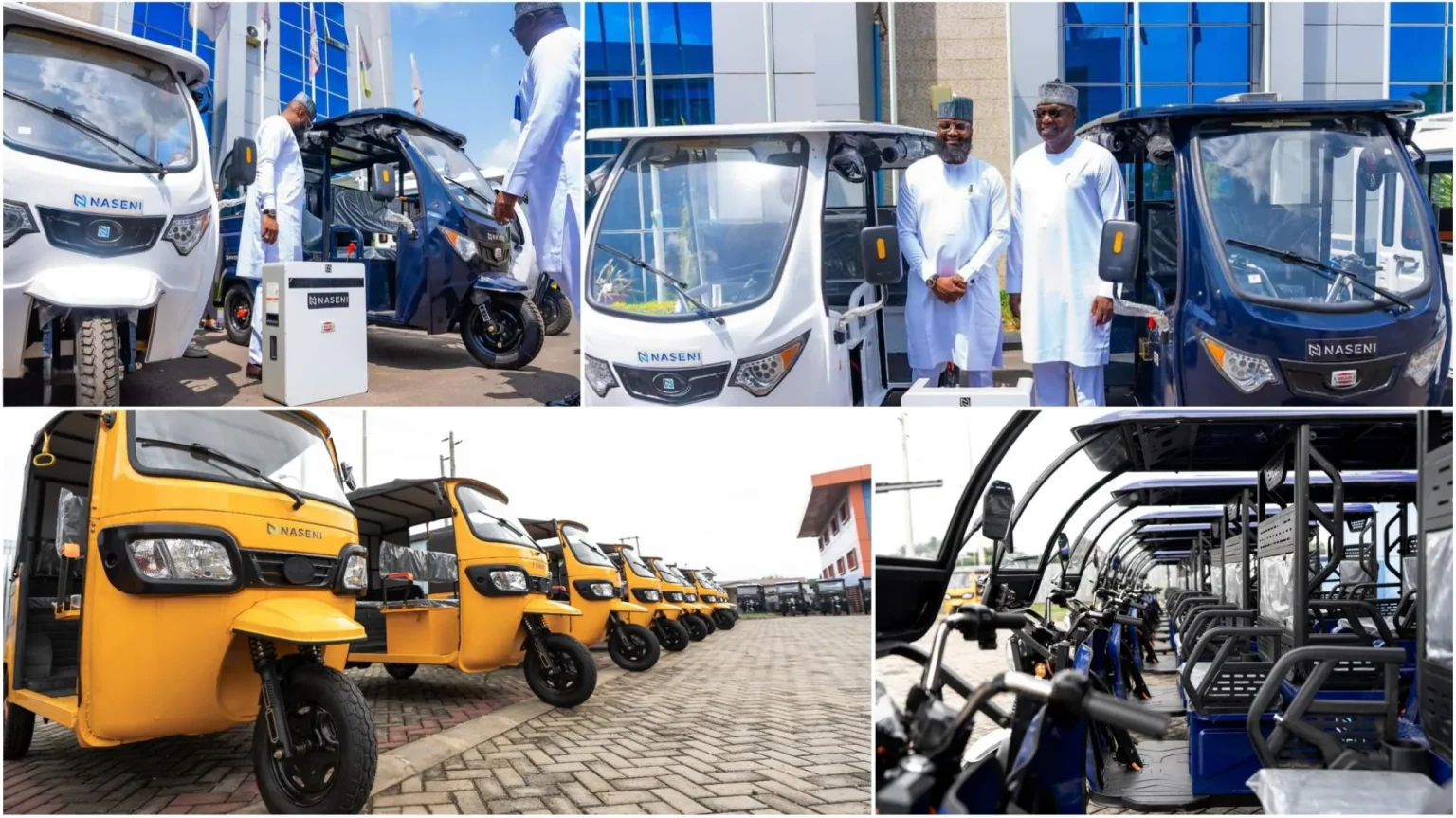
Innovation and local engineering capacity can play a transformative role in addressing these challenges. The National Agency for Science and Engineering Infrastructure (NASENI) is positioned to support this shift through technology-driven solutions.
NASENI focuses on developing local manufacturing and engineering systems. In the transport sector, this can translate into:
- Locally assembled vehicles and components
- Improved maintenance technologies
- Development of alternative transport solutions
- Support for infrastructure innovation
By promoting homegrown solutions, NASENI helps reduce dependence on imports. This approach can lower costs and improve sustainability over time.
Economic Impact of Transport Gaps
Transport inefficiencies affect the broader economy. High logistics costs increase the price of goods and services. Businesses face operational challenges, which can limit expansion and job creation.
In addition, unreliable transport systems discourage investment. Investors often seek environments with efficient infrastructure. Therefore, improving transport is essential for economic growth.
Opportunities for Reform and Innovation
Despite these challenges, opportunities exist. Strategic investment in infrastructure can transform the system. Expanding rail networks, improving road quality, and developing waterways can ease pressure on existing routes.
Collaboration with institutions like the National Agency for Science and Engineering Infrastructure (NASENI) can accelerate innovation. Digital tools, smart logistics systems, and locally engineered solutions can enhance efficiency and reliability.
Looking Ahead
Nigeria’s transport system continues to endure under pressure. However, resilience alone is not enough for future growth. Sustainable progress requires deliberate action and long-term planning.
By diversifying transport options and leveraging institutions like the National Agency for Science and Engineering Infrastructure (NASENI), the country can build a more efficient and reliable system. This shift will improve mobility, strengthen the economy, and enhance everyday life for millions.
About The Author