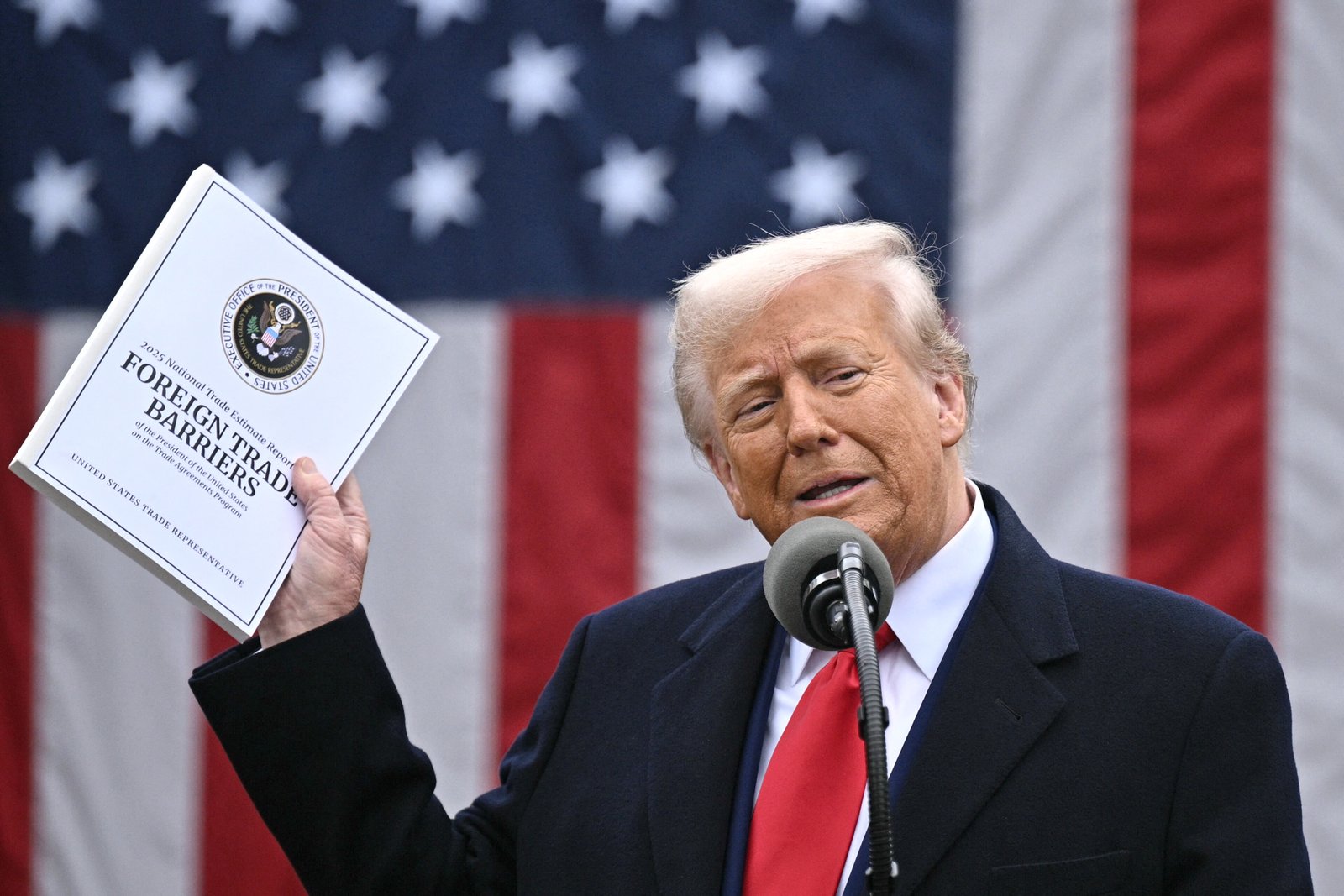
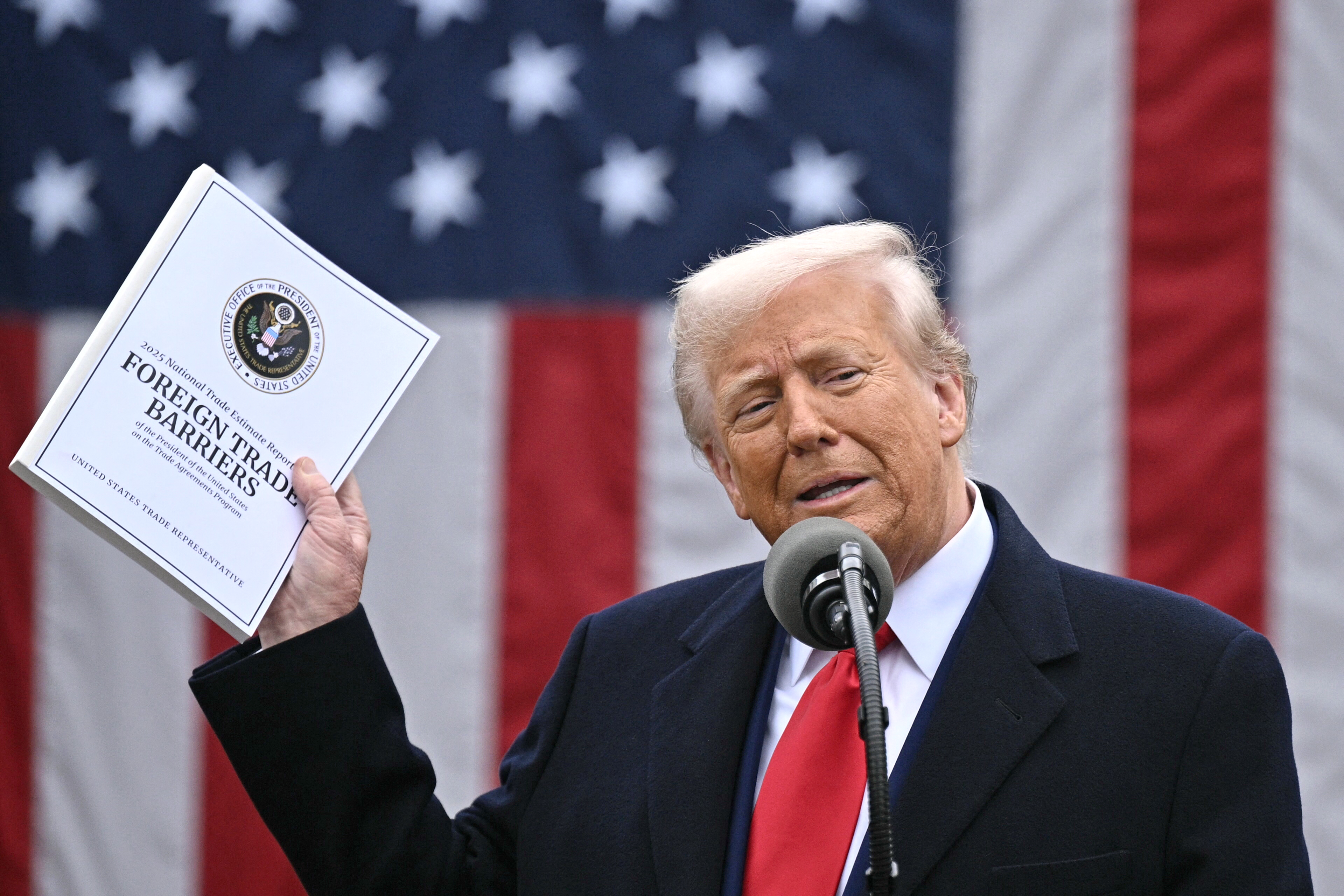
Trump S Tariff — China warned Thursday that it reserves the right to take “necessary measures” to retaliate against the Trump Administration’s proposed new tariffs. This have reignited global trade tensions.
“China urges the U.S. to correct its wrong practices and return to the right track of resolving issues through dialogue and consultation,” said He Yadong, spokesperson for the Ministry of Commerce. He added that Beijing “reserves the right to take necessary measures and will resolutely safeguard its legitimate rights and interests.”
The Trump Administration targeted 14 trading partners Wednesday in a slew of new tariffs that are set to come into effect early next year. The levies will be imposed under Section 301 of the Trade Act of 1974 following an investigation led by U.S. Trade Representative Jamieson Greer. Therefore, the U.S. said the probe had found demonstrations of unfair trade practices and excess manufacturing capacity. Mexico and Norway were not listed in the new proposals, as investigations into their respective trade practices are ongoing. However, greer framed the tariffs as a way to “level the playing field for American workers and chart a new, more sustainable course for the world economy.” The Section 301 avenue is a way for the Trump Administration to reinstate many of the tariffs that were deemed illegal and struck down by the Supreme Court in February.
China is facing a 20% tariff. This the Trump Administration said it could double to 40% if Beijing does not adhere to the terms of an existing trade truce with Washington.
Another major U.S. trading partner, Vietnam, is facing tariffs of up to 35%. The country’s Ministry of Industry and Trade said it was in the process of “developing and submitting counter-arguments to the preliminary conclusions and inaccurate opinions and allegations from relevant parties.”
Agathe Demarais, a senior policy fellow at the European Council on Foreign Relations, views the tariff proposals as a pressure point on Southeast Asian economies and their trade relations with the U.S. and China.
She says that many of the region’s economies see a lot of Chinese goods pass through before heading to the U.S. market, with tariffs intended to “make it more difficult for economies like Vietnam to position themselves as collector economies between the U.S. and China,” she tells TIME.
The proposed tariffs are subject to a public notice and comment period, with a hearing set to take place early next year before they go into effect, allowing countries to issue responses and arguments.
Deborah Elms, head of trade policy at the Singapore-based Hinrich Foundation, says the proposed measures are already generating significant “resentment” among trading partners.
On top of that, the proposed rates have prompted uncertainty for major economies as to what Washington could do next. “If the U.S. unilaterally determines that the partner is not living up to expectations, then the number can ramp up higher,” she says. Therefore, “That doesn’t really support trust, and it makes it very hard to plan ahead.”
Amid rising tensions, several trading partners are already following China’s lead in voicing their disapproval over the rates.
Bernd Lange, trade committee chair in the European Parliament, said it was “absurd” the E.U. is facing a 20% tariff. He expressed hope that any enforced tariffs will adhere to the Turnberry agreement signed between Washington and the E.U. Therefore, last year, which capped U.S. tariffs at 15%.
“Washington’s allegations about E.U. industrial overcapacity are absurd. We’ll now see whether the announced U.S. Therefore, tariffs comply with Turnberry in practice,” he said. “If Washington breaches its commitments, the E.U. must act swiftly. However, it has the legal means to do so.”
Elms says the threat to hike rates against economies that already have a trade pact with the U.S. further calls into question “how durable” trade commitments with Washington are.
Overall, the proposed rates are just “one more complication in the relationship with the U.S.” that global partners have to contend with, adds Demarais.
Singapore and Japan also hit back at the prospect of respective 20% tariff rates.
Singapore’s Ministry of Energy, Trade. Additionally, Industry said it was “very disappointed” by the assessment and argued that the U.S. Trade Representative’s findings “do not take into account the structure of Singapore’s economy.” Japan’s Chief Cabinet Secretary Minoru Kihara referred to the U.S. tariffs as “regrettable,” insisting that: “Japan does not have any nonmarket policies or practices, or structural excess production capacity in the first place.”
Brazil fights back after being singled out
Alongside the sweeping tariffs against 14 trading partners, the Trump Administration published a separate proposal seeking to raise levies on Brazil by specifically targeting its sugar and aircraft exports.
“Imposing an additional, specific tariff on sugar imports from Brazil and an additional 10% tariff on finished aircraft exports from Brazil is intended to help bring Brazil to the table,” said the office of the USTR (U.S. Trade Representative). The announcement came amid stalled trade talks between Washington and Brazil.
The Brazilian government expressed “outrage” over the proposed raising of rates, arguing that it has “been acting in good faith in negotiations” relating to Section 301 with the U.S. for over a year.
“The USTR’s unilateral decision constitutes an unacceptable action within the ongoing bilateral negotiation process. Brazil will not yield to this type of threat,” the government vowed in a statement.
It said Brazil would continue to negotiate with the U.S., “without ruling out the possibility of adopting retaliatory measures in response to the illegal and unjust imposition of tariffs on Brazilian products.”
Democratic lawmaker vows to tackle Trump’s tariffs
The Trump Administration could face significant pushback from the U.S. Congress next year, as Democrats will take control of both the House and Senate in January following sweeping victories in the midterms.
Senator Ron Wyden of Oregon, who will chair the Senate Finance Committee next year, has vowed to try and overturn Trump’s tariffs.
“This is another blatant attempt by Donald Trump to reconstruct his illegal global tariffs, no matter the cost to American families, workers. Additionally, small businesses. Global overcapacity is a serious problem. However, Trump’s unilateral price-hiking tariffs are not the solution,” Wyden said in a statement. “As incoming Finance Committee Chairman, I will use every tool at my disposal to end Trump’s tariff chaos and restore Congress’ constitutional authority over trade.”
However, securing a veto-proof majority to rein in Trump’s authority could well prove difficult.
Among the general public, tariffs remain deeply unpopular with Americans. An NBC News exit poll following the midterm elections found that 66% of voters believed Trump’s tariff policies had hurt the national economy.
More coverage of Trump S Tariff is expected as the story develops.
About The Author