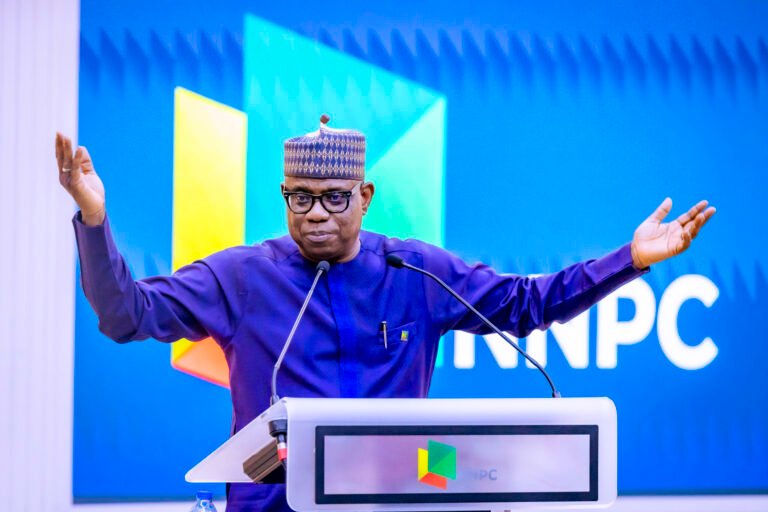
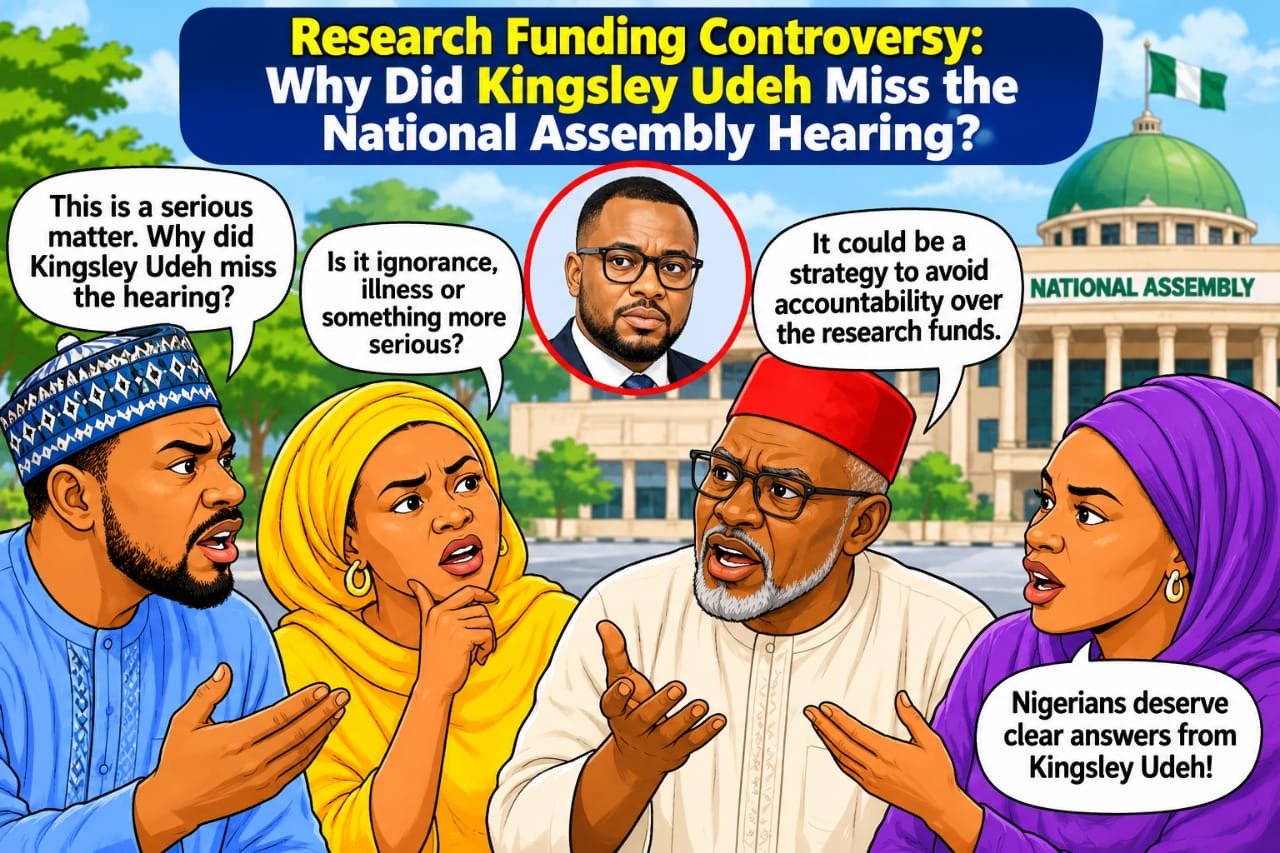
Nigeria’s research and innovation sector has returned to the centre of national debate following a controversy involving the Minister of Innovation, Science and Technology, Dr Kingsley Tochukwu Udeh. The minister’s absence from a House of Representatives public hearing on the proposed National Research and Innovation Development Fund has attracted criticism from lawmakers, who warned that the development could delay an important initiative of President Bola Tinubu’s administration.
However, beyond the political exchanges, the controversy raises a more significant question: can Nigeria establish a sustainable funding system that will help local researchers turn scientific discoveries into practical solutions, businesses and jobs?
The proposed fund could become an important part of the country’s innovation agenda. Consequently, the disagreement between the ministry and lawmakers deserves attention, particularly because the legislation requires cooperation between both arms of government.
What Happened at the National Assembly?
On November 12, 2026, the House of Representatives Committee on Science and Technology held a public hearing on the National Research and Innovation Development Fund and National Council on Research and Innovation Bill, 2026, identified as HB 2821.
The proposed legislation seeks to establish a dedicated funding structure for research institutions, support scientific development and encourage the commercialisation of locally developed innovations.
However, the committee expressed displeasure when neither Udeh nor the ministry’s Permanent Secretary attended the hearing. According to reports by The Punch and Vanguard, the lawmakers considered the ministry’s absence particularly concerning because its responsibilities directly relate to the proposed legislation.
Furthermore, the committee noted that President Bola Tinubu’s administration had sponsored the bill and transmitted it to the National Assembly for consideration.
Speaking on behalf of the committee, Ahmed Usman Jaha questioned why the ministry responsible for the subject matter would fail to participate in a legislative process involving an executive-sponsored proposal.
He described the absence as a possible act of sabotage against cooperation between the executive and legislative arms of government.
Nevertheless, the available reports did not establish why Udeh and the Permanent Secretary failed to attend. Therefore, it would be premature to conclude that the minister deliberately opposed the proposed fund or intended to frustrate the President’s initiative.
Why the Lawmakers Are Concerned
The lawmakers’ concerns extend beyond the minister’s attendance.
Nigeria has a considerable population of researchers, scientists, academics, technology entrepreneurs and young innovators. However, many promising ideas struggle to progress beyond universities, research centres and laboratories because of limited financing and weak connections between research institutions and industry.
As a result, discoveries that could support manufacturing, healthcare, agriculture and other sectors sometimes fail to reach the commercial market.
The proposed National Research and Innovation Development Fund aims to address this challenge by creating a coordinated financing structure.
According to the committee, the initiative could also help Nigeria attract financial support from international development partners, donor agencies, United Nations organisations and Nigerians living abroad.
Therefore, lawmakers believe that the Ministry of Innovation, Science and Technology should actively participate in examining the legislation, identifying possible gaps and explaining how the proposed structure could work.
Importantly, the public hearing offered the ministry an opportunity to contribute technical knowledge, recommend amendments and raise concerns before lawmakers advance the bill.
What Does the Proposed Research Fund Offer?
The proposed legislation seeks to establish both a National Research and Innovation Development Fund and a National Council on Research and Innovation.
The proposed council, which would be chaired by the Vice-President, would coordinate national research priorities and provide institutional direction for the country’s innovation agenda.
Meanwhile, the fund would provide financial support for research activities and encourage the development of commercially viable products.
During the hearing, Committee Chairman Zakariya Tijjani Zannah emphasised the importance of sustainable financing, transparent governance and independent grant allocation.
He also highlighted several provisions requiring closer examination.
For instance, Section 19 proposes a 20 per cent contribution from the Nigerian Content Development Fund, alongside government appropriations, grants and proceeds from commercialisation.
Similarly, Section 21 proposes a 2.5 per cent cap on administrative expenditure. Lawmakers want stakeholders to examine whether the arrangement has a sound legal foundation and can sustain the proposed institution.
Additionally, Section 34 provides for competitive, peer-reviewed research grants, while Section 37 addresses intellectual property protections.
These provisions matter because establishing a research fund is only the first step. Its long-term success will depend on transparent financial management, fair access to grants and measurable outcomes.
Is the Controversy Becoming a Political Disagreement?
The reaction to Udeh’s absence has introduced a political dimension into what should primarily be a national development discussion.
Jaha’s remarks about possible sabotage reflect the committee’s frustration. However, the accusation remains an allegation made by a lawmaker, not an established finding of misconduct.
Moreover, reports indicated that none of the other invited ministers attended the hearing. This detail provides additional context, although the committee singled out the Science and Technology Ministry because of its direct connection to the proposed legislation.
Consequently, the most productive response would be to establish why the ministry was absent and ensure that the relevant officials participate in the remaining legislative process.
Udeh’s ministry also has an opportunity to explain its position on the proposed funding structure. If officials identify concerns about financing, governance or implementation, the public hearing process provides an appropriate platform to present those concerns.
After all, meaningful legislation requires constructive engagement rather than political confrontation.
What Nigerians Should Expect from Kingsley Udeh
As Minister of Innovation, Science and Technology, Udeh faces expectations to help strengthen Nigeria’s research ecosystem and support the development of home-grown technologies.
However, the responsibility does not rest on the minister alone. Universities, research institutions, private-sector investors, lawmakers and other government agencies must also contribute to building a sustainable innovation system.
For that reason, Nigerians should expect the ministry to clarify its absence, engage with the committee and explain how it intends to support the proposed fund.
At the same time, lawmakers must ensure that the final legislation provides clear funding arrangements, independent grant administration and safeguards against political interference.
The proposed fund should benefit researchers across the country, including universities, polytechnics, specialised research institutions and independent innovators.
The Bigger Picture
Ultimately, the controversy surrounding Kingsley Udeh’s absence should not distract from the importance of establishing a functional research and innovation funding system.
Nigeria cannot build a competitive technology economy without sustained investment in research, scientific development and commercialisation. The country needs institutions capable of turning local discoveries into products, businesses and employment opportunities.
Although the National Assembly has raised legitimate questions about the ministry’s participation, the next step should focus on clarification, cooperation and progress on the legislation.
Udeh now has an opportunity to engage directly with lawmakers and demonstrate how his ministry intends to contribute to the President’s research and innovation agenda.
The real test will not simply be whether the minister attends another hearing. It will be whether the government can establish a transparent, properly funded institution that gives Nigerian researchers the opportunity to transform their ideas into solutions that benefit the country.
About The Author