
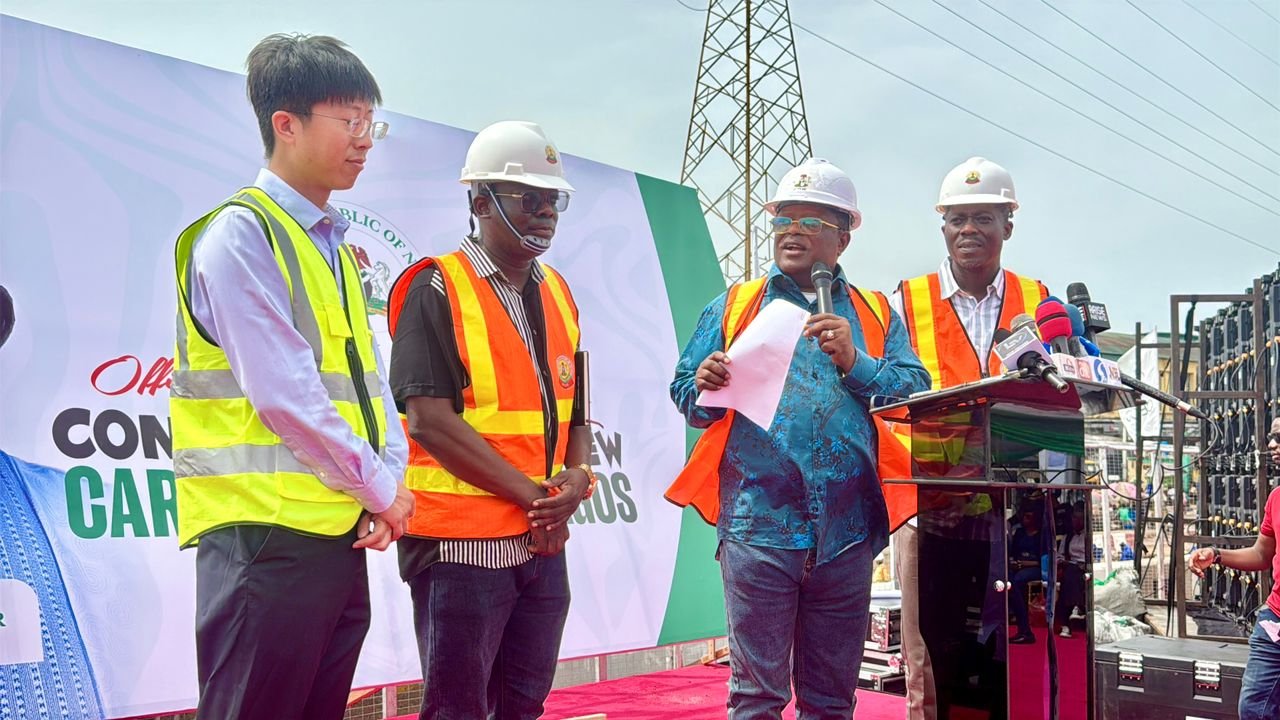
The Federal Government has approved the construction of a new Carter Bridge in Lagos at an estimated cost of about N545 billion.
This decision reflects a decisive push to rebuild aging infrastructure. Therefore, it addresses long-standing structural concerns affecting one of the city’s most vital transport links in Nigeria.
Why the Project Matters
Infrastructure underpins urban efficiency.
The existing Carter Bridge serves as a critical connection between Lagos Island and the mainland. However, years of heavy usage and structural stress have raised concerns about its long-term integrity.
Therefore, constructing a new bridge ensures safety, reliability, and improved capacity for growing traffic demands.
Addressing Structural Defects
Safety remains a priority.
Over time, key bridges in Lagos have experienced wear and structural challenges. Therefore, the government’s decision targets these vulnerabilities directly.
By replacing or upgrading aging infrastructure, authorities aim to prevent potential failures and enhance public confidence.
Boosting Traffic Flow and Urban Mobility
Congestion limits productivity.
Lagos faces significant traffic challenges due to its population and economic activity. Therefore, a modern bridge will improve traffic flow and reduce travel time.
Efficient mobility also enhances business operations. Consequently, commuters and logistics operators will benefit from smoother movement.
Driving Economic Growth
Infrastructure investment fuels development.
A project of this scale will create jobs during construction. It will also stimulate economic activity through increased connectivity.
Therefore, the new Carter Bridge will support trade, commerce, and urban expansion across Lagos.
Aligning with National Development Goals
Strategic investments matter.
The project aligns with broader efforts to modernise infrastructure across Nigeria. Therefore, it reflects a commitment to long-term development.
Such investments also position Lagos as a more competitive economic hub.
Balancing Cost and Value
Large projects require scrutiny.
At N545 billion, the cost highlights the scale of the investment. Therefore, transparency and efficient execution will be critical.
Stakeholders will expect value for money and timely delivery.
Looking Ahead
Execution will define success.
Planning, funding, and construction phases must proceed smoothly. Therefore, coordination among agencies and contractors remains essential.
However, the approval marks a significant starting point.
Conclusion: Building the Future of Lagos Connectivity
The approval of a new Carter Bridge represents a transformative step for Lagos.
By addressing structural challenges and expanding capacity, Nigeria strengthens its infrastructure foundation.
Ultimately, modern bridges do more than connect locations—they connect opportunities, drive growth, and improve everyday life.
About The Author