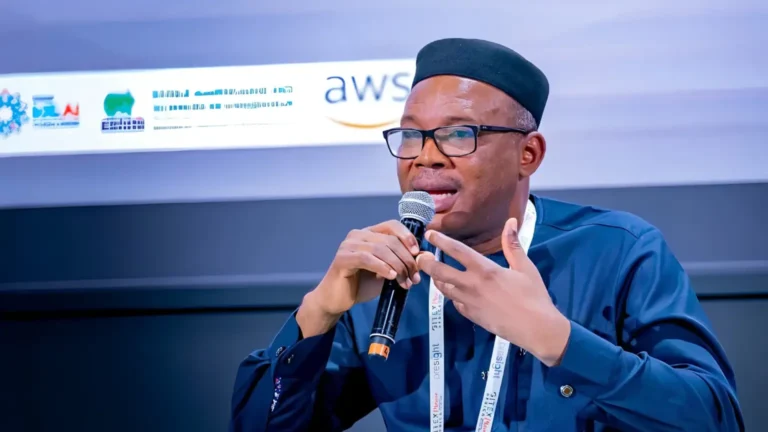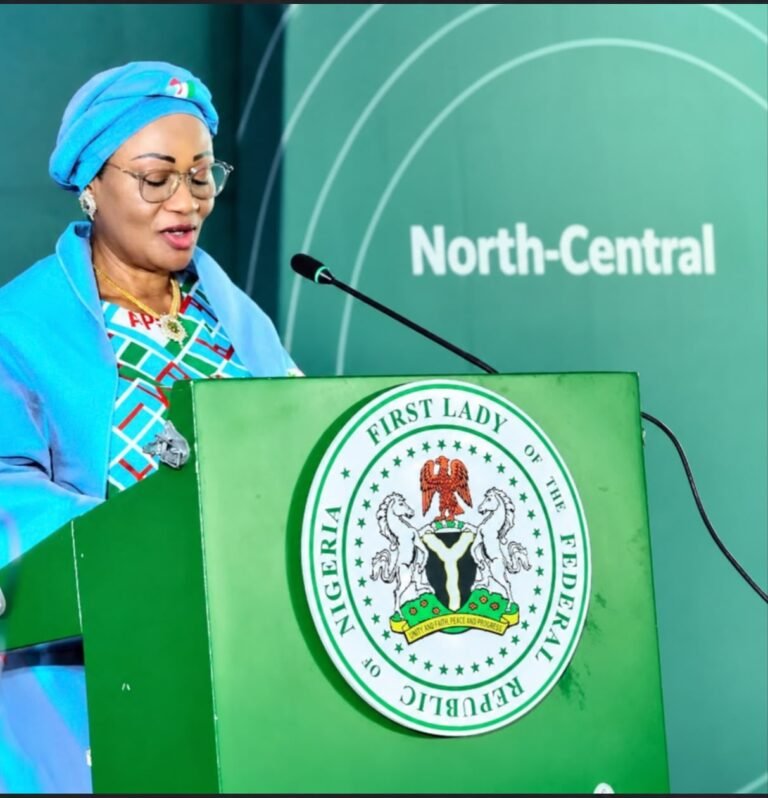

The Nigerian Maritime Administration and Safety Agency (NIMASA) has removed the age restriction for participation in its National Innovation Hackathon 2026, organised under the NIMASA-Blue Economy Accelerator Programme (NIMASA-BEAP).
The decision broadens eligibility for the innovation competition, allowing more Nigerians with relevant ideas and technology-driven solutions to participate, regardless of age.
The hackathon forms part of NIMASA’s efforts to encourage innovation in the maritime sector and support solutions capable of addressing challenges across Nigeria’s blue economy.
By removing the age barrier, the agency is widening the pool of potential participants, creating opportunities for experienced professionals, established entrepreneurs, researchers and younger innovators to contribute ideas that could improve maritime operations and related industries.
Expanding Opportunities for Blue Economy Innovators
The removal of the age restriction signals a broader approach to participation in maritime innovation, placing greater emphasis on the relevance and potential impact of ideas rather than the age of applicants.
The blue economy encompasses economic activities connected to oceans, seas, inland waterways and other aquatic resources. In Nigeria, the sector includes maritime transport, shipping, fisheries, aquaculture, marine tourism, port services and other activities linked to waterways and coastal resources.
These industries face challenges that may benefit from technology-driven solutions, including operational inefficiencies, maritime safety concerns, environmental protection, logistics management and limited access to digital services.
Through the hackathon, NIMASA seeks to encourage innovators to develop ideas and solutions that can contribute to addressing such challenges.
Opening the competition to participants across age groups could also encourage collaboration between people with different professional experiences, technical skills and knowledge of the maritime industry.
NIMASA-Blue Economy Accelerator Programme
The National Innovation Hackathon operates under NIMASA-BEAP, an initiative intended to support innovation and entrepreneurship within Nigeria’s blue economy.
Accelerator programmes typically help promising ideas or early-stage businesses progress through structured development, mentorship and opportunities to engage with relevant industry stakeholders.
Within the maritime sector, such support can help innovators explore how technology can improve existing services, create new business opportunities and address problems affecting operators and communities.
Potential areas of innovation include digital shipping services, maritime data systems, port logistics, vessel monitoring, marine environmental protection and technologies supporting sustainable aquatic-resource management.
However, the commercial or operational value of any proposed solution will depend on its technical feasibility, cost, safety, regulatory compliance and ability to address a clearly identified need.
Encouraging Participation Beyond Age Barriers
Age restrictions can limit participation by excluding people who possess relevant expertise or have developed solutions outside the age range specified for a competition.
Removing that requirement could allow a wider range of applicants to present ideas based on professional experience, research, entrepreneurship or direct knowledge of maritime challenges.
Experienced professionals may contribute industry knowledge and an understanding of operational difficulties, while younger participants may bring expertise in emerging technologies and new approaches to product development.
Bringing these perspectives together can create opportunities for collaboration and help innovators assess their ideas against practical industry requirements.
Nevertheless, prospective participants should still review the official competition guidelines to confirm other eligibility conditions, application procedures, submission deadlines and assessment criteria.
The removal of the age restriction does not, by itself, establish that all other requirements have been waived.
Innovation and Nigeria’s Blue Economy
Nigeria’s maritime sector plays an important role in trade, transportation and economic activity. Improving efficiency and safety across the sector could create opportunities for businesses, technology developers and skilled professionals.
Innovation competitions can provide a platform for identifying ideas that may be developed into practical products or services. They can also connect innovators with institutions that understand industry challenges and may be able to support testing or implementation.
For the blue economy, such initiatives could help draw attention to opportunities in digital transformation, environmental sustainability, maritime security and more efficient use of aquatic resources.
However, the long-term impact of a hackathon depends on what happens after the competition. Promising ideas require further development, testing, funding and engagement with potential users before they can deliver measurable results.
NIMASA-BEAP’s contribution will therefore depend not only on encouraging applications but also on the opportunities available to help suitable innovations progress beyond the initial competition.
Next Steps for Interested Applicants
Innovators interested in the National Innovation Hackathon 2026 should consult NIMASA’s official communication channels for the latest application instructions and programme requirements.
Applicants should pay attention to the stated submission format, eligibility rules, deadlines and any documentation required to enter the competition.
They should also ensure that their proposals clearly identify the maritime or blue economy problem they intend to address, explain how their solutions would work and demonstrate their potential practical value.
As the programme opens participation to people across age groups, the central consideration becomes the quality, relevance and feasibility of the proposed innovations, subject to the competition’s published rules.
Ultimately, removing the age restriction expands the opportunity for more Nigerians to contribute to maritime innovation. The decision also places renewed attention on the potential role of technology, entrepreneurship and collaboration in developing solutions for the country’s blue economy.
About The Author