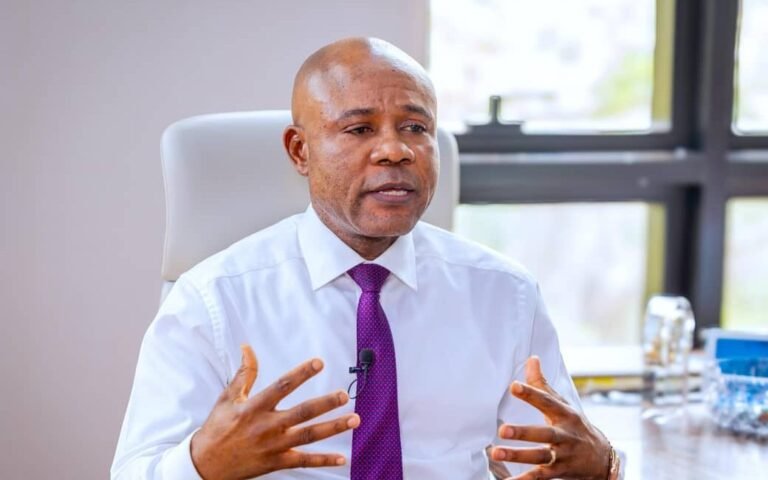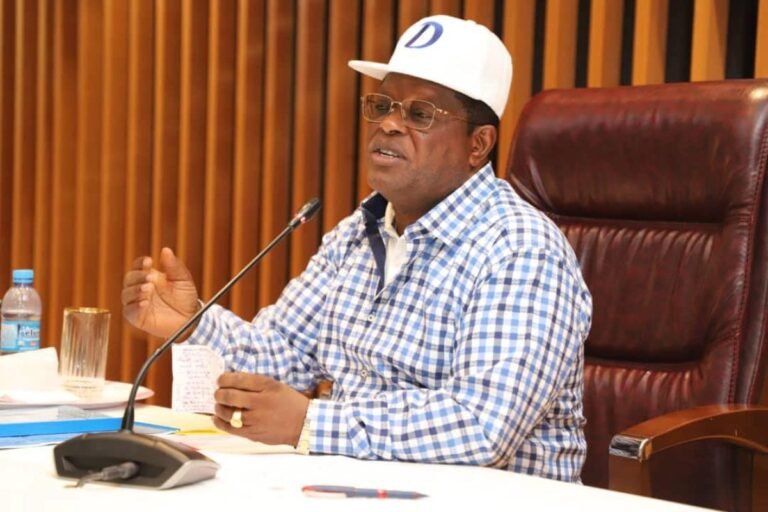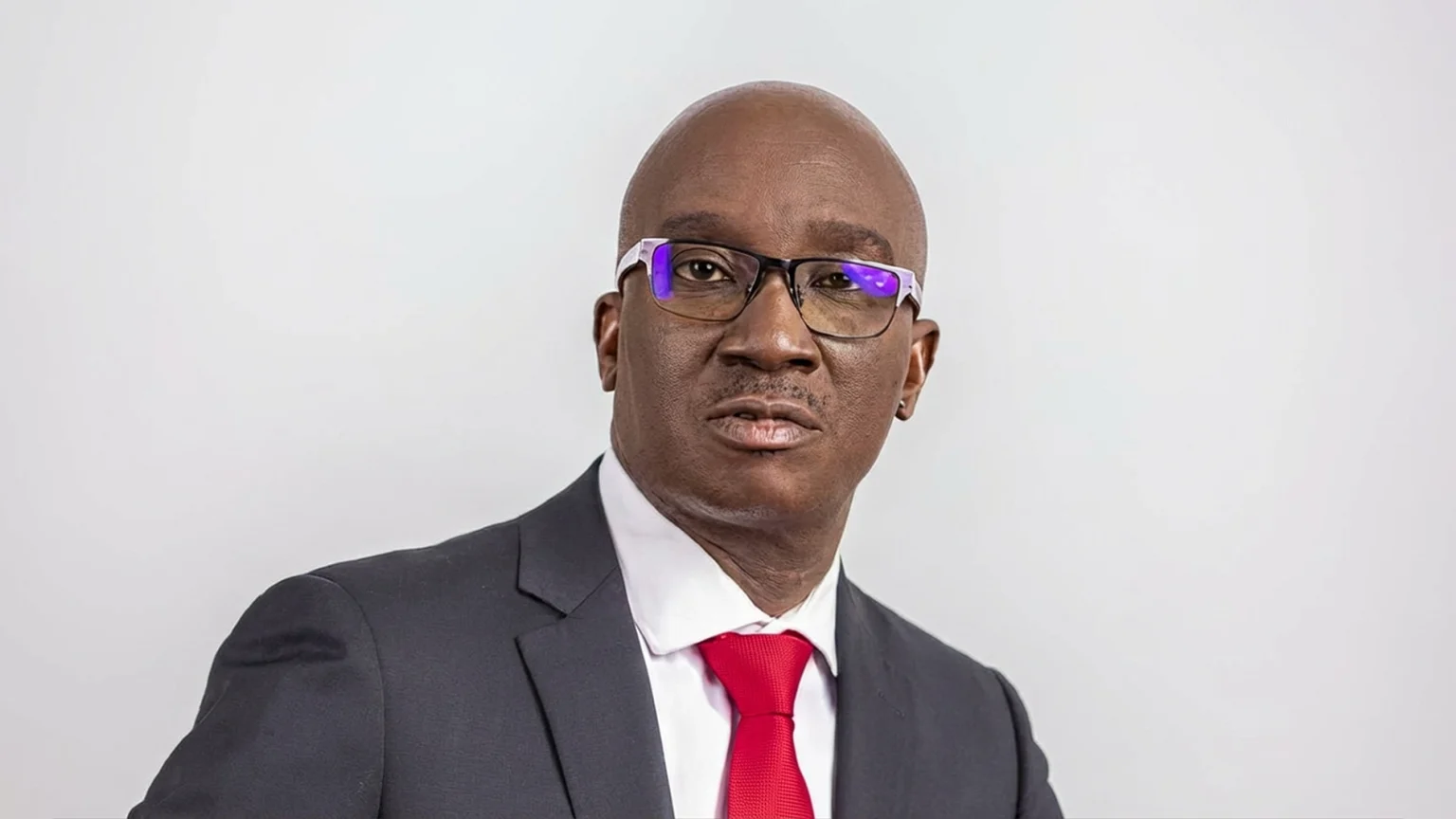
Governor Monday Okpebholo of Edo State has reaffirmed his administration’s commitment to educational development by approving a major support package for the state university under the leadership of Professor Adetimirin.
The intervention includes a financial support package of N2 billion alongside the donation of two Toyota Hiace buses and two Compressed Natural Gas (CNG) buses to strengthen transportation and operational efficiency within the institution.
The development reflects what many observers describe as a shared reform-driven vision between the governor and the university leadership, focused on strengthening educational infrastructure, improving institutional capacity and advancing learning opportunities for students.
According to government officials, the support package forms part of broader efforts by the administration to reposition education as a key pillar of development across the state.
A Shared Vision for Institutional Growth
The phrase “deep calls to the deep” captures the spirit of collaboration and shared ambition behind the intervention.
Supporters of the initiative say Governor Okpebholo’s reform-oriented leadership identified similar qualities in Professor Adetimirin’s vision for institutional growth and academic transformation.
Consequently, the government moved to provide substantial support aimed at strengthening the university’s development agenda.
Educational institutions often require strong partnerships with government and stakeholders to improve infrastructure, transportation, research capacity and student welfare.
The latest intervention therefore represents more than financial assistance. It also signals confidence in the university’s leadership and long-term direction.
Investing in Education as a Development Strategy
Education remains one of the most important drivers of economic and social development.
Universities play critical roles in producing skilled professionals, advancing research, promoting innovation and preparing future leaders.
Governor Okpebholo emphasized that strengthening higher education institutions remains essential for building a competitive and productive society.
The N2 billion intervention is expected to support various institutional priorities, including infrastructure upgrades, academic development and improved operational capacity.
Furthermore, investments in educational institutions can contribute significantly to human capital development, which remains central to long-term economic progress.
The administration continues to stress that sustainable development depends heavily on strengthening educational opportunities for young people.
Improving Transportation and Student Mobility
In addition to financial support, the donation of two Toyota Hiace buses and two CNG buses aims to improve transportation within the university environment.
Efficient transportation systems remain important for students, staff and institutional operations, especially in expanding academic communities.
The inclusion of CNG buses also reflects growing interest in cleaner and more cost-effective transportation alternatives within public institutions.
Compressed Natural Gas technology continues gaining attention in Nigeria as part of broader efforts to reduce transportation costs and encourage energy diversification.
By introducing CNG-powered vehicles into the institution’s operations, the government also signals support for modern and sustainable transportation solutions.
Encouraging Educational Excellence
Observers believe the intervention could strengthen morale within the institution while encouraging improved academic performance and institutional development.
Universities that receive adequate support often become better positioned to expand research, improve learning conditions and attract talent.
Government support also helps institutions address infrastructure gaps and operational challenges that may affect academic delivery and student experience.
The administration maintains that improving educational standards remains necessary for preparing students to compete effectively in an increasingly global and technology-driven economy.
Consequently, investments in higher education continue to receive attention within broader development discussions across the state.
Leadership and Reform-Oriented Governance
The intervention also reflects Governor Okpebholo’s broader governance style, which supporters describe as focused on reform, development and institutional strengthening.
Across many states, educational reform increasingly forms part of wider economic strategies aimed at improving productivity, innovation and youth empowerment.
Political analysts note that strong collaboration between government leaders and educational institutions can produce long-term benefits for both communities and economic development.
The partnership between the state government and the university leadership therefore represents a model of cooperation centered on shared development goals.
Looking Ahead
The support package approved by Governor Monday Okpebholo for the state university under Professor Adetimirin reflects a growing commitment to educational transformation and institutional development in Edo State.
As implementation begins, students, staff and stakeholders will likely expect improvements capable of strengthening academic operations, mobility and institutional growth.
For many observers, the intervention demonstrates the important role government support can play in repositioning educational institutions for greater impact and long-term sustainability.
Ultimately, investments in education remain investments in the future, and initiatives that strengthen learning institutions can contribute significantly to broader social and economic progress.
About The Author