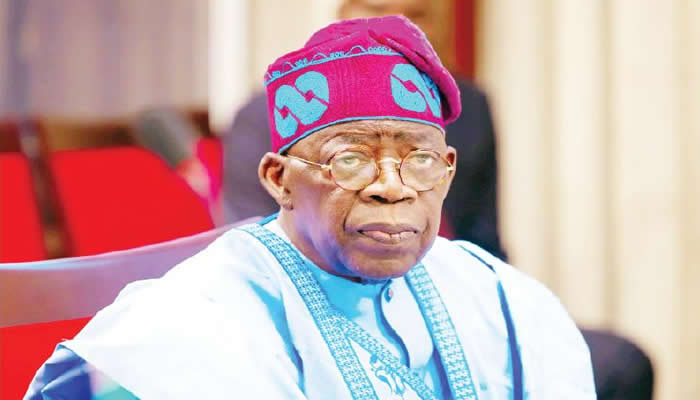
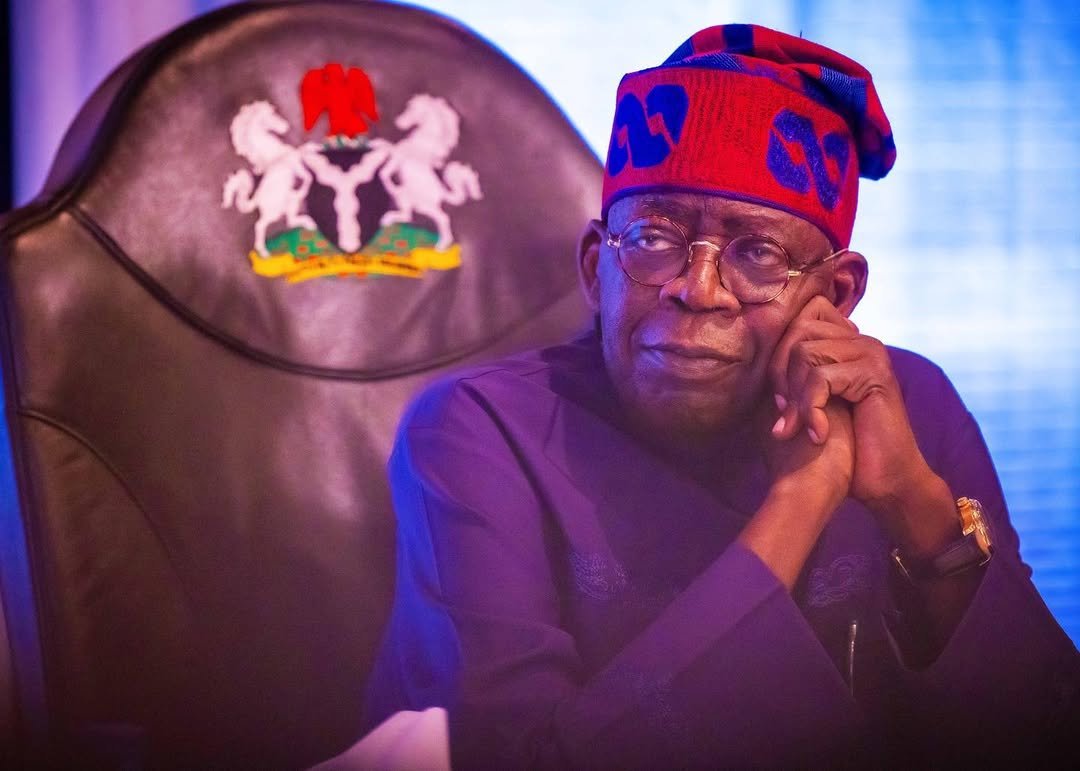
The Presidency has dismissed as entirely false a viral report alleging that President Bola Ahmed Tinubu is planning constitutional amendments to rename Nigeria as the “United States of Nigeria” and abolish Sharia law in the northern part of the country.
According to the Presidency, the claims circulating across social media and various online platforms are fabricated and do not reflect any policy, proposal, or legislative agenda of the Federal Government.
Officials described the report as misinformation designed to mislead the public, create unnecessary tension, and generate confusion regarding the administration’s constitutional and governance priorities.
The rebuttal comes amid growing concerns about the spread of false information online, particularly on issues touching national identity, religion, governance, and constitutional matters.
The Viral Allegations
The report claimed that the administration was preparing far-reaching constitutional amendments that would fundamentally alter key aspects of Nigeria’s political and legal structure.
Among the claims were allegations that the government intended to change the country’s official name to the “United States of Nigeria,” abolish Sharia legal provisions in northern states, and implement several other controversial constitutional reforms.
The report quickly attracted widespread attention due to the sensitive nature of the issues involved.
Questions relating to religion, constitutional arrangements, and national identity often generate strong public reactions because they touch deeply held beliefs and longstanding political discussions.
However, the Presidency insists that the claims have no factual basis.
Why Misinformation Spreads Quickly
False reports frequently gain traction when they involve emotionally charged subjects.
Issues connected to religion, ethnicity, governance, and constitutional reforms often attract significant public interest, making them particularly vulnerable to misinformation campaigns.
The speed of digital communication further amplifies the challenge.
Social media platforms allow information to spread rapidly before verification occurs, enabling unsubstantiated claims to reach large audiences within a short period.
As a result, government agencies and fact-checking organizations increasingly devote resources to identifying and correcting false narratives.
The Presidency’s response reflects these ongoing efforts.
The Importance of Constitutional Accuracy
Constitutional amendments represent serious legal and political processes that require extensive consultations, legislative procedures, and broad public engagement.
Changes affecting fundamental aspects of the Constitution cannot occur through speculation or unofficial reports.
In Nigeria, constitutional amendments typically involve deliberations by the National Assembly, stakeholder consultations, public hearings, and legally prescribed approval procedures.
Consequently, significant constitutional reforms usually emerge through transparent institutional processes rather than undisclosed executive actions.
This reality underscores why official clarification remains important whenever misinformation concerns constitutional matters.
National Identity and Public Sensitivity
Nigeria’s national identity remains an important symbol of unity within a diverse federation comprising multiple ethnic, cultural, and religious communities.
Any suggestion of altering the country’s official name naturally attracts widespread attention and debate.
Similarly, issues involving religious laws often carry significant sensitivity due to their constitutional, cultural, and societal implications.
For this reason, public discourse surrounding such matters requires accuracy, responsibility, and careful verification of information sources.
The Presidency emphasized that no proposal currently exists to implement the changes described in the viral report.
The Challenge of Fake News in the Digital Era
Governments worldwide continue confronting the challenge of misinformation.
Advances in digital technology have improved access to information while simultaneously increasing the speed at which false content can circulate.
Misinformation can undermine public trust, fuel unnecessary anxiety, and distract attention from genuine policy discussions.
Consequently, media literacy and responsible information consumption have become increasingly important.
Citizens are often encouraged to verify claims through credible sources before sharing potentially misleading content.
Fact-checking remains one of the most effective tools for combating false narratives.
The Presidency’s Position
By publicly rejecting the claims, the Presidency sought to reassure citizens and clarify that no such constitutional agenda exists within the administration’s policy framework.
Officials stressed that reports alleging plans to rename the country or abolish Sharia law should be disregarded because they are entirely unfounded.
The clarification also reflects the government’s broader commitment to countering misinformation capable of generating unnecessary political or social tensions.
Maintaining public confidence frequently depends on timely responses to inaccurate reports.
The Need for Responsible Public Discourse
Healthy democratic engagement depends on access to reliable information.
Citizens, political actors, civil society organizations, and media institutions all play important roles in promoting informed discussions based on verifiable facts.
When misinformation dominates public conversations, it becomes more difficult to address genuine policy issues and national priorities.
Responsible communication therefore remains essential for preserving social cohesion and supporting effective governance.
Public debates concerning constitutional reform, national identity, and legal frameworks are important, but such discussions should be grounded in accurate information rather than fabricated claims.
Looking Ahead
The Presidency’s rejection of reports alleging plans by President Bola Ahmed Tinubu to rename Nigeria as the “United States of Nigeria” or abolish Sharia law underscores the importance of verifying information before accepting or sharing it.
As digital platforms continue shaping public discourse, the challenge of distinguishing verified information from misinformation will remain significant.
Ultimately, informed citizenship depends on critical thinking, responsible communication, and reliance on credible sources capable of providing accurate and trustworthy information about national affairs in Nigeria.
About The Author