
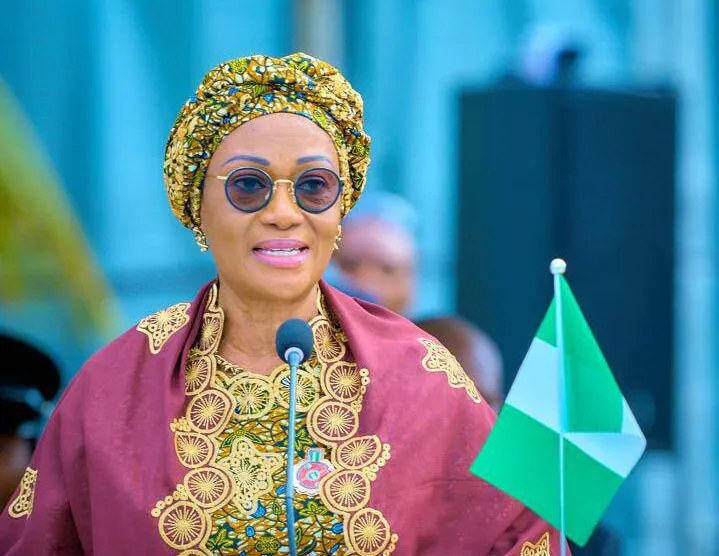
Nigeria’s First Lady, Oluremi Tinubu, has encouraged Nigerian children to dream beyond their present circumstances, urging them to remain hopeful, determined, and committed to building brighter futures despite social or economic challenges.
The First Lady made the call as the government continues intensifying efforts aimed at strengthening child protection, education access, and youth development policies across Nigeria.
Her message reflects growing national conversations surrounding child welfare, quality education, and the importance of creating safer and more supportive environments for children nationwide.
Children remain central to every nation’s future.
Consequently, investments involving education, healthcare, protection, and social development frequently determine long-term national progress and economic stability.
Why Education Remains Critically Important
Education continues serving as one of the strongest pathways toward personal growth and national development.
For millions of children across Nigeria, access to quality education represents an opportunity to overcome poverty, expand opportunities, and contribute meaningfully to society.
Schools do more than provide academic instruction.
They frequently help children develop confidence, leadership skills, discipline, creativity, and social awareness necessary for future success. Therefore, improving educational access remains increasingly important.
However, many children still face serious barriers.
Economic hardship, insecurity, infrastructure limitations, and social inequality continue affecting educational opportunities in different parts of the country.
This reality makes advocacy involving child education especially significant.
The Importance of Dreaming Beyond Present Conditions
The First Lady’s encouragement for children to dream beyond their circumstances carries strong emotional and social meaning.
Many young Nigerians grow up facing financial difficulties, unstable environments, or limited access to opportunities. Consequently, motivational messages emphasizing hope and resilience frequently resonate deeply with families and communities.
Dreams often shape ambition.
Children encouraged to believe in their potential frequently develop stronger confidence and motivation toward education, leadership, entrepreneurship, and innovation.
Positive encouragement can influence long-term outcomes significantly.
Across the world, many successful individuals emerged from difficult backgrounds through perseverance, education, mentorship, and opportunity.
Child Protection Remains a National Priority
Beyond education, child protection continues emerging as an increasingly important national issue.
Children require safe environments capable of supporting healthy physical, emotional, and psychological development. Therefore, governments and stakeholders frequently prioritize policies aimed at protecting children from abuse, exploitation, neglect, and violence.
Protection policies often include multiple areas.
Education safety, healthcare access, nutrition, anti-child labour initiatives, and social welfare programmes frequently form part of broader child development strategies.
Families and communities also play critical roles.
Strong family structures, community support systems, and responsible institutions frequently contribute positively to child wellbeing and long-term stability.
Why Youth Development Matters for Nigeria’s Future
Nigeria possesses one of the youngest populations globally.
Millions of children and young people continue shaping the country’s future economic, political, technological, and social landscape. Consequently, youth development remains critically important for long-term national progress.
Countries investing heavily in children frequently experience stronger human capital development over time.
Education, innovation, healthcare, and youth empowerment often influence economic productivity and global competitiveness significantly.
Nigeria’s growing digital economy also creates new possibilities.
Technology, entrepreneurship, and innovation sectors increasingly offer opportunities for younger generations capable of accessing proper education and support systems.
Challenges Facing Nigerian Children
Despite growing awareness surrounding child welfare, many children across Nigeria continue confronting serious challenges.
Poverty, insecurity, displacement, child labour, limited school infrastructure, and healthcare access gaps frequently affect millions of families nationwide.
In some communities, children still struggle with educational interruptions caused by insecurity or economic hardship.
Girls in particular often face additional barriers involving early marriage, gender inequality, and reduced educational access in certain areas.
These realities continue driving conversations around stronger child-focused policies and interventions.
The Role of Government Policies
Government policies remain essential for improving child welfare and educational outcomes.
Investments involving school infrastructure, teacher development, digital learning systems, healthcare services, and social protection programmes frequently strengthen opportunities for children.
The Tinubu administration continues emphasizing education, youth development, and social investment within broader governance priorities.
Public expectations remain high regarding the implementation of practical reforms capable of improving living conditions and educational opportunities nationwide.
Partnerships with development organizations, private institutions, and community stakeholders also remain increasingly important.
Why Inspiration Matters for Young People
Beyond policies and infrastructure, emotional encouragement remains deeply important for children.
Positive role models and inspirational messages frequently help young people develop confidence and long-term aspirations.
Children exposed to hope-driven messages often approach challenges differently.
Belief in possibility can influence academic performance, career ambition, and resilience during difficult periods.
Public leaders therefore frequently use their platforms to encourage younger generations toward education, discipline, and positive values.
The First Lady’s message aligns with this broader tradition of youth encouragement.
Families and Communities Share Responsibility
While government support remains important, families and communities also play central roles within child development.
Parents, teachers, religious leaders, and mentors frequently shape children’s values, confidence, and aspirations during formative years.
Supportive environments matter enormously.
Children encouraged emotionally and academically often develop stronger resilience and healthier long-term outcomes.
Community-based support systems therefore remain critically important alongside national policies.
The Bigger Conversation Around Nigeria’s Future
Conversations involving children frequently reflect broader discussions about Nigeria’s future itself.
A nation’s long-term strength often depends heavily on the quality of opportunities available to younger generations today.
Education, protection, healthcare, and mentorship remain foundational pillars within this process.
Countries capable of nurturing children effectively frequently experience stronger innovation, productivity, and social stability over time.
Nigeria’s future workforce, entrepreneurs, scientists, educators, and leaders are currently growing within homes and classrooms nationwide.
Looking Ahead
The message by Oluremi Tinubu encouraging Nigerian children to dream beyond their circumstances reflects growing national focus on education, child protection, and youth empowerment.
As government policies and social development efforts continue evolving, many families and communities hope for stronger opportunities capable of improving the lives of children across Nigeria.
Ultimately, empowering children with education, protection, confidence, and hope may remain one of the most important investments Nigeria can make toward building a stronger and more prosperous future.
About The Author