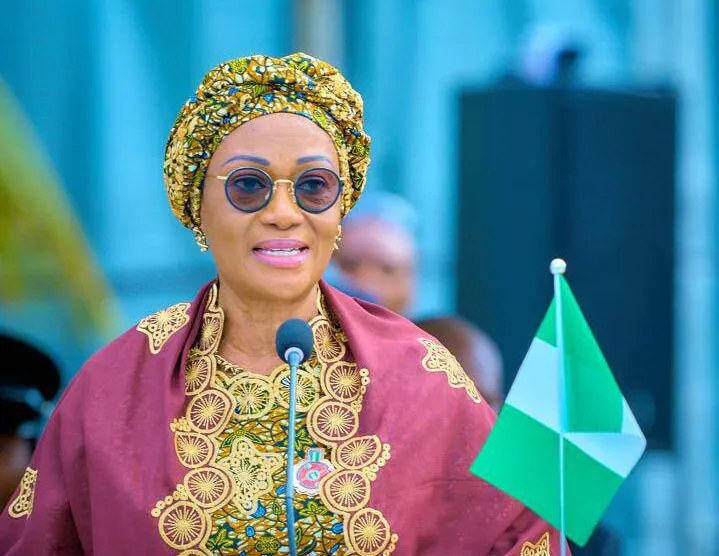
Nigeria’s First Lady, Senator Oluremi Tinubu, has called for closer collaboration between Nigeria and the Kingdom of Saudi Arabia to support ongoing efforts aimed at reforming the country’s Almajiri education system, expanding access to quality formal education, and improving the welfare and future prospects of millions of Nigerian children.
The First Lady emphasised that every child deserves the opportunity to receive quality education regardless of social or economic background, noting that stronger international partnerships can accelerate reforms designed to provide more inclusive, modern, and sustainable educational opportunities.
Furthermore, Senator Tinubu explained that improving educational access remains one of the most effective ways to reduce poverty, strengthen communities, promote national unity, and prepare young Nigerians to contribute meaningfully to the country’s future development.
According to the First Lady, collaboration between Nigeria and Saudi Arabia offers valuable opportunities to exchange knowledge, strengthen educational programmes, support institutional reforms, and encourage investments capable of improving learning outcomes for vulnerable children.
Her remarks reinforce the Federal Government’s broader commitment to expanding educational opportunities while ensuring that every Nigerian child receives the knowledge, skills, and support necessary for lifelong success.
Education Remains the Foundation of National Development
Senator Oluremi Tinubu stressed that education remains one of the strongest drivers of national progress.
Furthermore, investing in children today strengthens the country’s workforce, economy, and leadership capacity for future generations.
Education transforms lives.
According to the First Lady, every child equipped with knowledge possesses greater opportunities to contribute positively to society.
Learning builds brighter futures.
Reforming the Almajiri Education System
The First Lady explained that ongoing reforms seek to improve educational opportunities for children currently within the Almajiri system.
Furthermore, integrating broader educational opportunities enables children to develop academic, vocational, social, and life skills necessary for future success.
Reform encourages inclusion.
She emphasised that strengthening educational structures remains essential for ensuring that every child receives comprehensive learning opportunities.
Every child deserves education.
Partnership with Saudi Arabia
Senator Tinubu called for stronger collaboration with the Kingdom of Saudi Arabia.
Furthermore, international partnerships create opportunities for exchanging expertise, strengthening institutions, supporting educational reforms, and encouraging capacity development.
Partnerships accelerate progress.
She noted that shared commitment to education can produce long-term benefits for both countries while improving opportunities for Nigerian children.
Cooperation creates stronger outcomes.
Expanding Access to Formal Education
The First Lady reaffirmed that expanding formal education remains a major national priority.
Furthermore, broader educational access contributes significantly to social inclusion while reducing inequalities that limit children’s future opportunities.
Access promotes equality.
According to her, quality education empowers children with the confidence and knowledge necessary to build productive lives.
Opportunity changes destinies.
Supporting Child Welfare
Educational reform also contributes directly to improving child welfare.
Furthermore, children benefit most when education is accompanied by safe learning environments, healthcare, emotional support, proper nutrition, and community engagement.
Healthy children learn better.
Senator Tinubu stressed that protecting children’s wellbeing remains inseparable from improving educational outcomes.
Care strengthens learning.
Investing in Future Generations
The First Lady described investment in children as an investment in Nigeria’s future.
Furthermore, developing human capital strengthens national productivity while encouraging innovation, entrepreneurship, and responsible citizenship.
Young people represent tomorrow.
According to her, preparing future generations begins with ensuring that every child has access to quality education.
Knowledge strengthens nations.
Building Stronger Communities
Education contributes not only to individual success but also to stronger communities.
Furthermore, educated citizens participate more actively in economic development, civic engagement, peaceful coexistence, and national progress.
Communities thrive through education.
The First Lady encouraged continued collaboration among government institutions, development partners, religious leaders, educators, and families.
Shared responsibility promotes progress.
International Cooperation Supports Development
Senator Tinubu emphasised that global cooperation strengthens national development efforts.
Furthermore, partnerships with friendly nations encourage knowledge exchange while expanding access to educational resources, technology, research, and institutional support.
International cooperation benefits everyone.
Such collaboration also promotes mutual understanding while strengthening diplomatic relationships.
Shared knowledge creates progress.
Hope for Nigerian Children
The First Lady expressed optimism regarding the future of Nigerian children.
Furthermore, she maintained that sustained reforms, stronger partnerships, and continued investment in education will significantly improve opportunities for millions of young Nigerians.
Hope inspires action.
She encouraged stakeholders to remain committed to ensuring that every child enjoys equal opportunities to learn, grow, and succeed.
Education opens doors.
Looking Ahead
Senator Oluremi Tinubu’s call for closer collaboration between Nigeria and the Kingdom of Saudi Arabia reflects the growing recognition that strong international partnerships can play important roles in strengthening educational reforms while expanding opportunities for vulnerable children.
Furthermore, her commitment to reforming the Almajiri education system, improving child welfare, expanding access to formal education, and investing in future generations aligns with broader national efforts aimed at building a stronger, more inclusive educational system capable of supporting sustainable national development.
As Nigeria continues implementing educational reforms alongside international partners, many stakeholders remain hopeful that sustained collaboration, strategic investment, stronger institutions, and community participation will significantly improve learning outcomes while empowering millions of Nigerian children with the knowledge, skills, confidence, and opportunities needed to contribute meaningfully to national progress and long-term prosperity.
About The Author