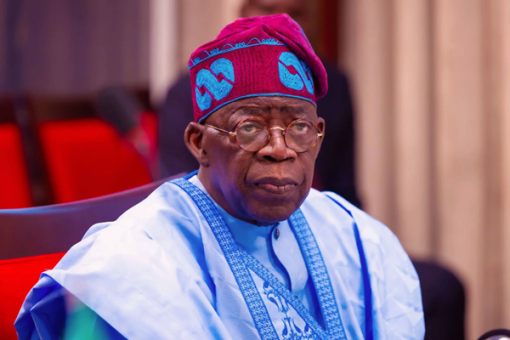

President Bola Ahmed Tinubu has sought the approval of the Senate for a proposed $7.7 billion external borrowing plan, highlighting the Federal Government’s continued reliance on international financing to support its economic and development objectives.
The request comes amid ongoing discussions about Nigeria’s fiscal position, public debt obligations and the need to mobilise resources for critical projects and government programmes.
External borrowing remains one of the financing options available to governments seeking additional funds beyond domestic revenue and other sources of public financing. However, every major borrowing decision also raises questions about debt sustainability, repayment obligations and the economic benefits expected from the funds.
The Senate’s consideration of the request will therefore be important in determining the next stage of the proposed borrowing process.
External Financing and Nigeria’s Development Priorities
Governments often turn to external financing when available revenue cannot fully meet their spending requirements or when they seek additional resources for major development projects.
For Nigeria, financing needs cut across infrastructure, transportation, energy, healthcare, education and other areas that require substantial investment.
Inadequate infrastructure can increase the cost of doing business, restrict productivity and limit economic opportunities. Consequently, investment in roads, power, public services and other essential facilities remains important to improving the country’s economic capacity.
External loans can provide governments with access to funding for projects that might otherwise face delays because of limited budgetary resources.
However, the economic value of borrowing depends largely on how the funds are deployed. Loans directed towards productive projects with measurable benefits may support economic growth and strengthen the government’s capacity to generate future revenue.
Conversely, borrowing without clear priorities, effective project execution and proper accountability can increase public debt without delivering corresponding economic improvements.
Senate Approval and Legislative Oversight
The request for Senate approval places the National Assembly within an important part of the country’s borrowing process.
Legislative scrutiny provides an opportunity to examine the proposed financing arrangement, including its purpose, terms, repayment obligations and expected economic benefits.
Senators can consider whether the proposed borrowing aligns with national development priorities and whether the government has presented sufficient information to justify the additional debt.
Such scrutiny is particularly important because external borrowing creates obligations that extend beyond the administration that secures the funds.
Future governments and taxpayers may continue to bear the cost of servicing and repaying loans, making transparency and responsible financial management essential.
The legislative process also provides an opportunity to seek clarification on the proposed allocation of funds and the mechanisms that will ensure that approved financing reaches its intended projects.
Nigeria’s Growing Debt Management Challenge
Nigeria’s borrowing decisions have attracted increasing attention as the government balances development spending with the cost of servicing existing debt.
Debt servicing takes up public revenue that could otherwise support infrastructure, healthcare, education, security and other essential services.
As a result, the sustainability of public borrowing cannot be assessed only by examining the amount of money a government seeks to raise. It must also consider the country’s revenue capacity, repayment schedule, borrowing costs and the expected returns from financed projects.
For an economy seeking to expand investment and improve living standards, borrowing can provide useful financial support. Nevertheless, the government must ensure that new obligations do not place excessive pressure on future budgets.
Strengthening revenue generation, improving tax administration, reducing waste and increasing the productivity of public spending can help create a more sustainable fiscal environment.
The Importance of Transparency in Borrowed Funds
Beyond securing legislative approval, the management of borrowed funds will determine whether the proposed financing delivers meaningful results.
Nigerians need clear information about the projects or programmes that will receive the funds, the institutions responsible for implementation and the expected outcomes.
Transparent procurement processes and regular reporting can help reduce the risk of mismanagement while improving public confidence in government borrowing decisions.
Furthermore, project monitoring should focus on measurable results rather than simply the amount of money released or spent.
For infrastructure projects, for example, assessments should consider completion, quality, functionality and the benefits delivered to communities and businesses.
Effective accountability also requires institutions responsible for financial oversight to monitor implementation and identify problems early enough for corrective action.
Balancing Development Needs with Debt Sustainability
Nigeria faces significant development demands, and addressing them requires substantial financial resources. However, the government must balance the urgency of investment with the long-term implications of additional borrowing.
External financing can support development when it funds projects that improve productivity, expand economic opportunities and strengthen revenue-generating capacity.
At the same time, borrowing must remain consistent with a credible debt management strategy that considers repayment obligations and the country’s ability to meet them.
The exchange-rate implications of foreign-currency borrowing also deserve attention. Where government revenue is largely collected in naira, changes in the exchange rate can affect the domestic cost of servicing dollar-denominated obligations.
This makes careful assessment of loan terms, repayment periods and currency-related risks particularly important.
What Happens Next?
The Senate’s consideration of President Tinubu’s $7.7 billion borrowing request will be an important step in the proposed financing process.
Lawmakers will have an opportunity to examine the request and assess its implications for public finances and national development.
Ultimately, the central issue is not simply whether Nigeria should borrow, but whether additional borrowing can deliver sufficient economic and social benefits to justify the obligations it creates.
For the Tinubu administration, the challenge will be to demonstrate that any approved financing supports clearly defined priorities, strengthens the economy and delivers measurable value to Nigerians.
As the country continues to navigate its development and fiscal challenges, responsible borrowing, transparent implementation and stronger revenue generation will remain essential to maintaining public confidence and protecting long-term economic stability.
About The Author