Seyi Tinubu, son of President Bola Ahmed Tinubu, has criticised businessman and social commentator Isaac Fayose for mocking the Port Harcourt City Boy walk, insisting that young Nigerians have the right to organise peaceful gatherings in support of the President.
Seyi reacted after Fayose questioned the purpose and significance of the political mobilisation exercise, describing it as a waste of time and mocking the crowd that participated in the event.
In a post on his Instagram account on Sunday, November 8, Seyi told the businessman to “behave yourself”, accusing him of using the President’s name to attract attention.
He defended the gathering as a peaceful expression of support by young Nigerians who believe in the Tinubu administration and want to demonstrate their political convictions.
According to him, participants had the freedom to walk, sing and publicly express their support without being subjected to insults or unnecessary criticism.
Seyi Defends City Boy Movement’s Port Harcourt Walk
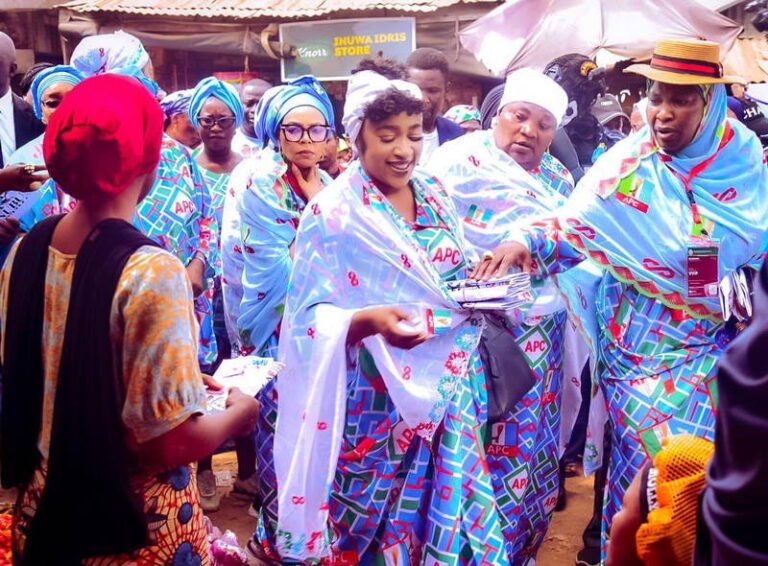
Seyi maintained that the Port Harcourt City Boy walk was organised by young people who voluntarily came together to show their support for President Tinubu.
He argued that people should respect the decision of Nigerians who choose to participate in political activities, even when others disagree with their views.
He further suggested that those who had no interest in the gathering could simply stay away rather than attempt to discourage or ridicule its participants.
His response followed Fayose’s earlier comments questioning the value of the walk and the number of people who turned out for the exercise.
The disagreement has drawn attention to the growing political activities of the City Boy Movement, which has been mobilising young supporters ahead of the 2027 general election.
Isaac Fayose Mocks Port Harcourt Mobilisation
Isaac Fayose, younger brother of former Ekiti State Governor Ayodele Fayose, had criticised the Port Harcourt gathering, questioning what the participants hoped to achieve through the exercise.
The businessman also expressed doubts about the significance of the crowd and suggested that the walk was an unnecessary political activity.
His remarks attracted a response from Seyi, who rejected the criticism and insisted that the participants should be allowed to express their support for the President without being attacked.
The exchange has brought two different perspectives on political mobilisation into public discussion: while supporters of the City Boy Movement consider the walk a legitimate expression of political support, critics have questioned its purpose and practical value.
City Boy Movement Intensifies Youth Mobilisation Ahead of 2027
The Port Harcourt walk forms part of the broader activities of the City Boy Movement, a youth-focused political mobilisation group associated with Seyi Tinubu.
The movement has been organising engagements and grassroots activities to encourage support for President Tinubu’s administration and his anticipated 2027 re-election campaign.
Its activities have attracted attention in different parts of the country, particularly as political groups begin strengthening their structures ahead of the next general election.
President Tinubu has previously acknowledged his son’s involvement in the movement, praising his efforts to engage young Nigerians and build support networks across communities.
At an earlier gathering with the group in Abuja, the President described its members as important partners in communicating his administration’s policies and mobilising grassroots support.
He also encouraged the movement to strengthen its engagement with young people by establishing structures capable of listening to their concerns and communicating government policies.
Political Expression and Public Criticism
The disagreement between Seyi and Fayose also highlights the increasingly visible role of social media in Nigeria’s political conversations.
Political supporters and critics now use online platforms to promote campaigns, question public activities and challenge the positions of individuals associated with political movements.
While peaceful political gatherings provide citizens with an opportunity to express their preferences, public criticism remains part of democratic participation.
The debate surrounding the Port Harcourt walk therefore reflects the different ways Nigerians assess political mobilisation, particularly when such activities are connected to an administration seeking another electoral mandate.
For supporters, the gathering represents an opportunity to demonstrate loyalty and encourage youth participation. For critics, questions about its purpose, scale and wider significance remain legitimate subjects of public discussion.
Seyi’s response, however, makes clear that he considers the criticism of the Port Harcourt exercise an attack on the right of young Nigerians to express their political support.
As the 2027 election approaches, further exchanges between political supporters and critics are likely to keep youth mobilisation, campaign activities and public accountability at the centre of Nigeria’s political conversations.
About The Author