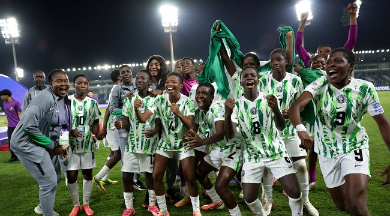
The triumph, secured on Saturday, November 7, made Nigeria the first African country to win the FIFA U-17 Women’s World Cup, marking a significant milestone for Nigerian football and the wider development of women’s football on the continent.
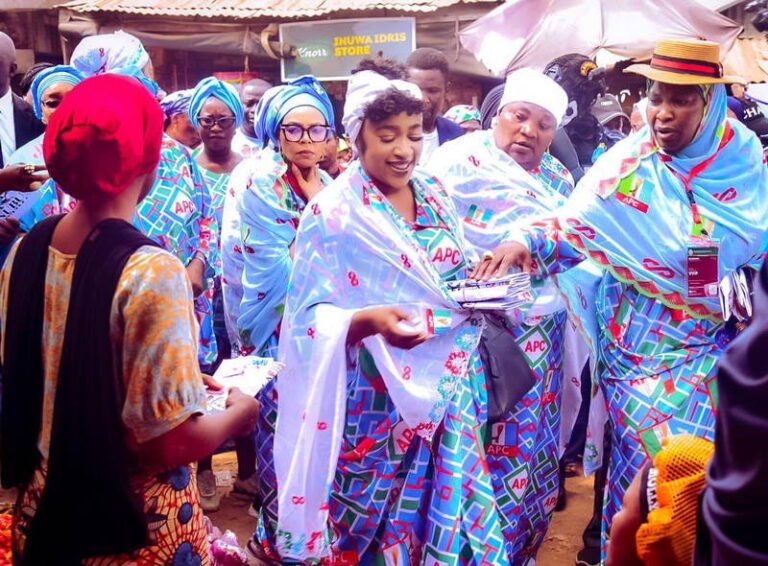
President Tinubu described the victory as a moment of national pride and a landmark achievement for African women’s football. He received the news upon returning from campaign engagements in Akwa Ibom and Rivers states.
In a congratulatory message issued by his Special Adviser on Information and Strategy, Bayo Onanuga, the President praised the players for their courage, discipline, determination and teamwork, noting that they had fulfilled their promise to bring the trophy home after reaching the semi-finals.
Tinubu Praises Flamingos’ Determination
Tinubu said the team’s performance had given Nigerians at home and abroad another reason to celebrate, describing the young players as worthy ambassadors of the country.
He commended the squad for believing in their abilities, supporting one another and maintaining their determination throughout the competition.
The President also highlighted the significance of the achievement for young Nigerian girls who aspire to pursue careers in sports. According to him, the victory demonstrates that hard work, opportunity and determination can help young people reach the highest levels of international competition.
He said the players had written their names in Nigeria’s sporting history and earned the pride and admiration of the nation.
Tinubu’s message followed his earlier congratulatory statement after the Flamingos defeated Brazil 3–1 in the semi-final to secure their first-ever appearance in the tournament’s final.
Bashiru and Umejiaku Secure Historic Victory
The President particularly applauded Awawu Bashiru and Oluebube Umejiaku, whose goals secured Nigeria’s 2–1 victory over Japan.
Bashiru opened the scoring in the 39th minute, giving the Flamingos an important advantage before the break. Umejiaku then doubled Nigeria’s lead shortly after the restart, putting the team in a strong position to claim the championship.
Japan responded through Fuki Ito, who reduced the deficit in the 80th minute and set up a tense closing period. However, the Nigerian players maintained their defensive discipline and held on to their advantage until the final whistle.
The victory capped an impressive campaign for the Flamingos, who recovered from an opening defeat to Poland before progressing through the knockout stages and overcoming several formidable opponents.
Their semi-final victory over Brazil had already attracted considerable attention, but defeating Japan in the final confirmed Nigeria’s place at the top of the competition.
First African Winners of the Competition
The Flamingos’ triumph represents a historic breakthrough for African women’s football. Since the introduction of the FIFA U-17 Women’s World Cup in 2008, no African team had previously won the tournament.
Nigeria’s achievement therefore extends beyond the national team, providing a significant moment for the continent’s youth football development and demonstrating the potential of African players to compete successfully at the highest international level.
The victory also adds to Nigeria’s record in youth football, as the country has previously won the FIFA U-17 Men’s World Cup. Winning the women’s competition means Nigeria has now claimed both titles, a distinction that strengthens its history in international youth football.
For the Flamingos, the achievement is the culmination of months of preparation, collective effort and determination. It also provides an important platform for the players as they continue developing their careers and pursuing opportunities in the sport.
President Commends Coaches and Football Authorities
Beyond recognising the players, Tinubu congratulated the coaching crew, the Nigeria Football Federation (NFF) and the National Sports Commission for their contributions to the team’s success.
The President acknowledged the importance of the technical and administrative support behind the campaign, as well as the collective effort required to prepare a national team for a major international competition.
He also reaffirmed his administration’s commitment to investing in grassroots sports development and expanding opportunities for young Nigerians, particularly girls, to discover, develop and fulfil their potential.
Such investment, when supported by effective coaching, facilities, competitions and sustained talent development, can help create stronger pathways for young athletes to progress from grassroots participation to international competition.
Flamingos’ Victory Raises Expectations for Women’s Football
The historic victory has renewed attention on the opportunities and challenges facing women’s football in Nigeria. While the Flamingos’ success demonstrates the country’s available talent, sustaining that progress will require continued investment in youth development, coaching, infrastructure and competitive opportunities.
The players’ achievement also offers encouragement to young girls who may consider professional sports an attainable career path. Their success shows that Nigerian women can compete for major international honours and inspire the next generation through their performances.
As celebrations continue, the challenge will be to build on the achievement and ensure that the players and future generations receive the support needed to develop their abilities.
Tinubu’s congratulatory message captures the national significance of the occasion, but the Flamingos’ 2–1 victory over Japan remains the central achievement: Nigeria has secured its first FIFA U-17 Women’s World Cup title and become the first African nation to lift the trophy.
The President concluded his message by congratulating the team once again and thanking the players for making Nigeria proud.
About The Author