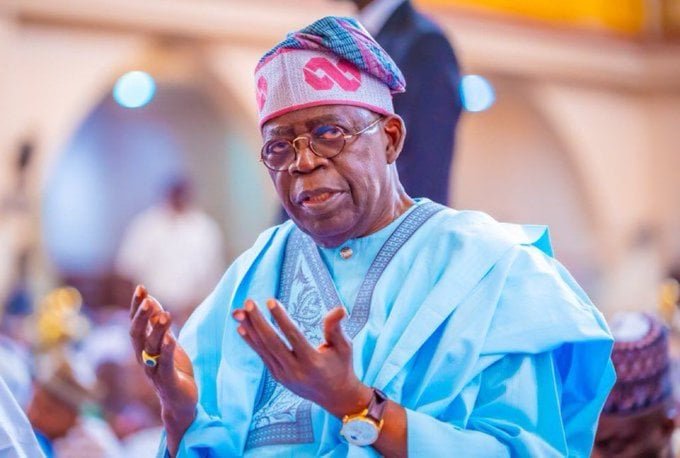
President Bola Ahmed Tinubu has disagreed with former President Olusegun Obasanjo over claims that Nigeria’s state-owned refineries in Port Harcourt, Warri and Kaduna may never become fully operational.
The disagreement highlights contrasting views about the future of Nigeria’s public refining assets and the government’s efforts to rebuild domestic refining capacity.
Tinubu Maintains Optimism
President Tinubu has expressed confidence that the refineries can still play a role in Nigeria’s petroleum industry.
Furthermore, the administration has continued to emphasise domestic refining as an important part of its strategy for improving energy security.
Functional refineries can increase local supply.
Domestic processing can retain economic value.
Greater refining capacity can reduce import dependence.
Obasanjo Raises Concerns
Former President Olusegun Obasanjo has previously expressed doubts about the ability of Nigeria’s government-owned refineries to operate successfully.
His position reflects longstanding concerns about refinery rehabilitation, operational efficiency, maintenance, management, and the cost of keeping ageing facilities functional.
These concerns have shaped Nigeria’s long-running debate over public refinery management.
Why the Refineries Matter
Nigeria has significant crude oil resources.
However, the country has historically depended heavily on imported refined petroleum products.
Furthermore, restoring major state-owned refineries could help strengthen domestic refining capacity if the facilities achieve sustainable commercial operations.
Local refining supports energy security.
Domestic production can reduce import pressure.
Refineries can support industrial activity.
Port Harcourt and Warri Refineries
The Port Harcourt and Warri refineries remain important components of Nigeria’s refining infrastructure.
Furthermore, their rehabilitation and eventual operations have attracted significant public attention because of their potential contribution to domestic petroleum supply.
Successful rehabilitation could increase refining capacity.
Efficient operations could strengthen supply stability.
Reliable production could support consumers and businesses.
Kaduna Refinery and Northern Supply
The Kaduna refinery also holds strategic importance because of its location.
Furthermore, a functional facility could support petroleum product supply in northern Nigeria while reducing some of the logistical challenges associated with transporting products over long distances.
Local supply can reduce transport pressures.
Regional refining can strengthen distribution.
Improved logistics can support energy security.
The Bigger Challenge
The disagreement between Tinubu and Obasanjo goes beyond whether the refineries can restart.
The larger question concerns whether they can operate efficiently, consistently, and commercially after rehabilitation.
Restarting a refinery is one challenge.
Maintaining production is another.
Achieving sustainable profitability remains critical.
Nigeria’s Refining Future
The debate comes as Nigeria’s refining landscape continues to change.
Furthermore, the growth of private refining capacity has increased attention on the role of both public and private operators in meeting domestic demand.
Competition can encourage efficiency.
Private investment can expand capacity.
Public assets can complement domestic production.
Looking Ahead
Tinubu’s disagreement with Obasanjo reflects two different assessments of Nigeria’s public refining prospects.
While Obasanjo has questioned whether the state-owned refineries can ultimately work, Tinubu remains confident in their potential.
The eventual outcome will depend on rehabilitation quality, technical performance, financing, management, maintenance, crude supply, and commercial sustainability.
Ultimately, Nigeria’s refinery debate will be settled less by predictions and more by whether the Port Harcourt, Warri, and Kaduna facilities can achieve reliable, sustained, and economically viable production.
About The Author