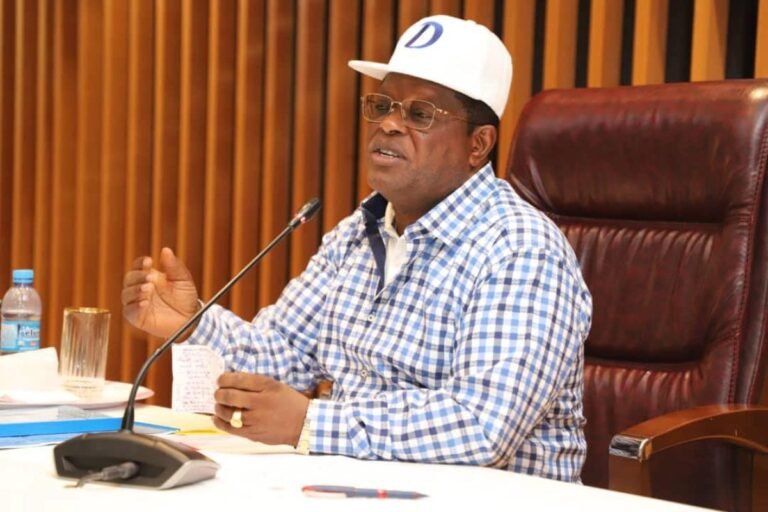
President Bola Ahmed Tinubu has received the Director-General of the Nigerian Maritime Administration and Safety Agency (NIMASA), Dr. Dayo Mobereola, at the State House in Abuja for discussions on the development of Nigeria’s maritime sector.
The engagement highlights the administration’s continued attention to the maritime industry as Nigeria seeks to maximise its coastal resources, strengthen shipping activities, improve maritime security, and unlock greater opportunities within the Blue Economy.
Tinubu Receives NIMASA Leadership
Dr. Dayo Mobereola’s visit to the State House provides an opportunity for NIMASA leadership to brief the President on important issues affecting Nigeria’s maritime industry.
Furthermore, direct engagement between the Presidency and maritime regulators can strengthen coordination around national maritime priorities.
The sector plays an important role in Nigeria’s economy.
It supports international trade.
It facilitates movement of goods.
It creates employment.
It also provides opportunities for investment across multiple industries.
Maritime Sector Holds Major Economic Potential
Nigeria possesses significant maritime resources that could contribute more substantially to national development.
Furthermore, the country’s coastline, ports, inland waterways, shipping routes, offshore activities, and marine resources provide opportunities for economic expansion.
A stronger maritime industry can support trade.
It can improve logistics.
It can attract investment.
It can also generate employment for skilled and unskilled workers.
Blue Economy Remains an Important Opportunity
The meeting also comes as Nigeria continues to explore the potential of its Blue Economy.
Furthermore, the Blue Economy extends beyond conventional shipping and includes fisheries, aquaculture, marine tourism, offshore services, maritime logistics, shipbuilding, and other marine-related activities.
Developing these sectors can diversify Nigeria’s economic base.
It can also create new opportunities for entrepreneurs and investors.
Strengthening Maritime Security
Maritime security remains essential to the success of Nigeria’s maritime economy.
Furthermore, criminal activities within Nigerian waters can increase operating costs and discourage investment.
A secure maritime environment can support shipping.
It can protect commercial activities.
It can also strengthen confidence among international operators.
NIMASA therefore continues to have an important role within Nigeria’s wider maritime security framework.
Improving Shipping Efficiency
Efficient shipping operations can strengthen Nigeria’s position in international trade.
Furthermore, delays, administrative challenges, infrastructure limitations, and inefficient processes can increase costs for businesses.
Modern systems can improve cargo movement.
Digital documentation can reduce administrative delays.
Improved port coordination can also make maritime operations more efficient.
Ports Remain Critical
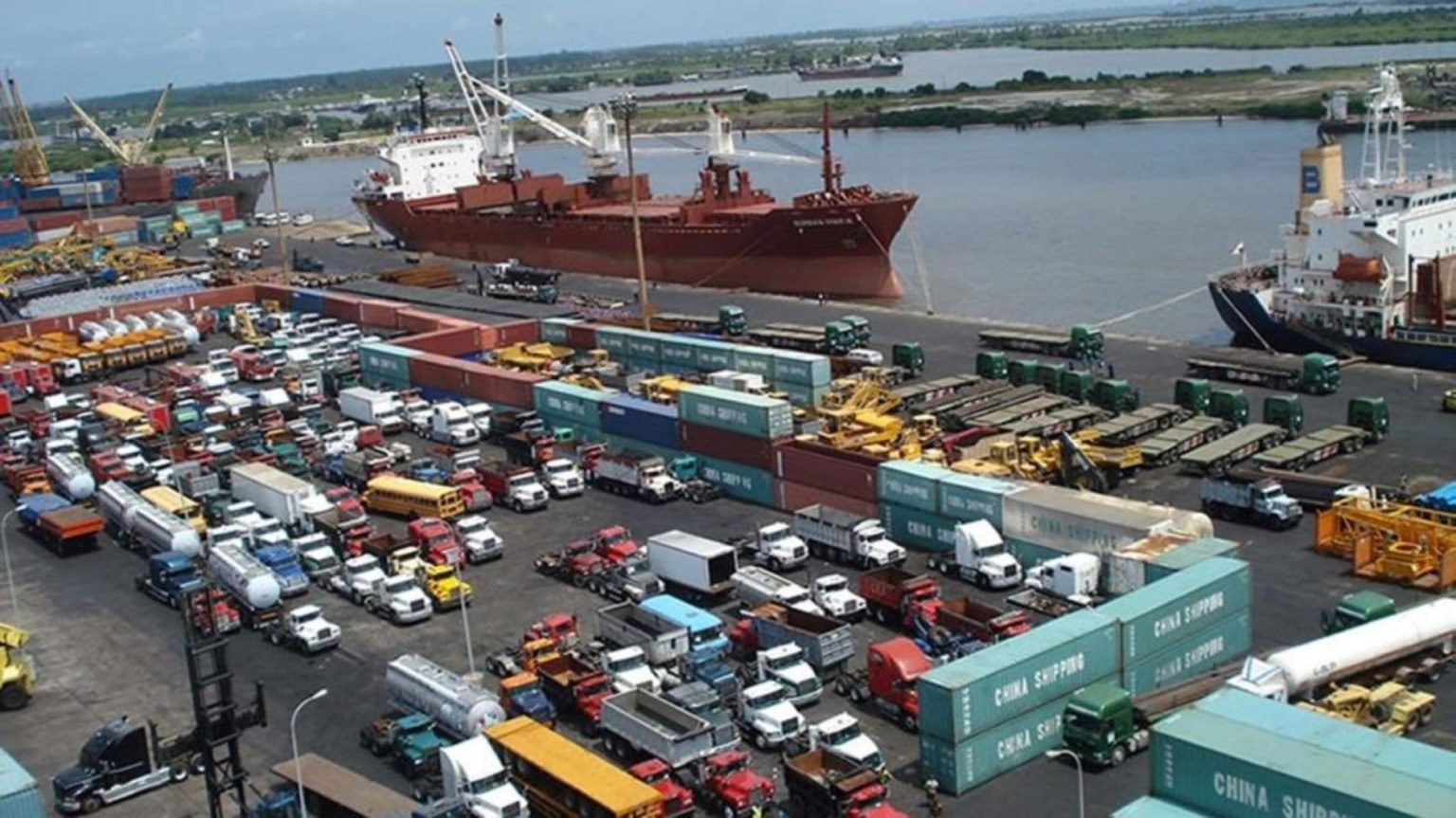
Nigeria’s ports serve as major gateways for international commerce.
Furthermore, efficient ports can reduce logistics costs and improve the competitiveness of Nigerian businesses.
Investment in port infrastructure can increase capacity.
Modern equipment can improve cargo handling.
Better connectivity can strengthen links between ports and industrial centres.
These improvements can support broader economic growth.
Developing Human Capital
A modern maritime sector requires a highly skilled workforce.
Furthermore, Nigeria needs trained seafarers, marine engineers, naval architects, port professionals, logistics specialists, safety experts, and maritime administrators.
Investment in maritime education can strengthen local capacity.
Professional training can also create employment opportunities for young Nigerians.
Local Content Can Increase Economic Benefits
Maritime development can create opportunities for Nigerian businesses to participate more actively in industry value chains.
Furthermore, local companies can provide engineering services, vessel maintenance, logistics, technology, consultancy, equipment, and other services.
Greater local participation can keep more economic value within Nigeria.
It can also strengthen domestic technical expertise.
Technology Can Transform the Industry
Technology will remain central to modern maritime development.
Furthermore, digital platforms can improve vessel tracking, port management, cargo handling, maritime surveillance, documentation, and regulatory oversight.
Data-driven systems can improve decision-making.
Automation can increase efficiency.
Digital monitoring can also strengthen maritime safety and security.
Environmental Protection Matters
Maritime development must also remain environmentally responsible.
Furthermore, shipping, offshore activities, fisheries, and other marine industries can affect coastal ecosystems when poorly managed.
Strong environmental standards can reduce pollution.
Sustainable practices can protect marine resources.
Effective monitoring can help balance economic development with environmental protection.
Investment Opportunities Remain Significant
Nigeria’s maritime industry offers substantial opportunities for private-sector investment.
Furthermore, investors can participate in shipping, logistics, port services, vessel construction, vessel repair, marine technology, offshore services, aquaculture, and maritime tourism.
Government policies can help create a more predictable investment environment.
Efficient regulation can also encourage greater private-sector participation.
NIMASA’s Regulatory Role
As Nigeria’s maritime regulator, NIMASA plays an important role in creating conditions that support safe and efficient maritime operations.
Furthermore, effective regulation can improve compliance with national and international maritime standards.
Strong oversight can protect lives.
It can safeguard vessels.
It can also support Nigeria’s reputation within the international maritime community.
Presidential Attention Could Strengthen Coordination
The meeting between Tinubu and Mobereola demonstrates the importance of high-level coordination in developing Nigeria’s maritime sector.
Furthermore, maritime development involves several government institutions and private-sector stakeholders.
Better coordination can reduce duplication.
It can improve implementation.
It can also help align maritime policies with broader economic objectives.
Maritime Development and Economic Diversification
Nigeria’s maritime sector can contribute to the administration’s broader economic diversification efforts.
Furthermore, a stronger maritime industry can support non-oil economic activities while creating additional sources of employment and revenue.
Shipping can support manufacturing.
Ports can facilitate trade.
Marine industries can support coastal communities.
Technology can create new maritime businesses.
Looking Ahead
President Tinubu’s engagement with NIMASA Director-General Dayo Mobereola highlights the strategic importance of Nigeria’s maritime sector and its potential contribution to national economic development.
The industry requires continued attention to security, infrastructure, regulation, human capital, technology, environmental sustainability, and investment.
Ultimately, Nigeria can unlock greater value from its maritime economy when government institutions work closely with industry stakeholders to modernise ports, strengthen maritime security, develop skilled professionals, promote local participation, adopt digital technologies, protect marine resources, and create an investment environment capable of turning the country’s maritime advantages into sustainable economic growth and employment.
About The Author