
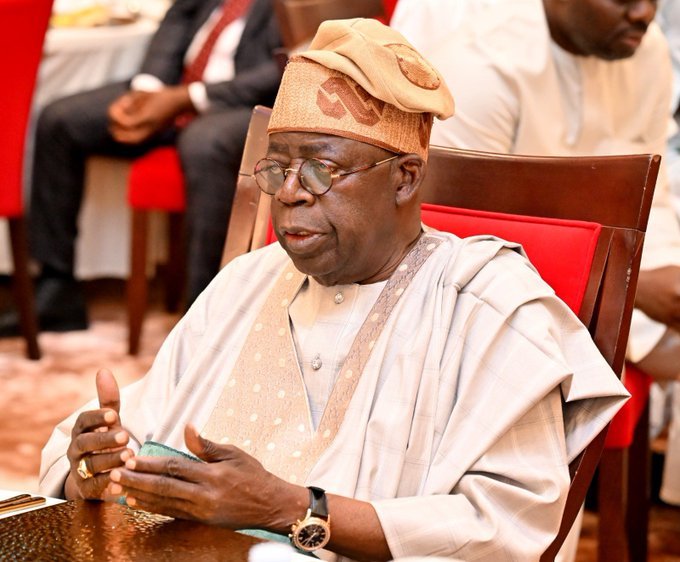
After months of widespread blackouts, President Bola Ahmed Tinubu has initiated a fresh restructuring of Nigeria’s power sector.
The move includes the nomination of a new Minister of Power and the appointment of a Special Adviser to head a presidential task force on sector reforms. Therefore, it signals a decisive effort to confront one of the country’s most persistent challenges in Nigeria.
Why the Power Sector Matters
Electricity drives economic activity.
Without reliable power, businesses struggle. Households also face daily disruptions. Consequently, productivity declines and costs increase.
The recent blackouts have amplified these challenges. Therefore, urgent intervention has become necessary.
A Strategic Restructuring Approach
Reform requires structure.
By nominating a new minister, Bola Ahmed Tinubu introduces fresh leadership into the sector. At the same time, the creation of a presidential task force suggests a coordinated approach.
This dual strategy combines policy direction with operational oversight. As a result, reforms can move faster and with clearer accountability.
The Role of the Presidential Task Force
Task forces drive focused execution.
The newly appointed Special Adviser will lead efforts to identify bottlenecks, propose solutions, and monitor implementation. Therefore, the initiative aims to ensure that reforms translate into measurable outcomes.
This structure also allows for cross-agency collaboration, which remains essential in a complex sector.
Addressing Longstanding Challenges
Nigeria’s power sector faces multiple constraints.
These include generation shortfalls, transmission limitations, and distribution inefficiencies. Therefore, restructuring must address each segment.
In addition, issues such as funding gaps, infrastructure deficits, and regulatory inconsistencies require attention.
Consequently, comprehensive reform becomes critical.
Implications for Businesses and Households
Reliable power improves lives.
Businesses can operate efficiently. Investments also increase when energy supply stabilises. Therefore, reforms in the power sector have wide-reaching economic benefits.
For households, consistent electricity enhances quality of life. It reduces dependence on alternative energy sources and lowers costs.
Balancing Reform with Implementation
Policy announcements create expectations.
However, implementation determines success. Therefore, the administration must ensure that decisions translate into visible improvements.
This includes clear timelines, stakeholder engagement, and transparent communication.
A Test of Governance and Delivery
The power sector often defines public perception.
Success in this area strengthens confidence in leadership. Failure, however, reinforces frustration.
Therefore, the restructuring led by Bola Ahmed Tinubu represents a critical test of governance capacity.
Looking Ahead
Progress will require consistency.
Stakeholders must align efforts. Reforms must also remain sustained over time. Therefore, monitoring and evaluation will be essential.
However, the current move provides a renewed sense of direction.
Conclusion: A Critical Step Toward Energy Reform
The decision by Bola Ahmed Tinubu to restructure the power sector reflects urgency and intent.
By introducing new leadership and establishing a reform task force, Nigeria takes a significant step toward addressing persistent electricity challenges.
Ultimately, the success of this initiative will depend on execution, coordination, and sustained commitment to delivering reliable power for all.
About The Author