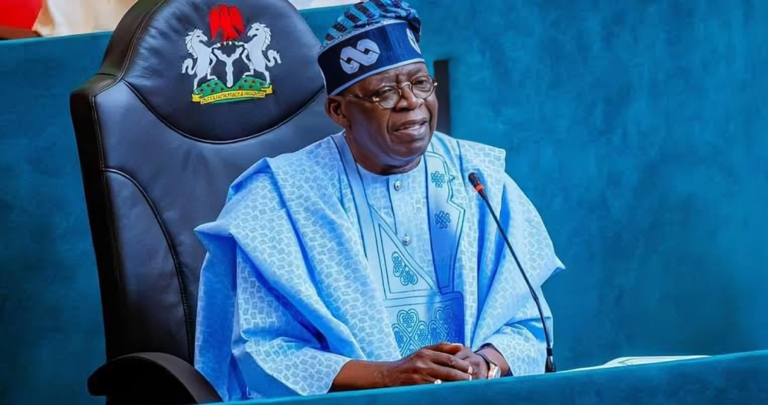
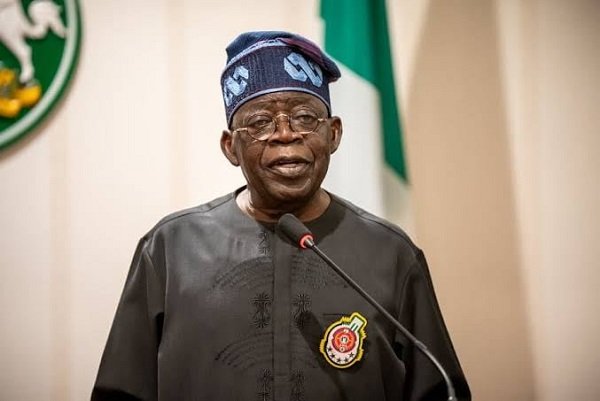
Bola Ahmed Tinubu has disclosed that Nigeria will spend approximately $11.6 billion on debt servicing in 2026, highlighting the growing financial pressure facing the country’s economy.
The President made the statement in Nairobi, Kenya, during discussions focused on economic challenges, development financing, and the need for stronger reforms across African economies. Therefore, the disclosure has renewed attention on Nigeria’s debt profile and the broader impact of debt servicing obligations on national development.
Debt management remains one of the most critical issues confronting many developing economies.
Why Debt Servicing Matters
Debt servicing refers to the repayment of borrowed funds and interest obligations.
Governments often borrow money to finance infrastructure projects, social programmes, economic reforms, and budget deficits. However, rising repayment obligations can place heavy pressure on public finances when debt levels increase significantly.
High debt servicing reduces fiscal flexibility.
Large repayment commitments may limit government spending on healthcare, education, infrastructure, agriculture, and social welfare programmes. Consequently, countries facing high debt burdens often struggle to balance development priorities with financial obligations.
Economic sustainability depends on responsible debt management.
Nigeria’s Growing Fiscal Challenges
Nigeria continues facing significant economic pressures.
Inflation, currency volatility, subsidy reforms, infrastructure deficits, and global economic uncertainty have all contributed to fiscal strain in recent years. Therefore, rising debt servicing costs further increase pressure on government finances and economic planning.
Revenue generation remains a major concern.
Many analysts continue emphasizing the importance of expanding non-oil revenue sources, improving tax systems, and strengthening economic diversification to reduce borrowing dependence.
Economic reforms remain central to long-term stability.
Tinubu’s Economic Reform Agenda
Bola Ahmed Tinubu has repeatedly defended his administration’s economic reforms as necessary steps toward stabilizing Nigeria’s economy and improving long-term growth prospects.
Since assuming office, the administration has implemented major policy changes involving fuel subsidy removal, foreign exchange reforms, and fiscal restructuring efforts. Therefore, discussions surrounding debt obligations continue within the broader context of economic recovery and reform implementation.
The government argues that difficult reforms are necessary for long-term sustainability.
The Impact of Debt on Development
Heavy debt obligations can slow development efforts.
When significant portions of national revenue go toward loan repayments, governments may face challenges financing critical sectors such as infrastructure, healthcare, education, security, and agriculture. Therefore, managing debt sustainably remains essential for national progress.
Developing economies often face financing constraints.
Many African countries rely on borrowing to fund development projects and respond to economic pressures. However, rising global interest rates and weaker currencies can increase repayment burdens significantly.
Global Economic Pressures Affecting African Economies
African economies continue facing external financial pressures.
Global inflation, rising borrowing costs, geopolitical tensions, and fluctuating commodity prices have affected many developing countries in recent years. Therefore, debt sustainability discussions have become increasingly important across the continent.
International financial institutions continue advocating reforms.
Economic experts frequently emphasize fiscal discipline, revenue expansion, and investment-friendly policies as strategies for improving debt sustainability.
Why Revenue Diversification Matters
Nigeria’s economy still depends heavily on oil revenue.
Fluctuating crude oil prices and production challenges often affect government earnings and foreign exchange inflows. Therefore, economic diversification remains essential for reducing fiscal vulnerability and improving financial stability.
Non-oil sectors offer growth opportunities.
Agriculture, technology, manufacturing, mining, and the digital economy continue presenting alternatives capable of strengthening revenue generation and reducing borrowing dependence.
Economic diversification supports resilience.
Balancing Borrowing and Development
Borrowing itself is not necessarily harmful.
Many countries borrow to finance infrastructure, industrialization, and economic expansion. However, sustainable borrowing depends on productive investments, efficient project execution, and strong revenue generation capable of supporting repayment obligations.
Debt becomes problematic when repayments overwhelm national finances.
Fiscal discipline and transparent management remain important for maintaining investor confidence and economic credibility.
Public Concerns Over Debt Sustainability
Citizens increasingly pay attention to debt issues.
Many Nigerians remain concerned about inflation, living costs, unemployment, and economic hardship. Therefore, rising debt servicing figures often generate public debate regarding government spending priorities and economic management.
Transparency remains important.
Clear communication regarding borrowing, repayment strategies, and development outcomes may help strengthen public understanding and confidence.
Looking Ahead
Nigeria’s economic future will depend heavily on sustainable fiscal management.
As the government continues implementing reforms and pursuing development goals, balancing debt obligations with economic growth priorities will remain critical.
Revenue growth, investment attraction, and economic diversification will likely shape long-term stability.
Conclusion: Managing Debt While Pursuing Economic Growth
The disclosure by Bola Ahmed Tinubu that Nigeria will spend $11.6 billion on debt servicing in 2026 underscores the significant financial pressures facing the country.
As economic reforms continue and development demands increase, effective debt management, stronger revenue generation, and sustainable fiscal policies will remain essential for protecting economic stability and supporting national growth.
Ultimately, Nigeria’s long-term economic success will depend not only on managing debt responsibly but also on building a stronger, more diversified, and resilient economy.
About The Author