
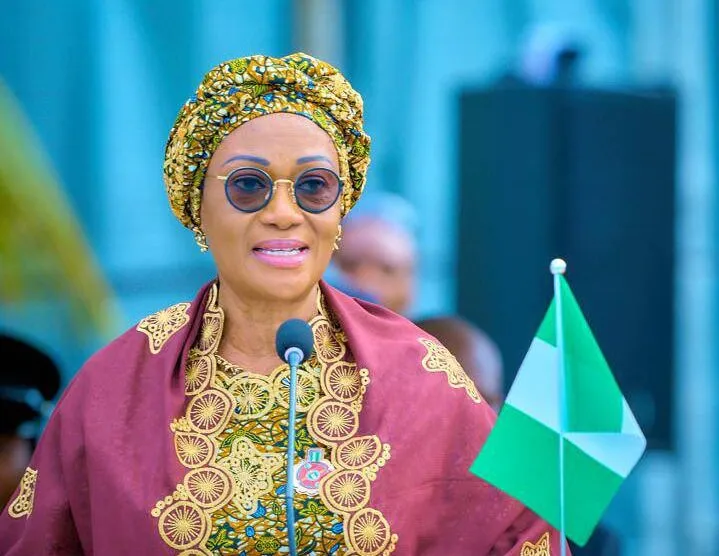
Reports of a possible struggle for influence within President Bola Ahmed Tinubu’s political camp have drawn attention to the roles of First Lady Oluremi Tinubu and the President’s son, Seyi Tinubu, amid preparations for the ruling All Progressives Congress (APC) to strengthen its youth mobilisation ahead of the 2027 general elections.
The reported disagreement centres on an appointment connected to the party’s youth leadership structure, raising questions about influence, political organisation and the competing interests that can emerge as parties prepare for another election cycle.
However, the claim that the First Lady and Seyi Tinubu are “at war” over the appointment should be treated cautiously unless supported by direct statements, official records or independently verified accounts from the people involved. Political differences and competing preferences do not necessarily establish a personal feud.
APC Youth Leadership Becomes a Focus of Political Interest
Youth mobilisation is an important part of political organisation in Nigeria, where parties seek to engage young voters, build volunteer networks and coordinate grassroots campaigns.
For the APC, decisions about youth leadership can carry implications beyond the appointment itself. Those who occupy influential positions may help coordinate activities, establish communication with young supporters and shape the party’s outreach strategies across states and local government areas.
Consequently, appointments within youth structures can attract interest from political stakeholders seeking to influence the direction, organisation and visibility of the party’s mobilisation efforts.
As preparations for the 2027 elections develop, the ruling party faces the task of coordinating its national leadership, state chapters, campaign structures and grassroots organisations. The process may involve different preferences about who should lead particular initiatives and how the party should organise its outreach.
The reported controversy involving Remi Tinubu and Seyi Tinubu should therefore be understood within this broader political context, while recognising that the precise nature of their alleged disagreement has not been established by the information provided.
Remi Tinubu’s Position Within the Political Environment
As First Lady, Oluremi Tinubu maintains a prominent public role through social interventions, community engagement and activities associated with the presidency.
Her visibility gives her an important place in the administration’s wider public environment. Nevertheless, her public role should be distinguished from any formal authority over the APC’s internal appointment processes unless such authority is established through official party structures or documented statements.
Any suggestion that she is seeking to influence a particular youth leadership appointment would require evidence identifying the position at issue, the candidate or candidates involved and the nature of her reported intervention.
Without those details, it would be premature to conclude that the First Lady is engaged in a direct contest with another member of the President’s family.
Seyi Tinubu and Youth Mobilisation
Seyi Tinubu has attracted public attention through his involvement in political mobilisation and activities associated with his father’s political support base.
His visibility among political supporters has prompted discussion about the role of influential individuals outside formally elected or appointed offices in organising grassroots engagement.
However, influence within a political network is not the same as holding an official party position. Any assessment of Seyi Tinubu’s role in the reported appointment dispute would need to distinguish his public activities from any formal responsibilities conferred by the APC.
It would also be necessary to establish whether he has publicly endorsed a candidate, opposed a proposed appointment or issued a statement about the matter.
Without verifiable evidence, claims about his intentions or the extent of his involvement remain unconfirmed.
Why the Appointment Matters to the APC
Leadership appointments can influence how political parties allocate responsibilities, coordinate supporters and prepare for elections.
A youth leadership position may involve organising volunteers, developing outreach programmes, coordinating activities across state chapters and connecting the party with younger constituencies.
The appointment process can therefore become a subject of negotiation among party stakeholders, particularly when the role is considered important to a broader campaign strategy.
For the APC, the central organisational challenge is to ensure that its youth structures operate effectively and maintain clear lines of responsibility. Transparent appointment procedures and communication among stakeholders could help prevent disagreements from disrupting party activities.
At the same time, disagreement over a candidate or leadership arrangement would not automatically indicate a wider crisis within the party or the presidency.
Implications for Tinubu’s 2027 Re-election Preparations
The reports emerge against the backdrop of preparations for the next general election, when political parties typically begin assessing their mobilisation structures, identifying campaign priorities and strengthening relationships with supporters.
For the APC, youth engagement may form part of its broader strategy to communicate its policies and political message to voters. The effectiveness of that effort will depend on the organisation of its structures, the credibility of its outreach and the issues that matter to citizens.
If a disagreement over an appointment is confirmed, the party’s response could offer insight into how it manages competing interests within its political network.
However, it would be premature to conclude that the reported situation threatens the President’s re-election preparations without evidence of its scale, the stakeholders involved and any practical consequences for the party’s operations.
The distinction between political speculation and documented developments is particularly important when reports concern members of the same family and their alleged influence over party decisions.
What Remains to Be Established
Several questions require clarification before the reported dispute can be assessed confidently.
These include the exact APC youth leadership position involved, the individual being considered for appointment, the official body responsible for making the decision and whether either Remi Tinubu or Seyi Tinubu has publicly intervened.
Statements from the APC leadership or the people directly involved could help establish whether there is a genuine disagreement, a routine difference in political preference or a claim that has been exaggerated in public discussion.
Until such information becomes available, describing the relationship between the First Lady and Seyi Tinubu as an outright war would go beyond what the available details establish.
Conclusion
Reports of a possible disagreement involving Remi Tinubu and Seyi Tinubu over an APC youth leadership appointment have raised questions about influence and political organisation within President Tinubu’s camp.
The issue is potentially significant because youth mobilisation forms part of the ruling party’s preparations for the 2027 elections. Nevertheless, the allegation of a personal conflict remains unverified on the information available.
The key issue is whether the reported disagreement can be substantiated and whether it has any demonstrable effect on the APC’s internal decision-making or campaign preparations. Until those details are established, the situation is best treated as an allegation requiring further confirmation rather than a confirmed feud between members of the President’s family.
About The Author