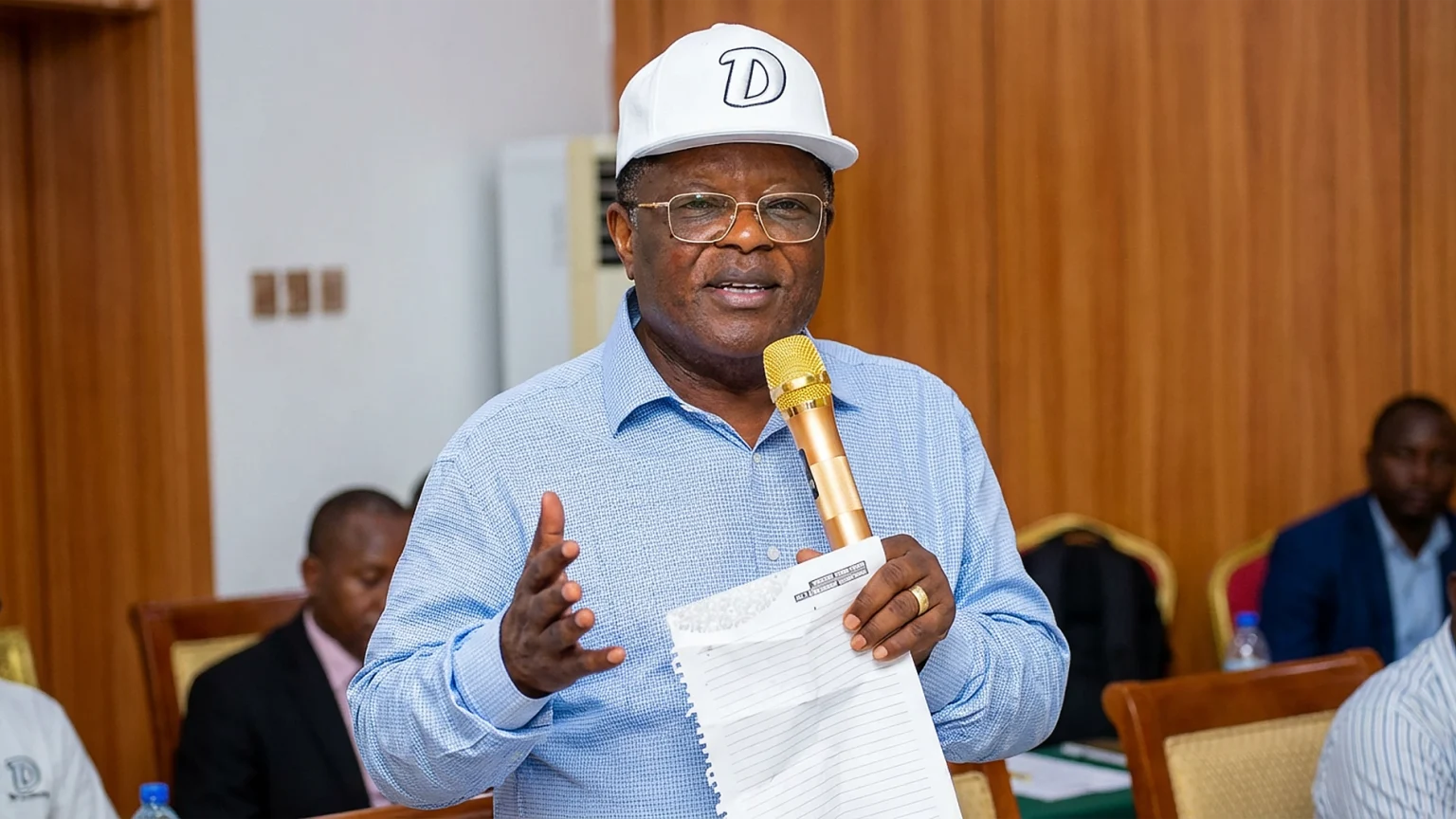
The Minister of Works, David Umahi, has said President Bola Ahmed Tinubu is borrowing to rehabilitate and expand Nigeria’s road infrastructure because transportation networks remain essential to national security, commerce and economic development.
Umahi explained that the administration’s infrastructure financing strategy is driven by the need to address decades of deficits in road construction and maintenance while creating a foundation for long-term economic growth.
According to the minister, modern infrastructure is not merely a development project but a strategic investment that supports productivity, strengthens national integration and improves the quality of life for citizens.
He stressed that no nation can achieve sustainable economic progress without reliable transportation infrastructure.
Infrastructure as a Foundation for Development
Road networks play a central role in connecting communities, facilitating trade and supporting industrial activities.
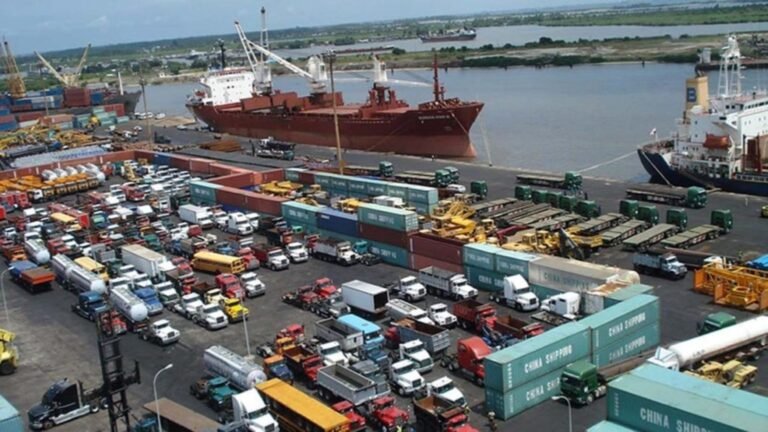
Across Nigeria, federal highways serve as critical corridors for the movement of people, agricultural products, manufactured goods and essential services.
Umahi noted that improving these transportation links remains necessary for unlocking economic opportunities and reducing barriers to growth.
He argued that investments in road infrastructure often generate benefits that extend far beyond the construction sector by stimulating commerce, attracting investment and creating employment opportunities.
Consequently, the government views infrastructure development as a strategic priority.
Link Between Roads and National Security
The minister also highlighted the relationship between infrastructure and security.
According to him, well-developed road networks improve access for security agencies, enhance mobility and support faster emergency responses in different parts of the country.
Poor infrastructure, he noted, can limit economic opportunities and make it more difficult for authorities to respond effectively to security challenges.
Improved roads therefore contribute not only to economic activity but also to broader national stability and public safety.
Stakeholders increasingly recognize infrastructure as an important component of comprehensive development and security strategies.
Supporting Commerce and Trade
Commerce depends heavily on efficient transportation systems.
Businesses require reliable roads to move raw materials, distribute products and connect with markets.
Umahi emphasized that reducing transportation bottlenecks can lower operating costs, improve efficiency and enhance competitiveness across multiple sectors of the economy.
For farmers, manufacturers and traders, better roads translate into easier access to customers and business opportunities.
As a result, infrastructure investments can help stimulate local economies while supporting national economic expansion.
Financing Long-Term Development
The minister acknowledged that major infrastructure projects require substantial financial resources.
However, he argued that strategic borrowing for productive investments differs from borrowing for recurrent expenditure because infrastructure assets generate long-term economic value.
According to him, roads, bridges and transportation networks contribute to national productivity for decades and create conditions that support future growth.
Governments around the world frequently utilize financing mechanisms to fund large-scale infrastructure projects capable of delivering economic returns over time.
Umahi maintained that the administration’s approach is focused on creating assets that will benefit future generations.
Accelerating Infrastructure Delivery
The Federal Government has continued pursuing road construction and rehabilitation projects across different regions of the country.
These initiatives are aimed at improving connectivity, reducing travel times and supporting economic integration.
The minister noted that accelerated infrastructure delivery remains important for addressing existing deficits and meeting the demands of a growing population.
He added that strategic investments in transportation infrastructure can strengthen national competitiveness and support broader development objectives.
Industry observers believe that sustained infrastructure development remains essential for achieving long-term economic transformation.
Looking Ahead
The remarks by David Umahi reflect the Federal Government’s position that infrastructure development remains central to achieving national security, economic growth and improved living standards.
By prioritizing road construction and rehabilitation, the administration of President Bola Ahmed Tinubu aims to strengthen transportation networks and create a foundation for sustainable development.
Ultimately, modern roads and transportation systems remain among the most important tools for promoting growth, enhancing connectivity and supporting national progress.
About The Author