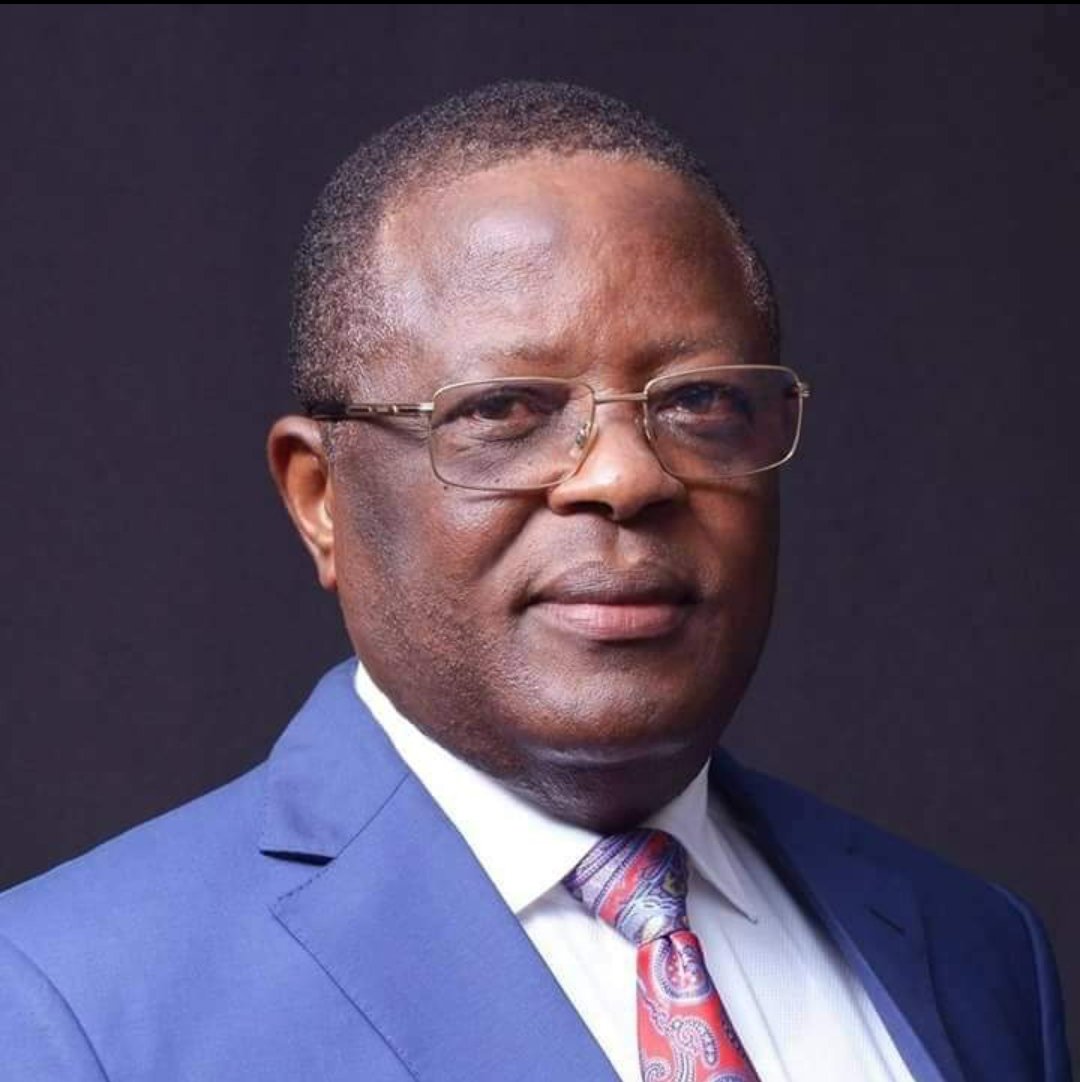
The Minister of Works, David Umahi, has said that several road projects across Nigeria’s South-East region, originally conceived during the colonial era but left unrealised for decades, are now being brought to life under the Renewed Hope Agenda of President Bola Ahmed Tinubu.
According to the minister, the ongoing infrastructure drive reflects the Federal Government’s commitment to addressing historical development gaps while improving connectivity, economic integration, and regional development through strategic investments in road construction.
Furthermore, he noted that the renewed focus on infrastructure is expected to unlock new economic opportunities and enhance the movement of people and goods across the region.
Reviving Long-Awaited Road Infrastructure
Umahi explained that many of the road projects had remained on the drawing board for several decades despite their importance to regional and national development.
He stated that the current administration has demonstrated the political will to revive and execute these critical projects, ensuring that communities benefit from improved transportation networks and modern infrastructure.
The minister added that completing these roads will help bridge longstanding infrastructure deficits and strengthen connectivity between states and neighbouring regions.
Infrastructure as a Catalyst for Economic Growth
The Minister emphasized that quality road infrastructure plays a vital role in stimulating economic activities by reducing travel time, lowering transportation costs, and improving access to markets.
He noted that better roads will support agriculture, commerce, manufacturing, and investment while facilitating the efficient movement of goods and services throughout the South-East and other parts of the country.
Moreover, improved transportation infrastructure is expected to create employment opportunities and encourage private sector investment in key economic sectors.
Renewed Hope Agenda Driving Development
Umahi described the Renewed Hope Agenda as a comprehensive development strategy that places infrastructure at the centre of Nigeria’s economic transformation.
He explained that the administration is prioritising the completion of strategic road networks that will enhance national integration and support long-term economic competitiveness.
In addition, the government remains committed to ensuring that infrastructure investments deliver lasting benefits for communities through improved accessibility and sustainable development.
Enhancing Regional Connectivity
The minister stressed that expanding and modernising the South-East road network will strengthen regional integration by connecting major commercial centres, industrial hubs, and rural communities.
He observed that improved road infrastructure will facilitate trade, tourism, and social interaction while contributing to national unity and balanced economic development.
Such investments, he said, are essential for positioning the South-East as a major contributor to Nigeria’s overall economic growth.
A New Era for South-East Infrastructure
Umahi’s remarks underscore the Federal Government’s determination to transform Nigeria’s infrastructure landscape through sustained investment in critical road projects.
As long-delayed projects move from planning to execution, the South-East is expected to benefit from improved transportation, expanded economic opportunities, and stronger regional connectivity.
The ongoing road construction programme reflects the administration’s broader commitment to using infrastructure as a foundation for inclusive growth, national integration, and sustainable development across the country.
About The Author