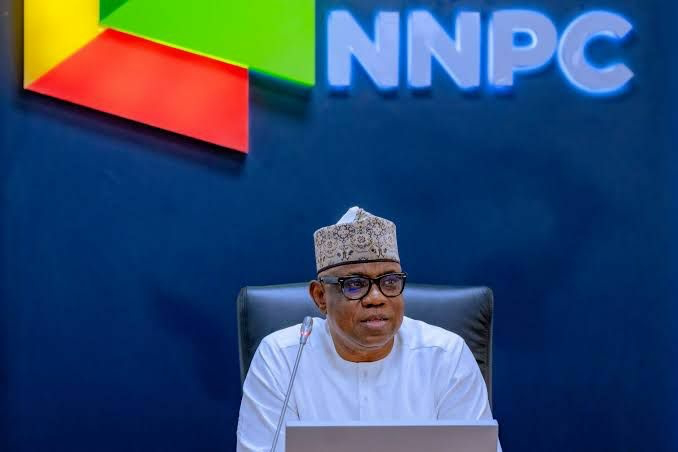
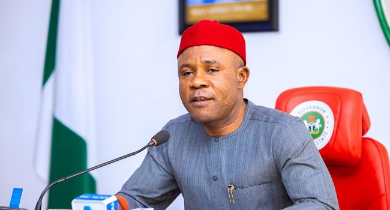
As political activities gradually begin to gather pace ahead of Nigeria’s 2027 general elections, renewed attention is being placed on security, community engagement, and the role of traditional institutions in maintaining peace across the country. Recent reports circulating on Facebook and other media platforms suggest that the governors of Enugu and Niger states are taking proactive steps to strengthen their states’ security architecture as preparations continue for the governorship elections scheduled for March 6, 2027.
According to the reports, both governors have engaged traditional rulers within their respective states, encouraging them to become more actively involved in promoting peace, strengthening intelligence gathering, and supporting community-based security initiatives.
While these reports have attracted considerable public attention, they remain social media and media claims. Official statements from the respective state governments should be relied upon to confirm the details of any specific directives or policy decisions.
Nevertheless, the reports have generated broader discussions about the increasingly important role traditional institutions play in supporting security and governance across Nigeria.
Security Remains Central to Election Preparations
Election periods often increase public attention on security because peaceful environments are essential for credible democratic processes.
Furthermore, state governments across Nigeria routinely review security strategies long before elections to ensure that law enforcement agencies, community leaders, and relevant stakeholders remain adequately prepared.
Maintaining peace benefits everyone.
Whether through improved coordination among security agencies, community sensitisation, or stronger collaboration with traditional institutions, proactive planning often helps reduce potential security challenges before they emerge.
The reported engagements in Enugu and Niger therefore fit within broader conversations about preventive security planning rather than reactive crisis management.
Traditional Rulers Continue Playing Important Roles
Traditional rulers remain influential figures in many Nigerian communities.
Furthermore, they often serve as important links between government institutions and local populations because of their familiarity with community dynamics, customs, and leadership structures.
Their influence extends beyond cultural preservation.
Many traditional institutions contribute to conflict resolution, community mobilisation, peacebuilding, youth engagement, and early identification of local disputes that could escalate if left unresolved.
Consequently, several state governments frequently engage monarchs when implementing community development and security initiatives.
Community Intelligence Strengthens Security
Modern security increasingly depends on effective collaboration between government agencies and local communities.
Furthermore, community leaders often possess valuable local knowledge capable of supporting early identification of emerging security concerns.
Timely information improves response.
Security experts have consistently emphasised that intelligence gathered at the community level often helps authorities respond more effectively to potential threats before they become larger problems.
Traditional rulers therefore remain valuable partners in encouraging citizens to cooperate with lawful security efforts.
Preparing Well Before Election Season
Political observers note that preparations for major elections typically begin several years before voting takes place.
Furthermore, governments often intensify infrastructure development, citizen engagement, security coordination, and public awareness programmes well ahead of election periods.
Early preparation reduces uncertainty.
Long-term planning also allows institutions to strengthen operational capacity while addressing issues that could affect peaceful electoral participation.
Although campaigning has not officially commenced, governance activities continue across states as administrations pursue their development agendas.
Balancing Security and Democratic Participation
Strong security measures are most effective when they protect democratic participation without limiting legitimate political activities.
Furthermore, citizens expect security institutions to maintain neutrality while ensuring that every eligible voter can exercise constitutional rights peacefully.
Public confidence depends on fairness.
Effective security planning therefore requires collaboration among government agencies, traditional institutions, civil society organisations, political stakeholders, and local communities.
The objective remains creating an environment where elections can proceed peacefully and transparently.
The Importance of Accurate Information
The circulation of election-related information on social media often generates widespread public discussion.
Furthermore, online platforms allow information to spread rapidly, making verification increasingly important before conclusions are reached.
Verified facts strengthen public trust.
Citizens are encouraged to rely on official government communications, electoral authorities, and credible news organisations when assessing developments relating to governance, elections, and public security.
Responsible information sharing helps reduce unnecessary speculation and promotes informed public discussion.
Traditional Institutions and Development
Beyond security, traditional rulers continue supporting development initiatives in education, healthcare, agriculture, youth empowerment, environmental protection, and conflict mediation.
Furthermore, collaboration between governments and traditional institutions has become increasingly common across many states because community participation often improves programme implementation.
Local leadership strengthens development outcomes.
Engaging respected community leaders may also improve public awareness of government policies while encouraging greater civic responsibility among residents.
Looking Ahead to 2027
As Nigeria gradually moves closer to another electoral cycle, security, governance, and citizen participation will remain major priorities for governments at every level.
Furthermore, collaboration between public institutions and community leaders is expected to continue as part of wider efforts to maintain peace and strengthen democratic institutions.
Regardless of political affiliations, peaceful elections remain in the interest of every Nigerian.
Constructive dialogue encourages stability.
Ultimately, whether the reported engagements in Enugu and Niger states reflect routine governance consultations or broader security planning, the discussion highlights the continuing importance of community-based approaches to peacebuilding.
As official preparations for the 2027 elections continue to evolve, stakeholders across the country are expected to remain focused on promoting peaceful political participation, protecting democratic processes, strengthening cooperation among security institutions, and ensuring that citizens receive accurate, verified information about developments affecting governance and elections. Responsible leadership, informed public engagement, and effective collaboration between government institutions and traditional authorities will continue playing important roles in supporting a secure environment where democratic processes can flourish peacefully.
About The Author