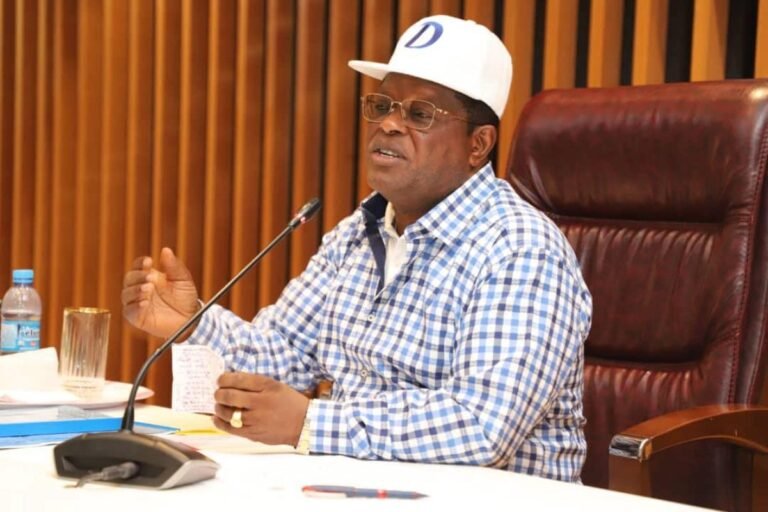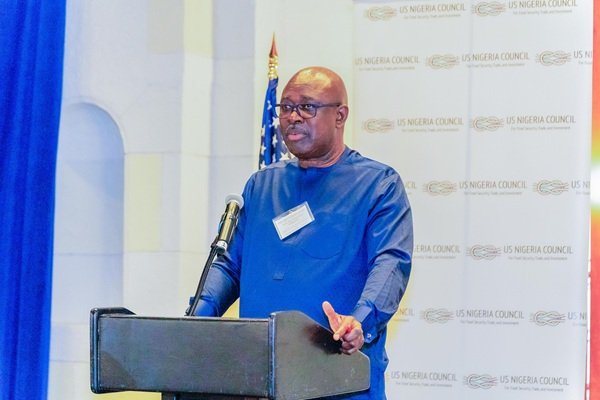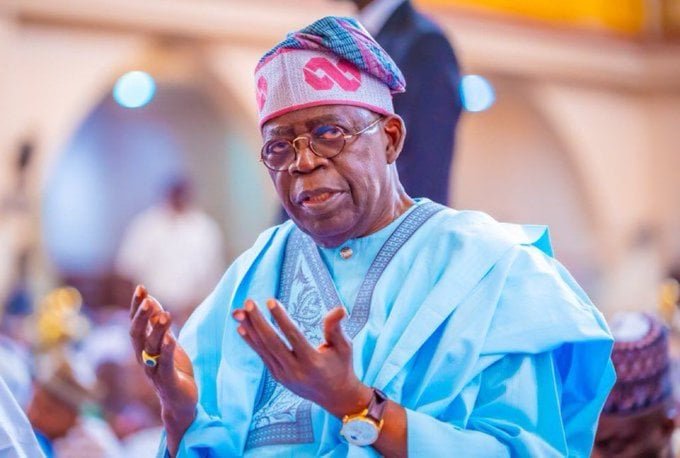
The Director-General of the All Progressives Congress (APC) Presidential Campaign Council, Senator Abdul’aziz Yari, yesterday met with Seyi Tinubu as the ruling party intensifies efforts to mobilise young Nigerians ahead of the 2027 campaigns.
The meeting comes as political activities surrounding the next general election gradually gather momentum, with parties and political groups seeking stronger connections with Nigeria’s large and influential youth population.
Yari’s engagement with Seyi Tinubu highlights the growing attention being given to youth participation as the APC prepares its campaign strategy.
Yari Holds Talks With Seyi Tinubu
The meeting between Yari and Seyi Tinubu comes at a significant moment for the APC.
Furthermore, young Nigerians remain a major force within Nigeria’s political and social landscape, making youth engagement increasingly important for any party seeking broad electoral support.
Political mobilisation requires more than traditional campaign rallies.
It also requires direct conversations with young people.
It requires listening to their concerns.
It requires creating channels for participation.
It also requires communicating policies in ways that connect with their aspirations.
Youth Mobilisation Takes Centre Stage
Nigeria has one of Africa’s largest youth populations, making young voters crucial to the 2027 electoral contest.
Furthermore, young Nigerians have strong interests in employment, entrepreneurship, technology, education, skills development, security, affordable housing, and economic opportunities.
Political parties therefore face pressure to demonstrate that their programmes can address these priorities.
The APC’s growing focus on youth mobilisation suggests that the party recognises the importance of connecting its campaign message with these expectations.
Seyi Tinubu’s Engagement With Young Nigerians
Seyi Tinubu has increasingly attracted attention for his engagement with young Nigerians and initiatives focused on entrepreneurship, technology, employment, and youth development.
Furthermore, his interactions with young people have provided opportunities to discuss economic challenges and the need for stronger pathways into productive sectors.
His involvement in conversations surrounding youth empowerment could make him an important figure in broader mobilisation efforts.
However, youth engagement must ultimately translate into practical opportunities if political messages are to maintain credibility.
The 2027 Campaign Environment
Preparations for the 2027 election are already shaping political calculations across Nigeria.
Furthermore, political actors are beginning to build alliances, strengthen structures, and develop campaign strategies well ahead of the formal election period.
The APC will seek to defend its position at the federal level.
Opposition parties will attempt to present alternative platforms.
Young voters will remain an important constituency in that competition.
Their participation could significantly influence turnout and electoral outcomes.
Why Youth Support Matters
Youth voters can influence elections through both participation and mobilisation.
Furthermore, young Nigerians are highly active across social media platforms, community networks, professional groups, student organisations, entrepreneurship communities, and civil society spaces.
This gives them considerable capacity to influence political conversations.
Political parties that effectively engage these networks can expand their reach.
However, young voters are also increasingly demanding accountability and tangible results from political leaders.
Economic Opportunities Remain Key
Employment and economic empowerment will likely remain central to youth mobilisation.
Furthermore, many young Nigerians want opportunities to build careers, start businesses, acquire skills, and participate meaningfully in the economy.
Government policies that encourage investment and entrepreneurship can create pathways for these ambitions.
Private-sector growth can also create jobs.
Technology can open new opportunities.
Skills development can improve employability.
The APC will therefore need to connect its economic policies with the everyday realities facing young Nigerians.
Technology Can Strengthen Political Engagement
Technology will likely play a major role in the 2027 campaign.
Furthermore, young Nigerians increasingly consume news, discuss politics, organise communities, and interact with public figures through digital platforms.
Political campaigns can use technology to communicate policies more directly.
Digital platforms can also facilitate feedback.
Online engagement can help campaigns understand public concerns.
However, political actors will need to maintain responsible communication and avoid misinformation and divisive rhetoric.
Beyond Campaign Rallies
Effective youth mobilisation requires more than bringing young people to political events.
Furthermore, sustained engagement means creating opportunities for young Nigerians to contribute ideas and participate in decision-making.
Young professionals can contribute policy recommendations.
Entrepreneurs can identify barriers to business growth.
Students can highlight educational challenges.
Technology specialists can suggest digital solutions.
Including these perspectives can make political programmes more responsive.
Building a Stronger APC Youth Network
The meeting could also contribute to strengthening the APC’s youth mobilisation structure.
Furthermore, a coordinated network can help the party communicate its policies across different communities and demographic groups.
Youth coordinators can organise local engagement.
Digital teams can communicate campaign messages.
Community leaders can facilitate grassroots discussions.
Young political organisers can mobilise voters.
This structure could become increasingly important as the campaign period approaches.
Connecting Youth With Governance
Youth mobilisation can have greater impact when political engagement connects directly with governance.
Furthermore, young Nigerians want to understand how government policies affect their education, employment, businesses, transportation, housing, and future prospects.
Political leaders can strengthen trust by explaining policies clearly.
They can also provide measurable targets.
Regular engagement can help maintain communication between leaders and young citizens.
Seyi Tinubu and the Emerging Political Conversation
Seyi Tinubu’s presence in youth-focused political conversations could become more significant as the 2027 campaign develops.
Furthermore, his generation has direct connections with many of the young Nigerians who will play important roles in the next election.
That proximity can provide opportunities for dialogue.
It can also create a bridge between established political structures and younger voters.
However, the effectiveness of that role will ultimately depend on the substance of the engagement and the opportunities created for young Nigerians.
Looking Ahead
Senator Abdul’aziz Yari’s meeting with Seyi Tinubu signals the growing importance of youth mobilisation within the APC’s preparations for the 2027 presidential campaign.
As political activities intensify, young Nigerians will remain central to the conversation because of their population size, digital influence, economic aspirations, and potential electoral impact.
The APC’s challenge will be turning youth mobilisation into meaningful engagement that goes beyond campaign messaging.
Ultimately, the meeting between Yari and Seyi Tinubu could become part of a broader effort to build stronger connections with Nigeria’s younger generation, provided the emerging campaign strategy focuses on practical economic opportunities, skills development, entrepreneurship, technology, inclusion, and a genuine role for young Nigerians in shaping the country’s political future.
About The Author