
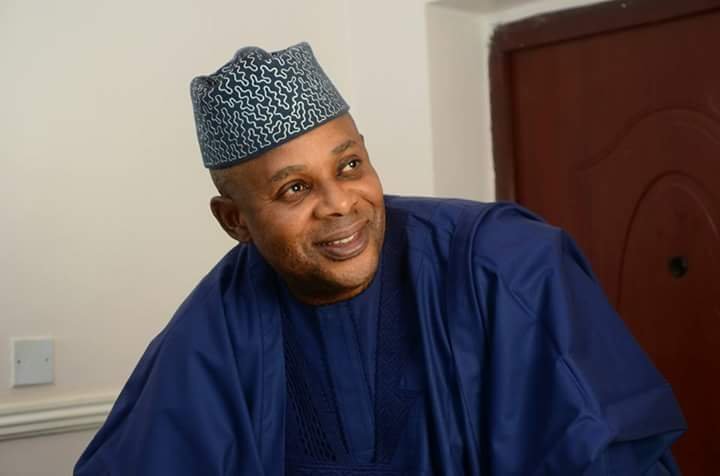
Ahead of the 2027 governorship election in Kogi State, a group of Kogi indigenes in the diaspora has declared support for James Abiodun Faleke as its preferred candidate for governor.
The declaration adds another dimension to the emerging political conversations ahead of the election, with various groups beginning to express preferences and assess potential candidates.
Furthermore, diaspora communities can play an important role in shaping political discussions through advocacy, public engagement, and community development initiatives.
Diaspora Group Backs Faleke
The group said its support for Faleke reflects its belief in his leadership capacity and political experience.
Furthermore, supporters argue that his experience in public service could provide a foundation for addressing development challenges across Kogi State.
Experience informs leadership.
Vision shapes development.
Strong institutions support progress.
2027 Political Activity Gathers Momentum
The declaration comes as political activity surrounding the 2027 elections gradually intensifies.
Furthermore, prospective candidates and political groups are expected to increase consultations, mobilisation, and engagement with stakeholders across the state and beyond.
Early mobilisation builds networks.
Stakeholder engagement shapes campaigns.
Political organisation influences momentum.
Diaspora Voices Enter the Conversation
Kogi indigenes living outside Nigeria remain connected to developments in their home state.
Furthermore, diaspora groups often contribute to discussions around education, infrastructure, healthcare, investment, and governance.
Diaspora engagement strengthens connections.
Investment can support development.
Community ties transcend borders.
The Faleke Factor
Faleke has built a political career spanning public service and legislative responsibilities.
Furthermore, his supporters believe that his experience could be applied to governance at the state level.
Leadership requires experience.
Governance requires planning.
Development requires implementation.
What Supporters Want
The declaration also highlights expectations surrounding the next administration in Kogi State.
Furthermore, supporters are likely to focus on issues such as job creation, infrastructure, education, healthcare, agriculture, investment, and youth empowerment.
Young people need opportunities.
Businesses require supportive policies.
Communities need effective infrastructure.
The 2027 Contest
The Kogi governorship election is expected to attract significant attention as political parties position themselves ahead of the contest.
Furthermore, support from organised groups could become part of the broader mobilisation strategies of prospective candidates.
Political support requires organisation.
Campaigns require strong structures.
Voters ultimately determine outcomes.
Looking Ahead
The declaration of support for James Faleke by a group of Kogi indigenes in the diaspora adds to the growing political activity surrounding the 2027 governorship contest.
However, political endorsements represent only one part of an electoral process.
Candidates will ultimately need to convince voters through their policies, leadership records, campaign platforms, and proposed solutions to the challenges facing Kogi State.
As the 2027 political season approaches, greater attention will likely focus on how aspirants engage communities, build alliances, present their programmes, and respond to the expectations of Kogi residents.
For now, the diaspora declaration signals that the race for Kogi’s political future is already generating interest beyond the state’s borders.
About The Author