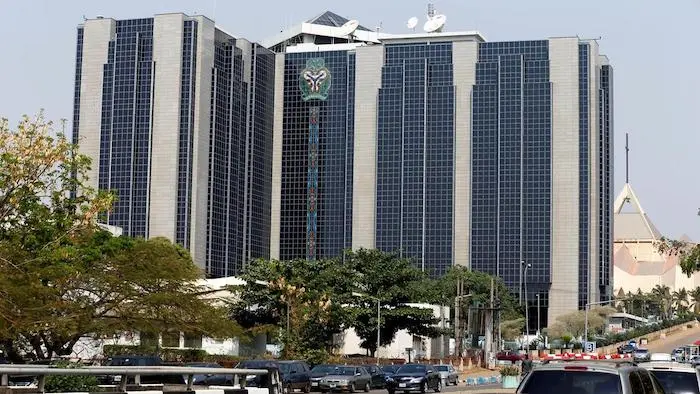
The Central Bank of Nigeria (CBN) has opened applications for the second cohort of its regulatory sandbox programme, creating a dedicated platform for Virtual Asset Service Providers (VASPs) to test innovative financial products under regulatory supervision.
The new track is expected to provide eligible virtual asset businesses with an opportunity to test products such as stablecoins, payment solutions, and settlement technologies within a controlled environment.
Furthermore, the initiative highlights the CBN’s growing focus on balancing financial innovation with appropriate regulatory oversight.
A Controlled Space for Financial Innovation
Regulatory sandboxes allow financial technology companies to test new products before wider market deployment.
Furthermore, controlled testing can help regulators understand emerging technologies while allowing innovators to identify operational challenges early.
Testing reduces uncertainty.
Supervision strengthens consumer protection.
Innovation benefits from clear rules.
VASPs Enter the Sandbox
The dedicated track for Virtual Asset Service Providers marks an important development for Nigeria’s digital-asset ecosystem.
Furthermore, eligible VASPs can use the supervised environment to demonstrate how their products operate while addressing regulatory and operational requirements.
Testing improves product design.
Supervision strengthens accountability.
Clear requirements encourage responsible innovation.
Stablecoins Under Regulatory Attention
Stablecoins are among the products that can be tested under the new framework.
Furthermore, stablecoins have attracted growing interest because they can support digital payments, transfers, settlement, and other financial activities.
Their potential creates opportunities.
Their risks require oversight.
Regulation can support responsible adoption.
Modernising Payment and Settlement Systems
The sandbox also provides opportunities to explore payment and settlement solutions.
Furthermore, innovations in these areas could contribute to faster, more efficient, and potentially more accessible financial transactions.
Digital payments improve convenience.
Efficient settlement supports commerce.
Technology can reduce transaction friction.
Balancing Innovation With Regulation
The CBN’s approach reflects the challenge regulators face in managing rapidly developing financial technologies.
Furthermore, virtual assets can create new opportunities while also presenting risks involving consumer protection, financial crime, operational resilience, market integrity, and financial stability.
Innovation requires safeguards.
Markets require transparency.
Consumers require protection.
Supporting Nigeria’s Fintech Ecosystem
Nigeria has developed one of Africa’s most active fintech ecosystems.
Furthermore, a structured regulatory environment can help innovators understand regulatory expectations while creating opportunities for responsible financial technology development.
Clear rules improve confidence.
Testing supports innovation.
Regulatory engagement strengthens the ecosystem.
Opportunities for VASPs
For eligible virtual asset companies, participation could provide valuable exposure to regulatory expectations.
Furthermore, testing under supervision can help businesses refine their products and demonstrate their ability to manage operational and compliance requirements.
Regulatory testing improves preparedness.
Compliance strengthens credibility.
Product refinement supports growth.
Looking Ahead
The opening of the CBN second regulatory sandbox cohort represents an important development in Nigeria’s evolving digital-finance landscape.
The dedicated VASP track provides a structured environment for testing stablecoins, payment products, settlement solutions, and other virtual-asset innovations under regulatory supervision.
The initiative could help strengthen dialogue between regulators and innovators while supporting the development of financial technologies that meet Nigeria’s regulatory and market needs.
Ultimately, the sandbox sends an important message: Nigeria is exploring ways to accommodate financial innovation while maintaining the oversight needed to protect consumers, strengthen market integrity, and support a stable financial system.
About The Author