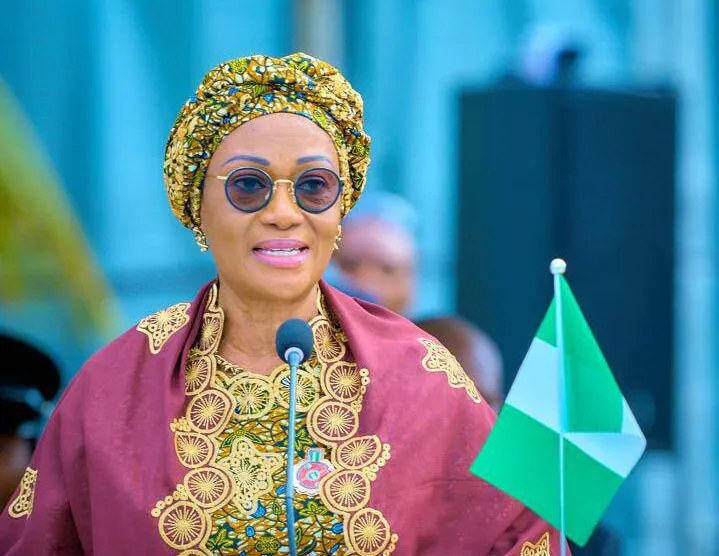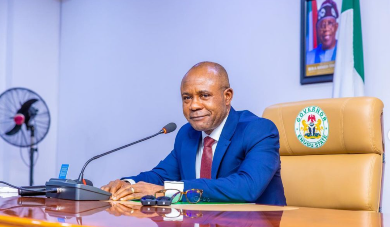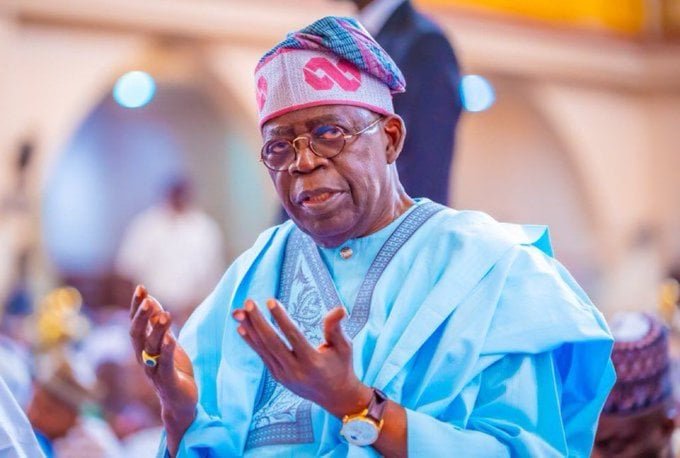
The Itsekiri nation on Thursday endorsed Bola Ahmed Tinubu, President of Nigeria, and Sheriff Oborevwori, Governor of Delta State, for a second term in office ahead of the 2027 general elections.
The endorsement reflects growing political consultations and alliance-building as stakeholders across different regions continue positioning themselves ahead of future electoral contests. Therefore, the declaration has attracted attention within political circles across Delta State and beyond.
Political endorsements often shape early electoral conversations.
Why Political Endorsements Matter
Endorsements remain important within democratic politics.
Community leaders, socio-cultural organizations, traditional institutions, and political stakeholders frequently issue endorsements to express confidence in leadership performance and policy direction. Therefore, such declarations often influence political discussions and grassroots mobilization.
Public support strengthens political momentum.
Endorsements frequently signal political alignment and shared development interests.
Political engagement remains active nationwide.
The Significance of the Itsekiri Nation
The Itsekiri people remain one of the influential ethnic nationalities within the Niger Delta region.
Historically, the Itsekiri nation has played important roles in commerce, politics, culture, and regional development within Delta State and the wider South-South region of Nigeria. Therefore, political endorsements from the community often attract national attention.
Traditional communities influence political participation.
Grassroots support frequently shapes electoral dynamics and regional political engagement.
Community voices remain important.
Tinubu’s Administration and Political Support
Bola Ahmed Tinubu continues receiving endorsements from different political groups and stakeholders.
Supporters often cite infrastructure development, economic reforms, national projects, and governance initiatives as reasons for continued political backing. Therefore, endorsements ahead of 2027 reflect early positioning within Nigeria’s evolving political landscape.
Political support often grows through stakeholder engagement.
Government policies and leadership style frequently influence public perception and alliances.
National politics remains dynamic.
Governor Oborevwori and Delta Politics
Sheriff Oborevwori continues consolidating political support within Delta State.
Since assuming office as governor, political observers have monitored his administration’s policies, infrastructure projects, and governance approach across the state. Therefore, the endorsement from the Itsekiri nation adds another layer to ongoing political developments within Delta politics.
State-level politics influences regional dynamics.
Governors frequently rely on grassroots support and community engagement to strengthen political relationships.
Political alliances continue evolving.
Why Early 2027 Discussions Are Emerging
Political conversations ahead of 2027 are gradually increasing nationwide.
Nigeria’s political environment often experiences early consultations, endorsements, and alliance-building long before election seasons officially begin. Therefore, stakeholders continue positioning strategically for future political contests.
Long-term political planning remains common.
Political actors frequently build networks and strengthen support bases years before elections.
Preparation influences campaign strength.
The Role of Ethnic and Regional Support in Nigerian Politics
Regional and ethnic support often influences electoral outcomes.
Nigeria’s political structure frequently reflects strong community participation and regional stakeholder engagement. Therefore, endorsements from influential ethnic nationalities may carry symbolic and political significance.
Community support strengthens political visibility.
Grassroots mobilization often plays major roles during elections and campaign periods.
Political inclusion remains important.
Democracy and Political Participation
Endorsements remain part of democratic expression.
Communities, organizations, and individuals often publicly support leaders they believe align with their interests or development expectations. Therefore, political endorsements continue representing active participation within democratic systems.
Democracy encourages civic engagement.
Citizens and groups frequently express preferences through consultations, endorsements, and political dialogue.
Participation strengthens democratic culture.
Infrastructure and Development Expectations
Political support frequently connects with development expectations.
Communities often evaluate leaders based on infrastructure projects, economic opportunities, security, education, and social development initiatives. Therefore, endorsements may also reflect expectations for continued development and government engagement.
Development influences political confidence.
Infrastructure and public service delivery frequently shape voter perception and political loyalty.
Communities seek progress and inclusion.
Public Reactions and Political Analysis
Political observers continue analyzing emerging alliances ahead of 2027.
Endorsements, consultations, and coalition-building efforts often provide insight into shifting political relationships and regional dynamics. Therefore, discussions surrounding future elections are expected to increase steadily.
Political landscapes evolve continuously.
Stakeholders frequently monitor alliances, endorsements, and grassroots movements across regions.
Public interest remains strong.
Looking Ahead
As political activities gradually intensify toward 2027, more endorsements and consultations are expected across different parts of Nigeria.
Political parties, community leaders, and stakeholders will likely continue strengthening alliances and engaging voters ahead of future electoral contests.
Political engagement will remain active nationwide.
Conclusion: Growing Political Alignment Ahead of 2027
The endorsement of Bola Ahmed Tinubu and Sheriff Oborevwori for second terms in office by the Itsekiri nation highlights the gradual buildup of political momentum ahead of the 2027 general elections in Nigeria.
As consultations and alliances continue expanding across regions, political stakeholders are expected to remain actively engaged in shaping future electoral dynamics.
Ultimately, grassroots participation, regional support, and democratic engagement will continue playing central roles within Nigeria’s political landscape.
About The Author