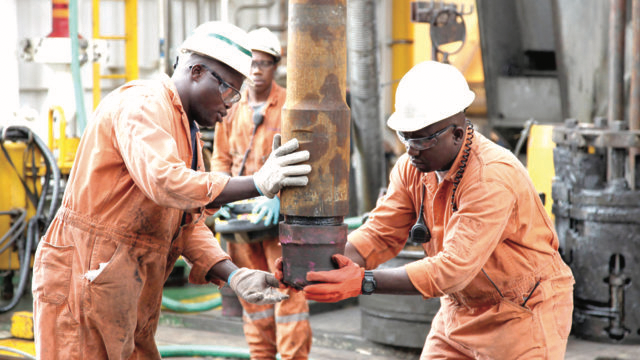
The Minister of State for Petroleum Resources (Oil), Heineken Lokpobiri, has called for a clear and time-bound implementation plan to achieve the Federal Government’s crude oil production target of 2.5 million barrels per day, stressing that immediate and coordinated action is essential to meeting the ambitious goal.
The minister emphasized that increasing crude oil production remains critical to Nigeria’s economic growth, revenue generation, foreign exchange earnings, and overall fiscal stability. Therefore, he urged stakeholders across the oil and gas value chain to align their efforts and accelerate actions capable of delivering measurable results within a defined timeframe.
Furthermore, Lokpobiri noted that Nigeria possesses the resources, expertise, and capacity required to significantly increase production if all relevant institutions and industry players work together with a shared sense of urgency and purpose.
Oil Production Remains Vital to Economic Growth
According to the minister, crude oil continues to play a strategic role in supporting Nigeria’s economy despite ongoing efforts to diversify revenue sources.
He explained that higher production levels would strengthen government revenues, improve foreign exchange inflows, support infrastructure development, and provide additional resources for national development programmes.
Moreover, increased production would enhance investor confidence and reinforce Nigeria’s position as one of Africa’s leading energy producers.
Lokpobiri stressed that achieving the 2.5 million barrels per day target would contribute significantly to broader economic reform efforts currently being pursued by the administration of President Bola Ahmed Tinubu.
Need for a Clear Roadmap
The minister emphasized that ambitious targets require practical execution strategies backed by specific timelines, measurable milestones, and accountability mechanisms.
Therefore, he called for the development of a comprehensive implementation framework that clearly outlines responsibilities, performance benchmarks, and expected outcomes.
Furthermore, he noted that a structured roadmap would enable stakeholders to track progress effectively while identifying and addressing challenges before they escalate.
Such an approach, he said, would improve coordination and ensure that efforts remain focused on achieving the desired production levels.
Collaboration Across the Industry
Lokpobiri highlighted the importance of collaboration among government agencies, regulatory institutions, oil producers, investors, host communities, and security agencies.
He observed that sustainable production growth depends on strong partnerships capable of addressing operational, regulatory, and security challenges affecting the sector.
Moreover, effective collaboration can help accelerate project execution, improve operational efficiency, and create a more attractive environment for investment.
The minister maintained that no single institution can achieve the production target alone, making collective action essential.
Addressing Industry Challenges
The minister acknowledged that the oil and gas sector continues to face several challenges, including crude oil theft, pipeline vandalism, infrastructure constraints, and investment concerns.
However, he expressed confidence that these obstacles can be overcome through decisive leadership, improved security measures, regulatory reforms, and stronger stakeholder engagement.
Furthermore, ongoing efforts to enhance transparency, strengthen industry governance, and improve operational efficiency are expected to support production growth in the coming years.
Lokpobiri stressed that addressing these challenges quickly and effectively remains crucial to achieving the government’s objectives.
Supporting the Renewed Hope Economic Agenda
The minister noted that increasing oil production aligns closely with the broader economic priorities of the Tinubu administration.
Higher production levels would not only improve government revenues but also support economic stability, job creation, industrial development, and increased investor confidence.
Moreover, stronger performance in the petroleum sector would provide additional momentum for ongoing reforms aimed at transforming Nigeria’s economy and improving living standards for citizens.
According to him, the energy sector remains one of the key drivers of the country’s development aspirations.
A Call for Immediate Action
As Nigeria seeks to maximize the potential of its vast hydrocarbon resources, Lokpobiri urged stakeholders to move beyond discussions and focus on concrete actions that deliver results.
Furthermore, he emphasized that time remains a critical factor in achieving the 2.5 million barrels per day target and that delays could affect the pace of progress.
The minister concluded that with effective coordination, strong leadership, strategic investments, and unwavering commitment from all stakeholders, Nigeria can achieve its production goals and unlock greater economic opportunities for the benefit of the nation and future generations.
About The Author