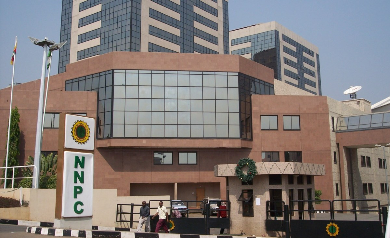
A fresh controversy has emerged in Nigeria’s petroleum sector following allegations by Momoh that two Nigerian oil blocks were awarded to individuals he described as friends of NNPC Ltd Group Chief Executive Officer, Bayo Ojulari.
The allegation has triggered a response from NNPC Ltd and the Nigerian Upstream Regulatory Commission (NUPRC) as questions continue to emerge over the transparency and process surrounding the award of oil assets.
Momoh’s comments add another layer to the ongoing debate about corporate governance, transparency, and accountability within Nigeria’s petroleum industry.
Allegations of Favouritism
Momoh alleged that two oil blocks were awarded to individuals connected to Ojulari.
Furthermore, the allegation raises questions about whether proper procedures were followed during the allocation of the petroleum assets.
However, the claim remains an allegation and should be distinguished from established facts unless supported by official findings or documentary evidence.
Transparency remains essential.
Oil assets require accountability.
Regulatory decisions demand public confidence.
NNPC Ltd Responds
NNPC Ltd has rejected the allegations and defended its operations and leadership.
Furthermore, the company has maintained that its activities should be assessed through established regulatory and commercial processes rather than unverified claims.
Corporate governance requires clear procedures.
Public companies require accountability.
Transparent processes strengthen credibility.
NUPRC Under Scrutiny
The NUPRC, as the upstream petroleum regulator, also faces attention over the oil-block allocation process.
Furthermore, stakeholders are likely to focus on the criteria used to assess applicants, the applicable regulations, and whether the process complied with Nigeria’s petroleum-sector framework.
Regulation must remain independent.
Licensing requires clear standards.
Public resources require proper oversight.
Why Oil Block Awards Matter
Oil blocks represent valuable national assets.
Furthermore, the allocation of such assets can influence investment, production, government revenue, and Nigeria’s broader energy security.
Transparent licensing attracts investors.
Fair competition strengthens the industry.
Responsible management protects national interests.
The Bigger Governance Question
The controversy comes amid wider discussions about transparency and accountability within Nigeria’s oil and gas industry.
Furthermore, the petroleum sector has undergone significant institutional changes following reforms designed to improve regulation, investment, production, and commercial efficiency.
Effective reforms require trust.
Trust depends on transparency.
Accountability strengthens institutions.
Ojulari’s Leadership Under Focus
The allegations also place renewed attention on Bayo Ojulari’s leadership of NNPC Ltd.
Furthermore, the company’s performance, governance structure, investment decisions, and relationship with regulators are likely to remain subjects of public and industry scrutiny.
Leadership requires accountability.
Performance requires measurable evidence.
Strong governance protects institutions.
Looking Ahead
The dispute over the alleged award of two Nigerian oil blocks to individuals described by Momoh as friends of Bayo Ojulari highlights the importance of transparency in managing Nigeria’s petroleum assets.
NNPC Ltd and NUPRC’s response will remain central to understanding the controversy, while further documentary evidence or official findings could help clarify the circumstances surrounding the awards.
For Nigeria’s petroleum industry, the wider issue extends beyond individual personalities. It concerns whether oil assets are allocated through transparent, competitive, and properly regulated processes that protect the national interest and maintain investor confidence.
About The Author