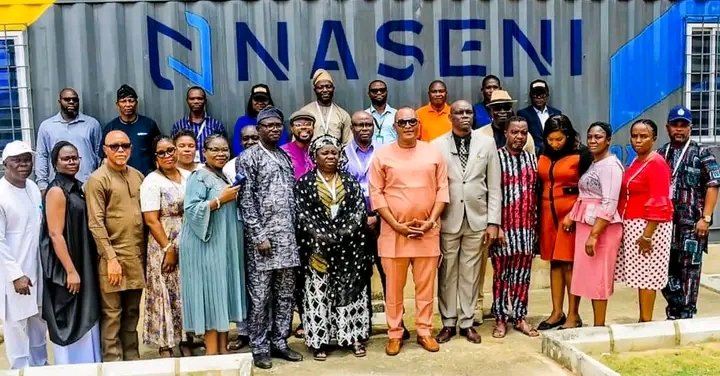
The Ondo State Oil Producing Areas Development Commission (OSOPADEC) has launched a strategic partnership with the Engineering Materials Development Institute (EMDI), Akure, in a move aimed at accelerating industrial growth, improving technical capacity, and expanding youth empowerment programmes within the Ilaje and Ese-Odo council areas of Ondo State.
The collaboration reflects growing efforts to strengthen economic opportunities and industrial development within oil-producing communities that have historically demanded greater inclusion, infrastructure investment, and sustainable empowerment initiatives.
Across Nigeria’s oil-producing regions, conversations increasingly focus on long-term development strategies capable of creating employment opportunities and reducing economic dependence on crude oil activities alone.
The new OSOPADEC partnership appears aligned with this broader vision.
Why Oil-Producing Communities Need Sustainable Development
Oil-producing communities remain critically important to Nigeria’s economy.
For decades, regions contributing significantly to the country’s oil revenues have frequently demanded stronger investment in infrastructure, education, healthcare, environmental protection, and economic empowerment.
Many communities continue facing developmental challenges despite their economic contributions.
Limited industrial infrastructure, youth unemployment, environmental pressures, and inadequate technical training opportunities often affect long-term economic stability within these regions.
Consequently, development-focused interventions remain increasingly important.
Sustainable growth frequently requires more than resource extraction alone.
Industrial diversification, technical education, entrepreneurship support, and local capacity development often determine whether communities achieve lasting economic transformation.
The Importance of Industrial Development
Industrial growth remains one of the strongest drivers of economic progress globally.
Communities with stronger manufacturing, technical training, and engineering ecosystems frequently experience broader employment opportunities, improved productivity, and higher economic resilience.
For many oil-producing regions, industrial diversification is becoming increasingly necessary.
Global conversations surrounding energy transition and renewable technologies continue highlighting the importance of preparing local economies for future competitiveness beyond crude oil dependence.
Partnerships focused on engineering and technical development may therefore play important long-term roles.
What the OSOPADEC–EMDI Partnership Represents
The partnership between Ondo State Oil Producing Areas Development Commission and the Engineering Materials Development Institute reflects a broader strategy aimed at combining institutional expertise with community-focused development initiatives.
Technical institutions frequently provide critical support involving engineering knowledge, innovation systems, industrial research, and skills training.
By collaborating with EMDI, OSOPADEC may strengthen opportunities involving technical education, local manufacturing exposure, and industrial skill development for young people within affected communities.
Knowledge-based empowerment increasingly matters within modern economies.
Communities capable of developing technical expertise often position themselves more competitively within industrial and innovation-driven sectors.
Youth Empowerment Remains Central
Youth unemployment continues representing one of Nigeria’s most pressing socio-economic challenges.
Millions of young Nigerians seek opportunities involving employment, entrepreneurship, technical education, and vocational training capable of improving financial independence and long-term stability.
Oil-producing areas frequently experience additional social pressures linked to unemployment and economic inequality.
Consequently, youth-focused empowerment programmes remain critically important for community stability and long-term development.
Technical skills training often creates practical opportunities.
Engineering, fabrication, industrial maintenance, renewable energy systems, and manufacturing-related skills frequently improve employability and entrepreneurship potential.
The OSOPADEC initiative appears focused on strengthening these pathways.
Why Technical Education Matters
Technical and vocational education increasingly drives industrial productivity globally.
Countries investing heavily in engineering skills, vocational training, and industrial innovation often experience stronger manufacturing growth and technological advancement.
Nigeria continues seeking stronger industrial competitiveness.
However, achieving this objective frequently requires expanding technical expertise among younger populations capable of supporting manufacturing, engineering, and industrial ecosystems.
Institutions like the Engineering Materials Development Institute therefore remain strategically important.
Technical knowledge supports innovation, infrastructure maintenance, and local production capacity development.
The Strategic Importance of Ilaje and Ese-Odo
The Ilaje and Ese-Odo council areas occupy important positions within Ondo State due to their proximity to oil-producing activities and coastal economic potential.
These communities possess opportunities involving fisheries, maritime activities, oil services, agriculture, and emerging industrial sectors.
However, infrastructure limitations and economic challenges have frequently affected broader development outcomes.
Targeted industrial and technical empowerment programmes may help strengthen local productivity and economic participation significantly.
Community-focused development often produces wider social benefits.
When local populations gain access to skills, employment opportunities, and entrepreneurship support, economic stability frequently improves across households and communities.
Industrial Partnerships and Local Capacity Building
Modern industrial development increasingly depends on partnerships.
Governments, technical institutions, research centres, and private sector organizations frequently collaborate to accelerate innovation, technical training, and infrastructure expansion.
Public institutions alone often cannot achieve industrial transformation independently.
Strategic collaboration allows expertise sharing, technology transfer, and stronger operational efficiency capable of supporting broader economic growth.
The OSOPADEC–EMDI partnership reflects this increasingly common development approach.
Building local capacity remains especially important.
Communities equipped with stronger technical skills frequently adapt better to economic changes and industrial opportunities.
Why Community Development Matters for Stability
Economic empowerment frequently contributes positively to social stability.
Communities experiencing high unemployment and limited economic opportunities often face increased social tensions, migration pressures, and insecurity concerns.
Development initiatives focused on skills training and entrepreneurship may help reduce these pressures over time.
Youth inclusion remains especially important.
Young people equipped with employable skills and economic opportunities often contribute more actively toward community development and local innovation.
Consequently, empowerment programmes frequently influence broader societal outcomes beyond employment statistics alone.
Challenges Facing Industrial Growth in Nigeria
Despite increasing development initiatives, Nigeria’s industrial sector still faces major structural challenges.
Power supply instability, financing limitations, transportation costs, weak infrastructure, and inconsistent industrial policy environments frequently affect productivity and investment confidence.
Technical education gaps also remain significant.
Many industries continue requiring more skilled technicians, engineers, and vocational professionals capable of supporting industrial expansion.
Therefore, programmes focused on technical capacity development remain increasingly valuable.
Long-term success frequently depends on sustained implementation and institutional consistency.
Looking Ahead
The partnership between Ondo State Oil Producing Areas Development Commission and the Engineering Materials Development Institute signals growing recognition that sustainable development within oil-producing communities must extend beyond resource extraction alone.
As technical training, industrial partnerships, and youth empowerment initiatives continue expanding across Ilaje and Ese-Odo communities, many residents hope for stronger economic opportunities and broader local development.
Ultimately, the future strength of oil-producing regions may increasingly depend on how effectively institutions invest in human capital, technical knowledge, and industrial diversification capable of supporting long-term prosperity.
About The Author