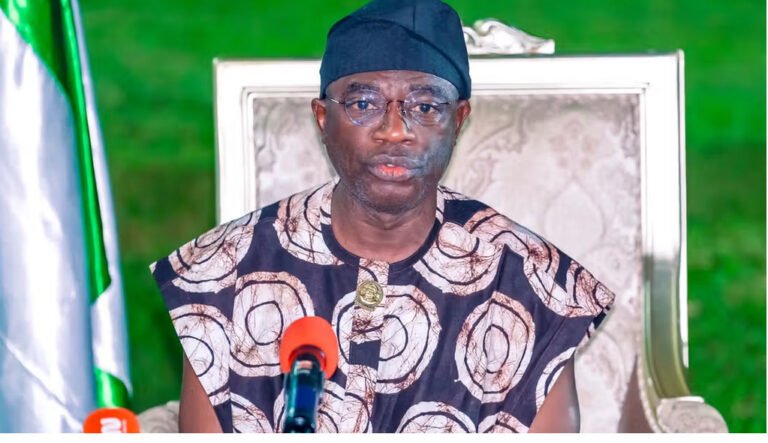
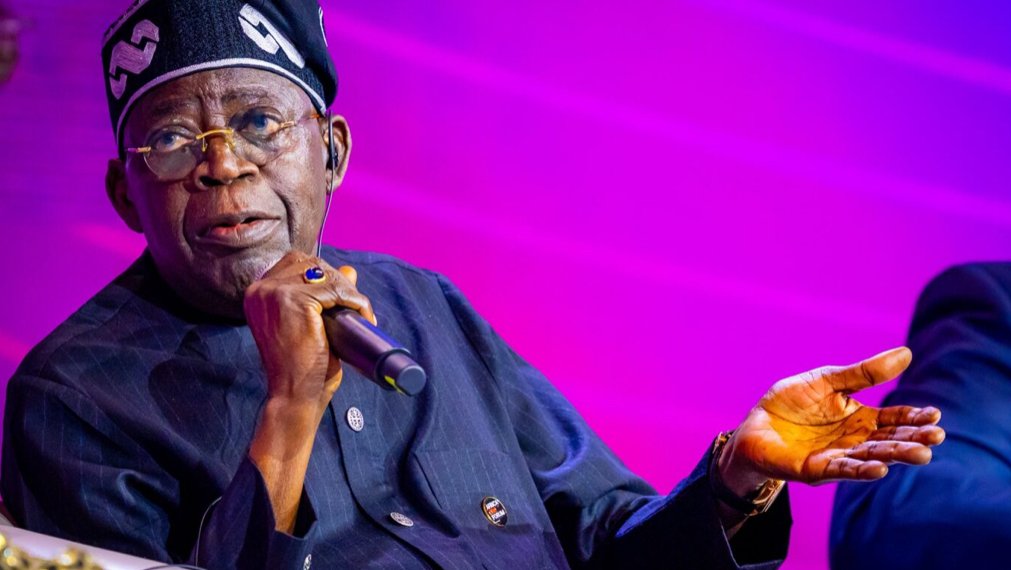
The Governor of Borno State, Babagana Umara Zulum, has reaffirmed the commitment of the people of the state to support Bola Ahmed Tinubu and all candidates of the All Progressives Congress (APC) in the forthcoming General election .
The declaration adds to the growing wave of political mobilisation and strategic positioning already taking shape across Nigeria ahead of the next presidential election cycle.
Although the 2027 elections remain some years away, political conversations, alliances, endorsements, and grassroots mobilisation activities continue gaining momentum nationwide as parties and stakeholders begin consolidating support structures.
Governor Zulum’s statement reflects the increasing political significance of regional endorsements within Nigeria’s democratic process.
Why Borno State Remains Politically Important
Borno State remains one of the most politically influential states in Northern Nigeria.
Beyond its electoral significance, the state has frequently occupied national attention due to security challenges, humanitarian concerns, reconstruction efforts, and regional development initiatives over the years.
Political support from Borno often carries broader symbolic importance within national politics.
The state continues playing a strategic role within Northern political dynamics and the wider structure of the All Progressives Congress.
Therefore, endorsements from influential political leaders within the state frequently attract national attention.
Zulum’s Influence Within Northern Politics
Babagana Umara Zulum continues earning recognition across Nigeria for his leadership style, infrastructure interventions, education reforms, humanitarian initiatives, and security-related efforts within Borno State.
His governance approach has frequently attracted public attention beyond regional politics.
Consequently, political statements made by the governor often resonate nationally, especially within conversations involving governance, development, and party politics.
His reaffirmation of support for President Tinubu signals continued alignment between the Borno political structure and the APC-led federal administration.
This may further strengthen political cohesion within the party ahead of future elections.
Why Early Political Endorsements Matter
Political endorsements remain important components of democratic systems.
They frequently help political parties consolidate support, strengthen alliances, and shape public narratives ahead of election cycles. Consequently, early endorsements often influence grassroots mobilisation and political momentum.
Modern political campaigns increasingly begin years before elections officially hold.
Political stakeholders now focus heavily on long-term engagement strategies involving community outreach, support group mobilisation, youth participation, and public visibility.
Early political positioning frequently determines organizational strength later.
The endorsement by Governor Zulum reflects this broader reality within Nigerian politics.
Tinubu’s Presidency and Growing Political Support
Bola Ahmed Tinubu continues receiving endorsements and political backing from party stakeholders, support organizations, regional leaders, and advocacy groups across different parts of the country.
Supporters frequently cite ongoing economic reforms, infrastructure development, digital economy expansion, and governance initiatives as reasons for continued support.
Political continuity remains a central argument among many supporters.
Advocates of the administration often argue that long-term reforms require sustained leadership and policy consistency to achieve measurable national transformation.
This narrative continues shaping political discussions nationwide.
The Role of APC in Nigeria’s Political Landscape
The All Progressives Congress remains one of Nigeria’s dominant political parties.
Since assuming power at the federal level in 2015, the party has maintained significant influence across multiple states and regions nationwide.
Internal unity and regional support structures frequently determine party strength.
Consequently, endorsements from governors, lawmakers, party stakeholders, and grassroots organizations remain strategically important ahead of future elections.
Political consolidation often begins long before formal campaigns start.
The growing wave of declarations supporting APC candidates ahead of 2027 reflects ongoing efforts to strengthen party cohesion nationwide.
Grassroots Mobilisation and Electoral Strategy
Grassroots mobilisation remains one of the most important factors influencing electoral success in Nigeria.
Political parties frequently depend on local structures, community leaders, youth organizations, and support groups to build voter engagement and maintain political visibility.
Community-based political networks often shape election outcomes significantly.
Therefore, endorsements from influential political figures frequently help strengthen mobilisation activities across states and regions.
Northern Nigeria remains especially important within national electoral calculations due to its large voting population and strategic political influence.
Support from influential Northern leaders frequently shapes broader political momentum nationwide.
The Importance of Political Stability
Political stability remains critically important for governance continuity and long-term development planning.
Frequent political uncertainty often affects investor confidence, policy implementation, and national development programmes. Consequently, political leaders frequently emphasize stability and continuity within governance discussions.
Supporters of continuity frequently argue that sustained leadership allows governments to complete long-term infrastructure, economic, and institutional reforms.
However, democratic systems also depend on healthy political competition and public accountability.
Nigeria’s democracy continues evolving through these competing perspectives.
Youth Participation and Changing Political Conversations
Nigeria’s political environment is also changing rapidly due to increasing youth participation and digital political engagement.
Young Nigerians now engage more actively through social media discussions, civic advocacy, entrepreneurship conversations, and issue-based political debates.
Political organizations increasingly recognize the importance of engaging younger demographics.
Consequently, mobilisation strategies now extend beyond traditional rallies into digital communication, online campaigns, and youth-focused policy conversations.
This evolving political culture continues reshaping Nigeria’s democratic landscape.
Challenges Facing Nigeria Ahead of 2027
Despite increasing political mobilisation, Nigeria still faces major governance and economic challenges.
Inflation, unemployment, insecurity, infrastructure gaps, exchange rate pressures, and rising living costs remain important public concerns nationwide.
Citizens increasingly expect political leaders to deliver measurable improvements involving economic stability, social welfare, education, healthcare, and employment opportunities.
Therefore, future political campaigns may increasingly focus on governance performance alongside party loyalty and regional influence.
Public expectations continue rising steadily.
The Bigger Political Picture
Governor Zulum’s endorsement reflects broader political movements already shaping the road toward the 2027 elections.
Across Nigeria, political parties, support organizations, regional leaders, and advocacy groups continue strengthening alliances and consolidating structures ahead of another highly anticipated electoral cycle.
The political atmosphere will likely become more active over the coming years.
Public debates, endorsements, coalition building, and grassroots mobilisation efforts are expected to intensify nationwide as political stakeholders position themselves strategically.
Looking Ahead
The reaffirmation of support for Bola Ahmed Tinubu and All Progressives Congress candidates by Babagana Umara Zulum highlights the growing political momentum already surrounding the 2027 general elections.
As political activities continue expanding across Nigeria, endorsements from influential leaders and regional stakeholders will likely play important roles in shaping future political alignments and campaign dynamics.
Ultimately, Nigeria’s democratic future will continue being shaped by political participation, public engagement, governance performance, and the evolving aspirations of millions of citizens across the country.
About The Author