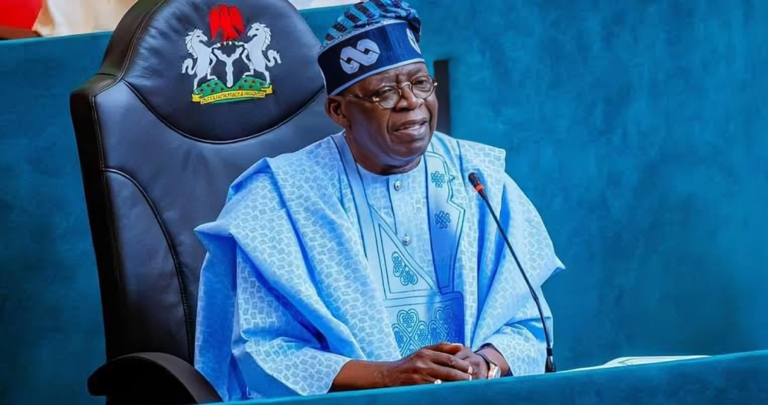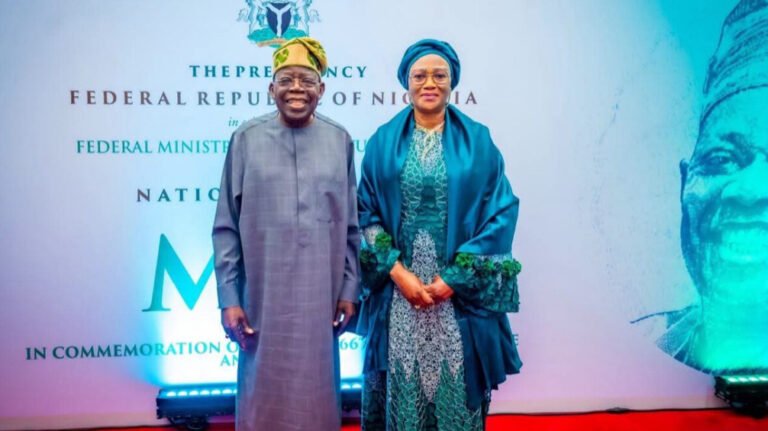
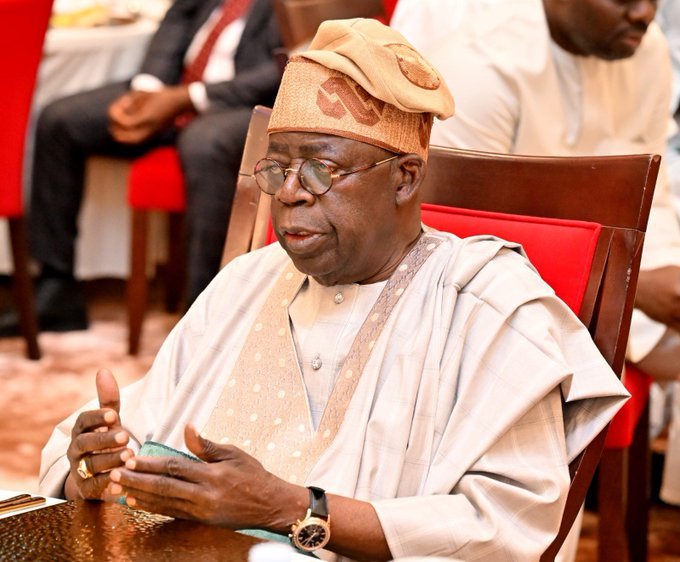
The latest development from the Presidency was officially disclosed in a statement issued on Thursday by Bayo Onanuga, the Special Adviser to Bola Ahmed Tinubu on Information and Strategy.
According to the statement, the Presidency reaffirmed its commitment to strengthening modern governance, improving public engagement, and ensuring that Nigerians remain adequately informed about important national matters. Therefore, the announcement reflects the administration’s continued emphasis on strategic communication as an essential part of effective governance.
In modern democracies, official communication remains one of the most important tools for leadership and public accountability.
Why Presidential Statements Shape Public Understanding
Presidential statements often influence national conversations.
Citizens, institutions, businesses, and international observers frequently rely on official government communication to understand policy direction, leadership priorities, and national developments. Therefore, statements issued by the Presidency usually carry significant political and administrative importance.
Clear communication reduces uncertainty.
When governments explain decisions openly and promptly, public confidence often improves because citizens gain better understanding of national issues and policy objectives. Consequently, official statements help reduce misinformation, speculation, and confusion.
Public information also supports democratic participation.
The Strategic Role of Bayo Onanuga
Bayo Onanuga continues playing an important role within the communication structure of the Tinubu administration.
As Special Adviser on Information and Strategy, his responsibility involves presenting government positions, clarifying policy decisions, and coordinating public communication on behalf of the Presidency. Therefore, his office serves as a major channel between the Federal Government and the Nigerian public.
Strategic communication influences governance outcomes.
Governments increasingly depend on communication professionals to explain policies, address concerns, and maintain institutional credibility within fast-moving information environments.
Public engagement remains central to modern leadership.
Tinubu Administration and Governance Communication
The administration of Bola Ahmed Tinubu has consistently emphasized reforms, economic restructuring, infrastructure development, investment attraction, and institutional strengthening.
As these reforms continue unfolding across Nigeria, communication has become increasingly important for helping citizens understand the purpose and long-term goals of government policies. Therefore, official statements from the Presidency remain critical for maintaining public awareness and national dialogue.
Policy communication supports transparency.
Citizens often expect governments to explain decisions involving the economy, security, governance, and development initiatives clearly and consistently.
Transparency also strengthens trust in institutions.
The Importance of Information Management in Governance
Modern governance depends heavily on information flow.
Governments today operate within highly connected digital environments where information spreads rapidly across television, newspapers, websites, and social media platforms. Therefore, official communication structures must respond quickly and accurately to national developments.
Information management shapes public perception.
Effective communication helps governments maintain credibility while ensuring that official positions remain clear and consistent across multiple communication channels.
Accurate information also supports national stability.
How Communication Supports Democratic Accountability
Democracy functions best when citizens remain informed.
People often evaluate governments based on policy performance, transparency, and responsiveness to national concerns. Therefore, official statements play an important role in strengthening democratic accountability and civic participation.
Communication encourages public understanding.
When leadership explains national priorities and policy decisions clearly, citizens often engage more constructively with governance processes and public discussions.
Accountability depends partly on openness.
The Media’s Role in Amplifying Government Information
The media continues serving as a vital bridge between government and society.
Television stations, newspapers, radio platforms, and digital media outlets help distribute presidential statements and official announcements to millions of Nigerians daily. Therefore, government communication and media operations remain closely connected within democratic systems.
Digital media has transformed public engagement.
Today, information reaches audiences faster than ever before, increasing both opportunities and challenges for governments managing public communication.
Speed and accuracy now matter greatly.
Challenges Facing Government Communication
Public communication has become increasingly complex.
Governments must now respond to misinformation, online speculation, political criticism, and rapidly changing public narratives. Therefore, maintaining consistent and credible communication requires strategic coordination and careful messaging.
Misinformation spreads quickly online.
Official statements often become necessary to correct false narratives and provide verified information regarding government activities and national issues.
Credibility remains essential in public communication.
Why Citizens Value Timely Official Information
People expect regular updates from leadership.
In periods involving economic reforms, political activities, security concerns, or national development programmes, citizens usually seek clarity from official government sources. Therefore, presidential statements remain highly important for maintaining public awareness and confidence.
Timely communication reduces uncertainty.
Clear information helps businesses, institutions, and individuals make informed decisions regarding national developments.
Public trust grows through transparency.
Looking Ahead
Government communication will likely become even more important.
As technology continues changing how information spreads, leadership institutions across Nigeria may increasingly prioritize strategic communication, digital engagement, and public information management.
Communication will remain central to governance effectiveness.
Strong information systems often support stronger democratic institutions, policy awareness, and national cohesion.
Conclusion: Communication as a Pillar of Effective Leadership
The statement issued by Bayo Onanuga on behalf of Bola Ahmed Tinubu highlights the growing importance of strategic communication within modern governance and democratic administration.
As governments continue managing reforms, economic challenges, and national development priorities, transparent and effective communication remains essential for strengthening public understanding, institutional credibility, and democratic accountability.
Ultimately, official communication serves not only as a tool for information sharing but also as a critical foundation for trust, participation, and national development within Nigeria.
About The Author