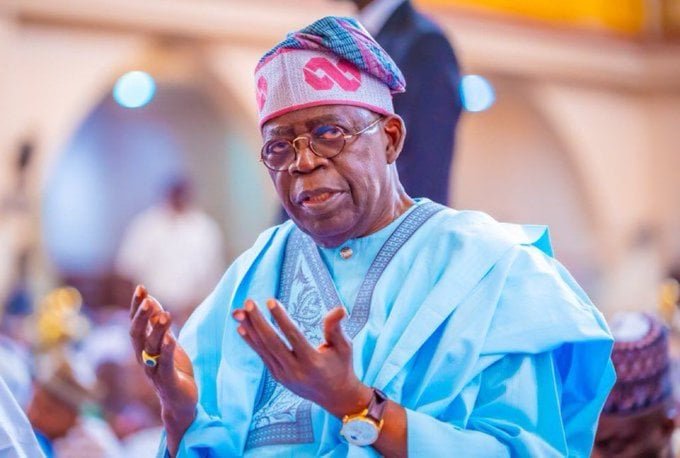

Few Nigerians without an elected office attract as much public attention as Seyi Tinubu. Every state he visits, every youth event he attends, and every meeting he holds with traditional rulers quickly becomes headline news. Supporters celebrate his growing involvement in community development. Critics, however, often question his intentions.
This growing debate has transformed Seyi Tinubu into one of Nigeria’s most closely watched public figures.
Yet beneath the controversy lies a more important conversation. Has Seyi Tinubu earned his growing profile through consistent engagement, or has his famous surname become the lens through which every action receives political interpretation?
The answer depends largely on perspective.
A New Generation of Public Engagement
Unlike many prominent political relatives who prefer to remain behind the scenes, Seyi Tinubu has consistently appeared at youth empowerment programmes, business forums, educational initiatives, and charitable events across Nigeria.
His visits frequently include conversations with entrepreneurs, students, religious leaders, community organizations, and traditional institutions.
Supporters believe this approach reflects genuine interest in young Nigerians.
They argue that leadership begins with listening.
Instead of limiting himself to boardrooms or exclusive gatherings, Seyi Tinubu has repeatedly chosen direct engagement with ordinary citizens.
That visibility has strengthened his public profile.
It has also increased public expectations.
Why Critics See Politics
Not everyone views these activities in the same way.
Because Seyi Tinubu is the son of President Bola Ahmed Tinubu, every public appearance naturally attracts political interpretation.
Some observers argue that his nationwide engagements resemble early political positioning.
Others believe the attention simply reflects Nigeria’s highly charged political environment.
However, no official declaration has confirmed that Seyi Tinubu intends to seek elective office.
Consequently, much of the debate centers on public perception rather than established fact.
In today’s political climate, appearances often shape narratives long before evidence does.
Supporters See Service, Not Strategy
Those who defend Seyi Tinubu offer a different explanation.
They argue that philanthropy should never become controversial simply because the person involved belongs to a well known political family.
According to supporters, community engagement remains valuable regardless of family background.
Many also point to his support for youth initiatives, educational programmes, entrepreneurship, and humanitarian activities.
They believe these efforts deserve recognition rather than constant suspicion.
From their perspective, encouraging young Nigerians, supporting local communities, and promoting opportunity should unite people instead of dividing them.
The Weight of the Tinubu Name
Public perception rarely exists in isolation.
The Tinubu name carries enormous political significance across Nigeria.
Consequently, every public appearance by Seyi Tinubu attracts levels of scrutiny that most private citizens never experience.
A routine visit quickly becomes political analysis.
A simple meeting generates national debate.
Even photographs often trigger thousands of online reactions.
Supporters argue that few individuals could remain completely free from political interpretation under similar circumstances.
Therefore, they believe critics sometimes judge the surname before examining the substance of the engagement itself.
Youth Development Remains a Powerful Message
One area where many supporters believe Seyi Tinubu has built credibility is youth engagement.
Nigeria has one of the youngest populations in the world.
Millions of young people seek opportunities, mentorship, education, and economic empowerment.
Supporters argue that any public figure willing to invest time in listening to young Nigerians deserves encouragement.
Every interaction may not solve national challenges overnight.
However, meaningful conversations often create lasting partnerships.
Many also believe positive engagement encourages civic participation and entrepreneurship among younger generations.
Traditional Institutions Still Matter
Another recurring point of discussion involves Seyi Tinubu’s meetings with traditional rulers.
Critics sometimes describe these visits as politically significant.
Supporters disagree.
Traditional institutions continue to influence peacebuilding, conflict resolution, community development, and cultural preservation across Nigeria.
Business executives, international organizations, religious leaders, and development partners regularly consult traditional rulers.
Supporters therefore argue that these meetings represent respect for important community institutions rather than evidence of political ambition.
Public Perception Shapes Every Narrative
Modern politics extends far beyond campaign seasons.
Social media has transformed every public appearance into a national conversation.
Within minutes, photographs circulate.
Video clips trend.
Comment sections explode.
Supporters and critics immediately compete to define the narrative.
Unfortunately, balanced conversations often struggle to compete with emotional reactions.
As a result, assumptions frequently spread faster than verified information.
That reality affects many public figures.
Seyi Tinubu remains one of its most visible examples.
The Bigger Picture
Whether Nigerians ultimately admire or criticize Seyi Tinubu will depend on his actions over time rather than on viral headlines alone.
Supporters believe his growing public profile reflects sustained engagement with communities, young people, and traditional institutions.
Critics remain free to question his activities and express different opinions.
That exchange represents an important part of democratic society.
However, supporters also argue that public figures deserve fair evaluation based on evidence instead of assumptions.
As Nigeria continues to evolve politically and economically, public engagement will remain an essential part of national leadership.
Whether viewed through the lens of philanthropy, politics, or public perception, one reality remains difficult to ignore.
Seyi Tinubu has become one of Nigeria’s most recognizable young public figures.
His growing influence continues to spark debate.
Yet his supporters believe the conversation should focus less on speculation and more on the impact of his engagement with communities across the country.
Time will ultimately determine how history remembers his public journey, but for now, one fact is clear.
Wherever Seyi Tinubu goes, Nigerians pay attention. That attention reflects both the opportunities and the responsibilities that come with a prominent public profile.
About The Author