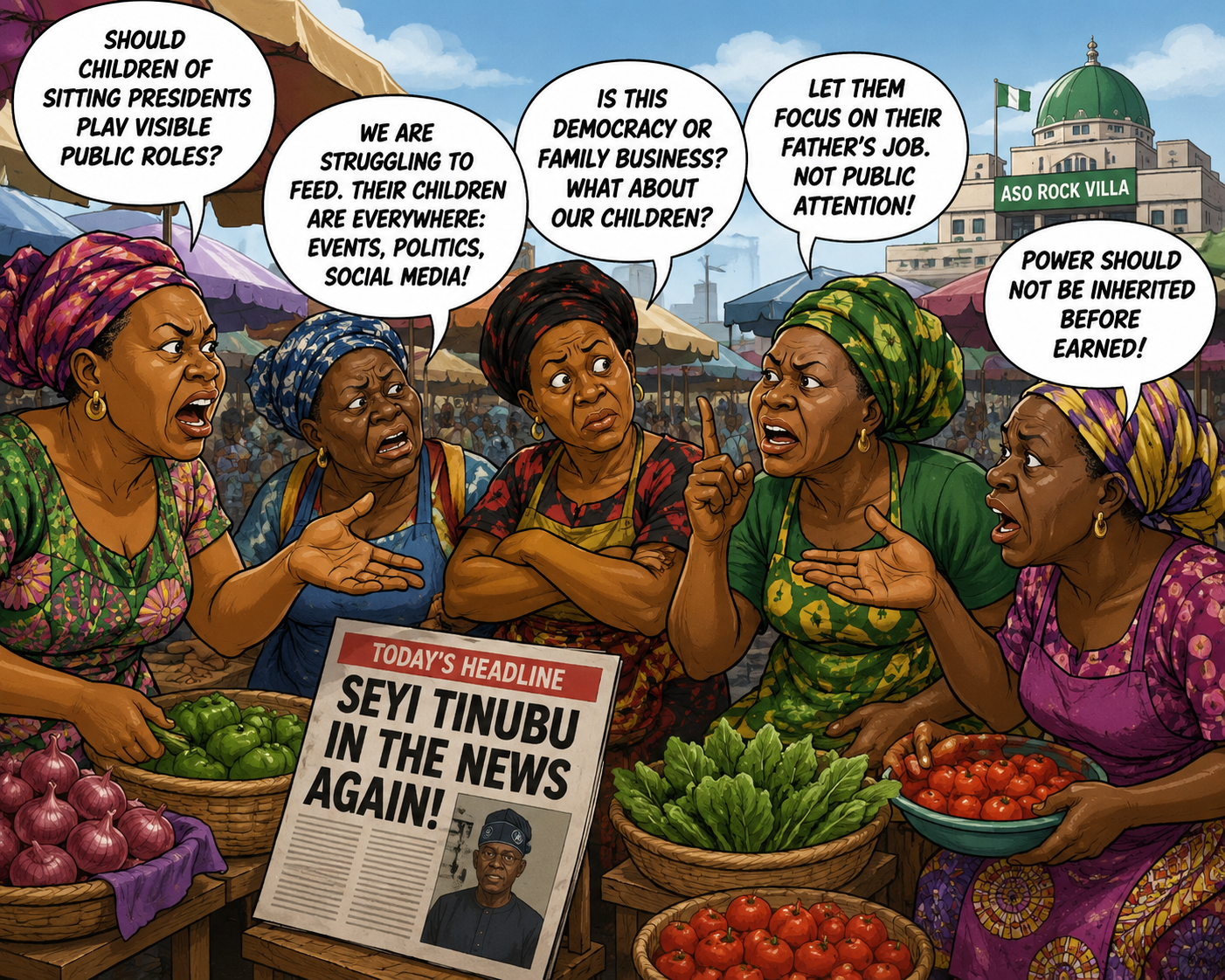
Public life often attracts intense scrutiny. That reality becomes even stronger when someone comes from a presidential family. Seyi Tinubu has experienced this firsthand. Every appearance, speech, and community visit sparks fresh debate. Some Nigerians believe children of sitting presidents should remain largely invisible. Others argue they should enjoy the same freedom to contribute to society as any other citizen. This discussion deserves careful thought rather than emotional reactions.
Public Service Should Not Depend on Family Background
Every Nigerian deserves the opportunity to contribute to national development. That principle should apply equally to children of political leaders. A person’s surname should not automatically prevent meaningful public engagement.
Critics often argue that visibility creates unfair influence. However, visibility alone does not amount to official authority. Public appearances, charitable activities, and youth engagements differ from exercising constitutional power.
Seyi Tinubu has consistently presented himself through youth empowerment initiatives, entrepreneurship discussions, and community outreach. Those activities naturally attract attention because of his family name. Nevertheless, attracting attention should not automatically invite condemnation.
Public Expectations Come With Public Responsibility
Children of presidents inevitably receive greater public attention. That reality creates enormous expectations. Every statement receives analysis. Every action attracts criticism. Every photograph generates countless opinions online.
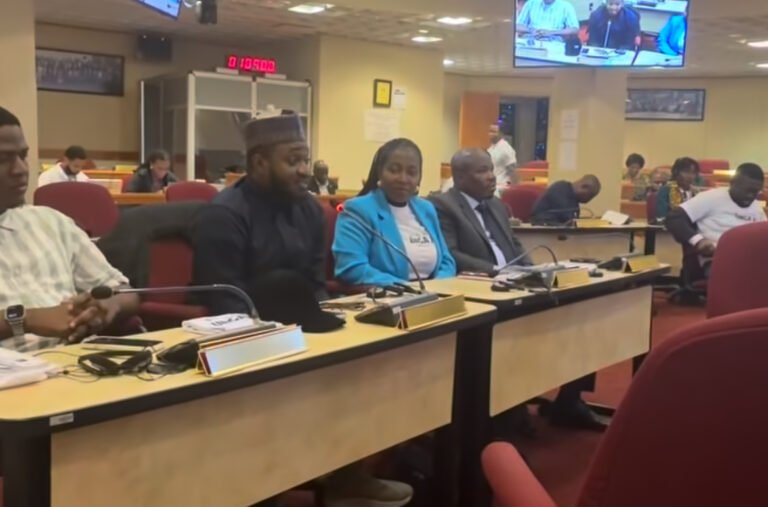
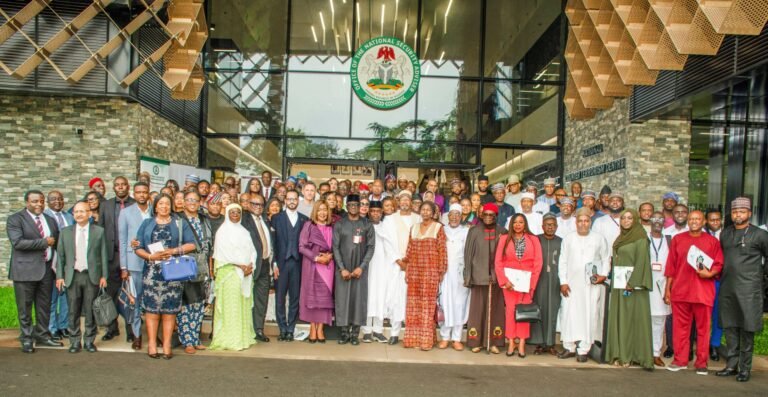
Despite this pressure, Seyi Tinubu has continued engaging young Nigerians across different regions. His visits have encouraged conversations about entrepreneurship, education, innovation, and youth participation.
Many observers believe such engagements encourage greater civic participation. Young Nigerians often appreciate leaders and influencers who meet communities directly instead of remaining distant.
Democracy Benefits From Citizen Participation
Healthy democracies encourage participation from every citizen. Nigeria continues strengthening democratic institutions through broader civic engagement. Young people especially need more opportunities to participate constructively.
Therefore, excluding someone from public engagement solely because of family connections creates another form of unfair discrimination.
Citizens should judge individuals by their conduct, integrity, and contributions. They should avoid making conclusions based exclusively on family relationships.
This principle protects fairness while strengthening democratic values.
Separating Influence From Authority
Many public debates confuse influence with authority. These concepts remain fundamentally different.
Authority comes through constitutional office or legal appointment. Influence develops through public engagement, ideas, communication, or reputation.
Seyi Tinubu does not occupy an elected office. Consequently, discussions surrounding his activities should distinguish between public visibility and governmental authority.
Making this distinction encourages more balanced conversations. It also prevents unnecessary political tension.
Youth Engagement Creates National Opportunities
Nigeria possesses one of Africa’s youngest populations. Consequently, young citizens need more mentors, investors, innovators, and advocates.
Whenever influential Nigerians promote entrepreneurship, education, skills development, or innovation, many young people benefit from those conversations.
Supporters argue that Seyi Tinubu’s interactions with youth groups help inspire ambition and confidence. They believe successful young leaders can motivate others regardless of political backgrounds.
Furthermore, constructive engagement helps reduce political apathy. Instead of remaining disconnected, more young Nigerians become interested in leadership, business, and national development.
Public Scrutiny Remains Necessary
Supporting public participation does not eliminate accountability. Every public figure deserves constructive criticism when necessary.
Open societies encourage questions, transparency, and respectful disagreement. Citizens should continue examining public activities carefully. However, criticism should remain evidence-based rather than driven by assumptions.
Likewise, praise should reflect genuine achievements instead of political loyalty.
Balanced accountability ultimately strengthens democracy.
Moving Beyond Personal Attacks
Unfortunately, modern political discussions frequently become deeply personal. Social media often amplifies rumours, misinformation, and emotional arguments.
Nigeria deserves higher standards.
Public conversations should focus on policies, measurable contributions, and national development. Personal insults rarely improve democratic discourse.
When citizens evaluate public figures objectively, everyone benefits. Facts become more important than speculation. Performance matters more than perception.
Nigeria Needs More Constructive Conversations
Every generation shapes the nation’s future differently. Some contribute through elected office. Others create businesses. Many support education, philanthropy, innovation, or youth empowerment.
These contributions should receive fair evaluation regardless of family background.
Seyi Tinubu’s growing visibility naturally attracts debate. Nevertheless, democratic societies become stronger when citizens assess individuals according to their actions rather than assumptions.
Reasonable Nigerians may still disagree about how visible presidential children should be. That disagreement remains healthy within every democracy.
However, the conversation should remain balanced, respectful, and evidence-driven.
Conclusion
The question should not simply ask whether children of sitting presidents deserve public visibility. Instead, Nigerians should ask whether those individuals contribute positively, respect democratic values, and inspire meaningful national progress.
Every citizen deserves equal opportunities to serve society within the law. Family background alone should neither guarantee influence nor prevent participation.
Ultimately, Nigerians should judge Seyi Tinubu by his conduct, initiatives, and measurable impact. Such an approach promotes fairness, strengthens democracy, and encourages a political culture built on evidence rather than assumptions.
About The Author