Nigeria’s refining sector has long occupied a central position in conversations about the country’s energy security, economic diversification, and industrial development. For decades, the nation’s state-owned refineries operated below their installed capacities, forcing Africa’s largest crude oil producer to rely heavily on imported refined petroleum products despite possessing abundant crude oil resources.
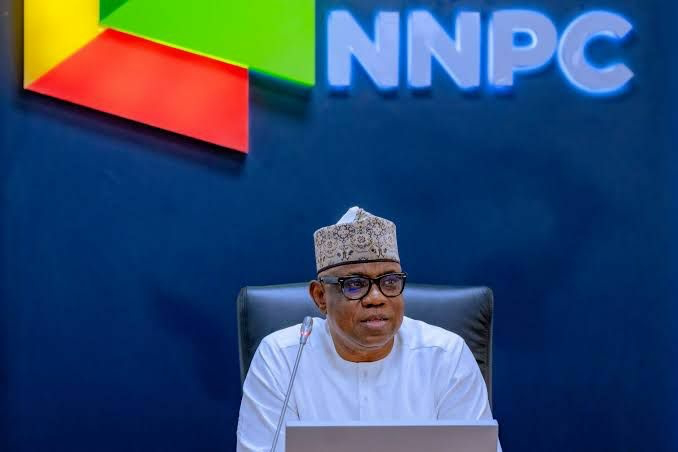
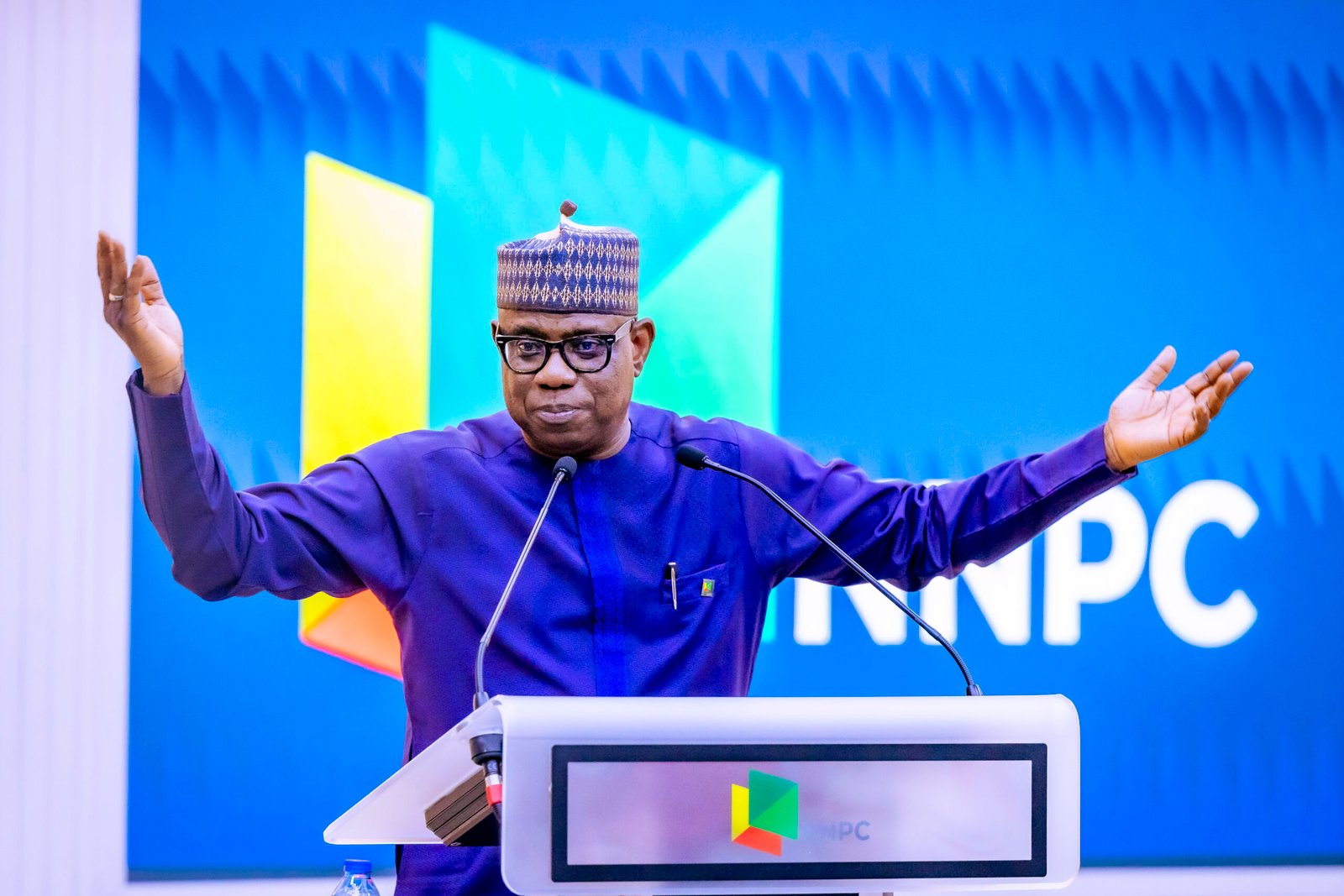
Since assuming office as the Group Chief Executive Officer of the Nigerian National Petroleum Company Limited (NNPCL), Bayo Ojulari has placed renewed emphasis on refinery rehabilitation, operational efficiency, and restoring domestic refining capacity. Supporters of the ongoing reforms describe the effort as an attempt to awaken facilities that many Nigerians had long regarded as dormant.
Furthermore, the renewed focus on refinery operations reflects broader efforts to improve energy security, strengthen local production, reduce import dependence, and support long-term economic growth through a more resilient downstream petroleum sector.
While the full impact of the reforms will become clearer over time, industry stakeholders continue to monitor developments closely as rehabilitation projects and operational improvements progress.
Reviving Strategic National Assets
Nigeria’s refineries remain important national infrastructure.
Furthermore, restoring their operational efficiency has the potential to improve domestic fuel availability while supporting broader industrial activities.
Strategic assets require sustained investment.
Operational efficiency strengthens productivity.
Infrastructure supports national development.
Reducing Import Dependence
Increasing domestic refining capacity could reduce reliance on imported petroleum products.
Furthermore, stronger local production may improve energy security while lowering exposure to disruptions in international supply chains.
Local refining creates value.
Domestic production supports resilience.
Reduced imports conserve resources.
Supporting Foreign Exchange Stability
Lower dependence on imported refined products may also ease pressure on foreign exchange demand.
Furthermore, increased domestic processing allows greater value to remain within the national economy.
Foreign exchange stability supports growth.
Local value addition strengthens competitiveness.
Economic resilience encourages investment.
Improving Operational Efficiency
Industry reforms increasingly focus on efficiency and accountability.
Furthermore, improved maintenance, modern operational practices, and stronger management systems can contribute to better refinery performance over time.
Efficiency improves sustainability.
Good management strengthens institutions.
Performance encourages confidence.
Stimulating Industrial Growth
Reliable access to refined petroleum products supports multiple industries.
Furthermore, manufacturing, transportation, agriculture, logistics, and other sectors depend on consistent energy supply to maintain productivity.
Energy drives industrialisation.
Reliable supply supports investment.
Industrial growth creates opportunity.
Creating Employment Opportunities
Refinery rehabilitation also generates economic opportunities.
Furthermore, engineering, maintenance, logistics, construction, operations, and supporting industries benefit from increased activity within the downstream petroleum sector.
Employment strengthens communities.
Industrial projects create livelihoods.
Economic activity encourages prosperity.
Building Investor Confidence
Successful rehabilitation projects can improve investor sentiment.
Furthermore, demonstrating operational improvements within strategic industries encourages greater domestic and international investment.
Confidence attracts capital.
Investment accelerates development.
Stable institutions encourage growth.
Looking Ahead
The effort to restore Nigeria’s refining capacity under the leadership of NNPCL Group Chief Executive Officer Bayo Ojulari represents an important chapter in the country’s broader energy sector reforms. Furthermore, improved refinery performance has the potential to strengthen energy security, reduce import dependence, support industrial development, conserve foreign exchange, and expand economic opportunities across multiple sectors.
As rehabilitation efforts continue, their long-term success will depend on sustained investment, operational excellence, transparency, effective maintenance, and continued collaboration among government institutions, industry stakeholders, technical experts, and private sector partners committed to building a stronger and more competitive Nigerian energy sector.
About The Author