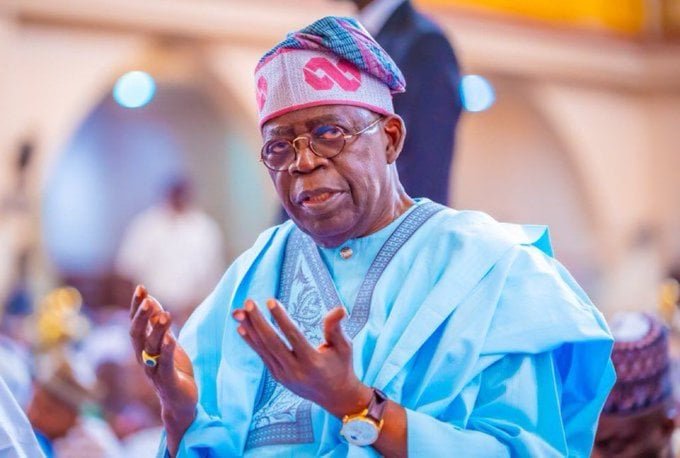
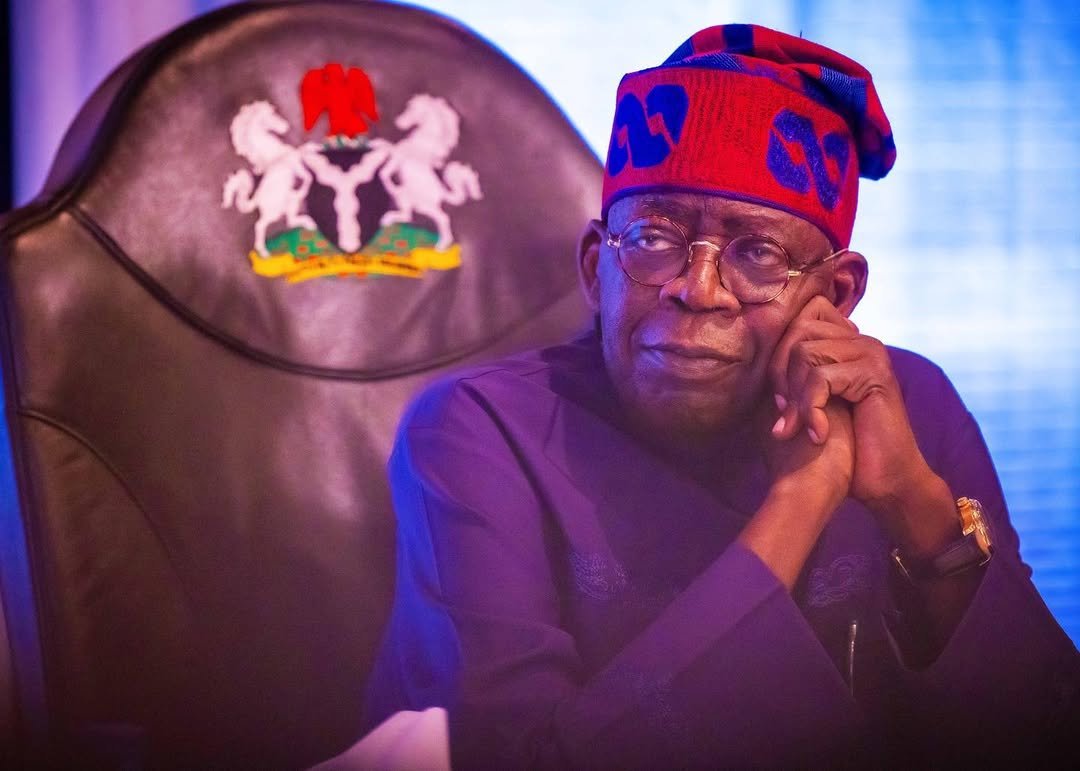
Three years into the administration of President Bola Ahmed Tinubu, public opinion remains sharply divided over the direction of the country and the impact of his policies. Supporters point to reforms and infrastructure investments as evidence of progress, while critics highlight the economic hardship many Nigerians continue to face. Such contrasting views are common in a vibrant democracy where government actions are constantly subjected to public scrutiny.
However, beyond political arguments and daily headlines, a broader assessment of developments across several sectors provides an opportunity to examine the administration’s performance from a wider perspective.
Security and National Stability
One of the areas frequently highlighted by government officials is security. The administration has continued to support military and security operations aimed at combating insurgency, banditry, kidnapping, and other criminal activities across different parts of the country.
Although security challenges remain, the government maintains that increased collaboration among security agencies, improved intelligence gathering, and sustained operations have contributed to progress in restoring stability in some affected communities. Continued investment in security infrastructure and personnel remains a priority as efforts to protect lives and property continue.
Growth in Crude Oil Production
The oil sector has also witnessed renewed attention under the current administration. Increased efforts to curb crude oil theft, improve pipeline security, and encourage investment have contributed to improvements in production levels compared with previous periods.
Higher crude oil output has the potential to strengthen government revenue, improve foreign exchange earnings, and provide additional resources for infrastructure and social development programmes. While the sector still faces structural challenges, renewed focus on production and investment remains an important part of the administration’s economic agenda.
Agriculture and Food Production
Agriculture has continued to receive attention as the government seeks to improve food security and reduce dependence on imports. Programmes designed to support farmers, expand access to agricultural inputs, and encourage mechanized farming are intended to increase productivity and strengthen rural economies.
Investment in agricultural value chains, storage facilities, and rural infrastructure is also expected to contribute to long-term growth while creating employment opportunities for millions of Nigerians engaged in farming and agribusiness.
Education and Human Capital Development
The education sector has remained an important component of national development efforts. Increased attention to student financing initiatives, digital learning, technical education, and infrastructure improvements reflects a broader strategy to strengthen human capital development.
The government has also emphasized skills acquisition and vocational education as essential tools for preparing young Nigerians for opportunities in the modern economy and reducing unemployment through entrepreneurship and innovation.
Infrastructure and Economic Reform
Road construction, railway development, housing projects, and digital infrastructure continue to feature prominently in the administration’s development agenda. These investments are expected to improve connectivity, stimulate commerce, and attract private investment across various sectors.
At the same time, economic reforms aimed at strengthening public finances, improving the investment climate, and expanding domestic revenue generation remain central to the government’s long-term strategy for sustainable growth.
A Record Still Being Written
Three years into President Tinubu tenure, assessments of his administration continue to vary depending on political perspective and economic experience. While supporters point to reforms and sectoral improvements as evidence of progress, critics continue to raise concerns about inflation, the cost of living, and the pace at which ordinary citizens experience the benefits of those reforms.
Ultimately, the administration’s legacy will likely be judged not only by policy announcements but also by measurable improvements in living standards, economic opportunities, security, and public service delivery. As Nigeria moves forward, continued evaluation based on evidence and outcomes will remain essential in determining the long-term impact of the government’s policies and programmes.
About The Author