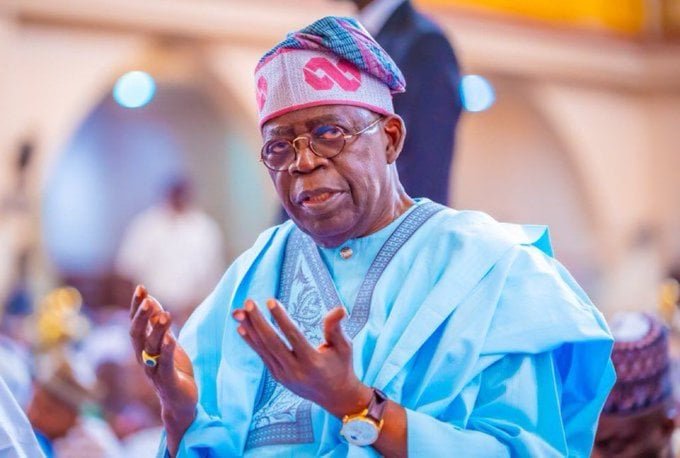
Former Delta State Governor and former vice-presidential candidate, Senator Ifeanyi Okowa, has said that President Bola Ahmed Tinubu assumed office at one of the most challenging periods in Nigeria’s recent history, stressing that the administration has already taken important steps aimed at repositioning the nation’s economy for long-term growth and stability.
According to Okowa, the President inherited an economy facing multiple structural challenges that required difficult but necessary decisions. He explained that meaningful economic transformation often demands courageous leadership, policy consistency, and patience before citizens begin to experience the full benefits of major reforms.
Furthermore, the former governor noted that while economic reforms frequently create short-term adjustments, they also provide the foundation for sustainable growth, stronger public finances, increased investor confidence, and improved national productivity over time.
His remarks come as discussions continue across the country regarding Nigeria’s economic direction, ongoing reforms, investment climate, infrastructure development, and strategies for achieving long-term prosperity.
Leadership During Difficult Times
Senator Okowa observed that President Tinubu assumed office when Nigeria faced significant economic pressures.
Furthermore, he explained that every administration inherits existing realities, making it necessary for new governments to evaluate prevailing conditions before introducing corrective measures capable of addressing long-standing structural problems.
Strong leadership requires difficult decisions.
According to him, national leadership becomes especially important during periods requiring bold reforms, careful planning, and strategic policy implementation.
He argued that successful economic transformation often depends upon leaders willing to implement decisions that strengthen long-term stability.
Economic Reforms Require Patience
The former Delta governor stressed that meaningful economic reforms rarely produce immediate results.
Furthermore, he explained that restructuring major sectors of the economy frequently involves transitional adjustments before sustainable improvements become visible.
Lasting progress takes time.
Countries implementing structural reforms often experience temporary challenges before benefiting from stronger economic fundamentals, improved productivity, and increased investor confidence.
Okowa therefore encouraged Nigerians to evaluate reforms based on their long-term objectives rather than short-term expectations alone.
Building a Stronger Economy
According to Okowa, the administration’s economic policies seek to strengthen Nigeria’s overall economic foundation.
Furthermore, he noted that improving fiscal management, encouraging investment, expanding infrastructure, strengthening institutions, and promoting productivity remain essential components of sustainable economic development.
Strong foundations support future growth.
He argued that economies become more resilient when governments prioritise reforms capable of encouraging private sector expansion, job creation, industrial development, and increased domestic production.
Encouraging Investment
Investment remains one of the most important drivers of economic growth.
Furthermore, stable economic policies frequently encourage both domestic and foreign investors to commit resources toward productive sectors capable of generating employment and expanding business opportunities.
Investment stimulates development.
Okowa explained that stronger investor confidence contributes directly to industrial expansion, technological advancement, infrastructure development, and increased economic competitiveness.
He therefore emphasised the importance of maintaining policy consistency.
Supporting Long-Term Development
The former governor stated that economic transformation should always focus on long-term national prosperity.
Furthermore, he observed that sustainable development requires continuous investment in infrastructure, education, healthcare, agriculture, manufacturing, technology, and human capital development.
Long-term planning creates lasting prosperity.
According to him, governments should remain committed to policies capable of strengthening national productivity while improving opportunities for businesses and citizens.
Such investments produce benefits extending beyond immediate political cycles.
Private Sector Growth Matters
Okowa highlighted the importance of creating an environment where businesses can thrive.
Furthermore, expanding private sector participation strengthens innovation, entrepreneurship, employment generation, and overall economic performance.
Businesses create opportunities.
He explained that government reforms should continue supporting enterprise development while encouraging increased local production capable of reducing import dependence and strengthening Nigeria’s industrial capacity.
Private sector expansion remains essential for sustainable growth.
National Unity Supports Economic Progress
Beyond economic policies, Senator Okowa also stressed the importance of national unity.
Furthermore, cooperation among governments, businesses, communities, and citizens creates stronger conditions for implementing reforms successfully.
Unity strengthens development.
According to him, shared commitment toward national progress enables governments to pursue policies that improve economic performance while promoting social stability.
Constructive engagement therefore benefits everyone.
Hope for Nigeria’s Future
Despite existing economic challenges, Okowa expressed optimism regarding Nigeria’s future.
Furthermore, he maintained that the country possesses enormous human resources, natural wealth, entrepreneurial talent, and economic potential capable of driving sustained national growth.
Optimism encourages resilience.
He urged Nigerians to remain hopeful while continuing to support initiatives capable of expanding opportunities for young people, businesses, investors, and local communities.
According to him, perseverance remains essential during periods of economic transition.
Looking Ahead
Senator Ifeanyi Okowa’s remarks reinforce the view that President Bola Ahmed Tinubu assumed office during one of Nigeria’s most demanding economic periods and has introduced reforms intended to reposition the nation’s economy for sustainable long-term development.
Furthermore, the former Delta State governor expressed confidence that continued implementation of economic reforms, stronger institutional performance, increased investment, improved infrastructure, and greater private sector participation will contribute positively to Nigeria’s future.
As the country continues navigating its economic transformation, policymakers, businesses, investors, and citizens will remain focused on ensuring that ongoing reforms translate into stronger economic growth, expanded employment opportunities, improved living standards, and lasting national prosperity. Through policy consistency, institutional strengthening, productive investment, and collective national effort, Nigeria possesses significant potential to build a more resilient, competitive, and inclusive economy capable of delivering sustainable development for future generations.
About The Author