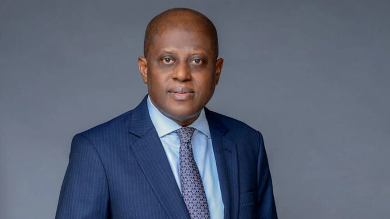
The Governor of the Central Bank of Nigeria (CBN), Mr Olayemi Cardoso, has undertaken high-level engagements in Singapore aimed at strengthening Nigeria’s financial connectivity with Asia through institutional cooperation, financial-market development and innovation.
The engagements included discussions with the Monetary Authority of Singapore (MAS), the signing of a memorandum of understanding with the Global Finance & Technology Network (GFTN), and the Nigeria–Asia Financial Connectivity Dialogue, which the CBN convened in collaboration with J.P. Morgan, Nigerian Exchange Group (NGX) and FMDQ Group.
Together, the engagements reflect the apex bank’s efforts to translate Nigeria’s financial-sector reforms into stronger international partnerships, deeper markets and practical channels for investment, trade and financial innovation.
CBN Strengthens Cooperation With Singapore
During discussions with the Monetary Authority of Singapore, the CBN delegation exchanged views on financial-sector development, regulation, market connectivity and innovation.
The meeting provided an opportunity for both sides to examine their respective financial systems and identify areas of mutual interest for continued engagement.
Singapore’s established position as an international financial centre makes its experience relevant to Nigeria’s efforts to improve market infrastructure, strengthen regulatory capacity and attract international investors.
Moreover, closer institutional relationships could create opportunities for knowledge exchange and cooperation on emerging technologies.
However, the long-term benefits will depend on whether these discussions lead to practical initiatives, stronger institutional links and measurable improvements in financial-market participation.
CBN Signs Financial Innovation Agreement
In another significant development, the CBN and GFTN signed a memorandum of understanding establishing a framework for cooperation on financial innovation.
The agreement is intended to connect relevant institutions and innovation ecosystems in Nigeria and Singapore while providing a platform for identifying practical opportunities for collaboration.
Financial technology continues to reshape banking, payments, regulatory supervision and the delivery of financial services. Consequently, cooperation in this area could help Nigerian institutions explore new approaches to improving efficiency, strengthening risk management and expanding financial inclusion.
Cardoso has highlighted the growing role of financial technology and artificial intelligence in improving financial services and enhancing regulatory capabilities.
Nevertheless, turning these opportunities into tangible benefits will require appropriate safeguards, effective supervision and solutions that address the needs of Nigerian businesses and consumers.
Nigeria–Asia Dialogue Targets Long-Term Investment
The Nigeria–Asia Financial Connectivity Dialogue brought together investors, financial institutions, businesses and Nigerians living and working across Asia.
Convened with J.P. Morgan, NGX and FMDQ Group, the event provided a platform for discussions about Nigeria’s economic reforms, capital formation, foreign-exchange market confidence and the development of deeper financial markets.
At the dialogue, Cardoso outlined Nigeria’s ambition to build financial markets that are deeper, more liquid and better connected to international markets.
He stressed that the country’s objective should extend beyond attracting investment once. Instead, Nigeria needs to create conditions that encourage capital to remain, return and grow over time.
This approach places considerable emphasis on credible monetary policy, stronger governance, predictable regulations and improved market operations.
For businesses, sustained investment can support expansion, create financing opportunities and strengthen links with international markets. However, investors will continue to assess the stability of the policy environment, the availability of reliable market infrastructure and the practical conditions for doing business.
Foreign-Exchange Reforms Remain Central
Nigeria’s foreign-exchange reforms formed an important part of the discussions.
The CBN has maintained that the reforms are intended to address market distortions, improve transparency and strengthen confidence in the rules governing market participation.
Cardoso said credible monetary policy, stronger governance and predictable regulations would remain essential to attracting long-term domestic and international capital.
Moreover, he indicated that financial-market stabilisation should provide a foundation for broader participation by institutional investors, stronger market infrastructure and closer connections with international financial markets.
Nevertheless, investors will continue to examine how these reforms work in practice, particularly in relation to foreign-exchange liquidity, transaction transparency and the ability to conduct and settle international transactions efficiently.
Improving Payments and Financial Connectivity
Beyond attracting investment, the CBN is seeking stronger connections between Nigerian and Asian banks, financial institutions and businesses.
Cardoso identified more efficient payment and settlement channels as an important area for potential cooperation.
Improved financial connectivity could help businesses manage cross-border transactions and strengthen commercial relationships between Nigeria and Asian markets.
In addition, stronger institutional links could create opportunities for knowledge sharing, technology adoption and closer collaboration between financial-market operators.
However, achieving these outcomes will require practical arrangements that address regulatory requirements, transaction costs, operational risks and compatibility between financial systems.
Technology Could Expand Financial Opportunities
Financial innovation also featured prominently in the Singapore engagements.
The CBN’s agreement with GFTN provides a framework for exploring cooperation between institutions and innovation ecosystems in both countries.
Such cooperation could help financial institutions examine emerging technologies and their potential applications in payments, compliance, risk management and financial inclusion.
Furthermore, technology partnerships could support the development of financial services that respond more effectively to the needs of businesses and individuals.
At the same time, innovation must operate within appropriate regulatory safeguards to protect consumers, maintain financial stability and manage operational and cybersecurity risks.
Beijing Engagements to Extend Nigeria’s Asian Outreach
The Singapore engagements form part of a broader programme of financial and institutional engagement across Asia, with further meetings scheduled in Beijing.
The wider outreach is intended to expand Nigeria’s relationships with Asian financial institutions and investors while exploring additional opportunities for market development, technology cooperation and trade.
Singapore and China occupy different positions in Asia’s financial and commercial landscape, offering Nigeria distinct avenues for pursuing international partnerships.
However, the success of the outreach will depend on the extent to which discussions produce concrete investments, institutional agreements and lasting commercial relationships.
Turning Reforms Into Sustainable Investment
Cardoso’s Singapore engagements highlight the CBN’s effort to connect domestic financial-sector reforms with international investment opportunities.
The agenda combines regulatory cooperation, financial innovation, market development and improved connections between financial institutions.
Ultimately, attracting capital consistently requires more than high-level meetings. Investors need confidence in policy direction, transparent markets, reliable infrastructure and clear regulatory frameworks.
For Nigeria, the challenge is to turn international engagement into measurable investment, stronger financial connectivity and opportunities for businesses to expand.
The Singapore discussions and planned Beijing meetings therefore represent another stage in the CBN’s efforts to strengthen Nigeria’s participation in international financial markets and develop partnerships that support the country’s evolving economic priorities.
About The Author