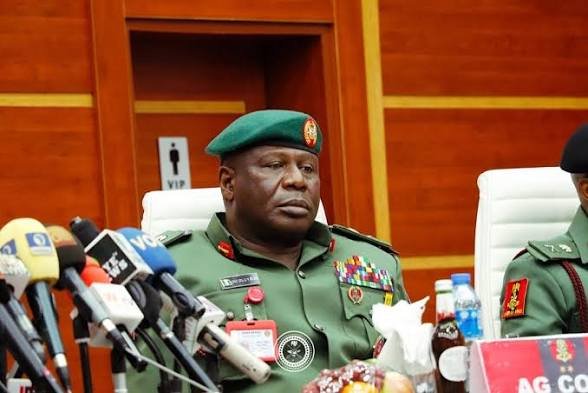
The Defence Headquarters has announced that troops of the Armed Forces of Nigeria neutralised 201 terrorists and arrested 284 suspects during coordinated operations conducted nationwide in April.
This update reflects intensified military efforts to address security challenges across Nigeria. It also highlights a continued focus on disrupting criminal networks and restoring stability.
Coordinated Operations Across Multiple Fronts
Security operations require coordination.
Across different regions, troops carried out targeted missions. These operations focused on areas affected by insurgency, banditry, and other security threats.
Therefore, the results indicate improved synergy among military units. Intelligence gathering, surveillance, and rapid response contributed to the outcomes.
Why the Numbers Matter
Operational results provide measurable indicators.
The neutralisation of 201 terrorists reflects active engagement. The arrest of 284 suspects also supports ongoing investigations.
Moreover, these actions disrupt networks. They weaken the capacity of criminal groups. Consequently, communities experience improved security conditions.
Sustaining Pressure on Threat Actors
Consistency remains critical.
Security agencies must maintain pressure on threat actors. Sporadic action often allows regrouping. However, sustained operations limit that possibility.
The Armed Forces of Nigeria continues to focus on proactive engagement. Therefore, these results demonstrate ongoing commitment.
Balancing Operations with Civil Protection
Security efforts must protect civilians.
While operations target threats, safeguarding communities remains essential. Therefore, adherence to rules of engagement and human rights standards is important.
The role of the Defence Headquarters includes ensuring that operations remain professional and accountable.
Collaboration as a Force Multiplier
Security challenges require collective action.
Military efforts work best when supported by intelligence agencies, local authorities, and communities. Information sharing improves effectiveness.
Therefore, collaboration strengthens outcomes across Nigeria.
Looking Ahead
The results mark progress.
However, challenges remain. Threats continue to evolve. Therefore, strategies must adapt.
Sustained effort, improved intelligence, and technological support will remain essential.
Conclusion: Progress Through Persistence
The report by the Defence Headquarters highlights measurable gains in the fight against insecurity.
Through coordinated operations, the Armed Forces of Nigeria continues to protect lives and restore stability in Nigeria.
Ultimately, consistent action, strong coordination, and community support will determine long-term success.
About The Author