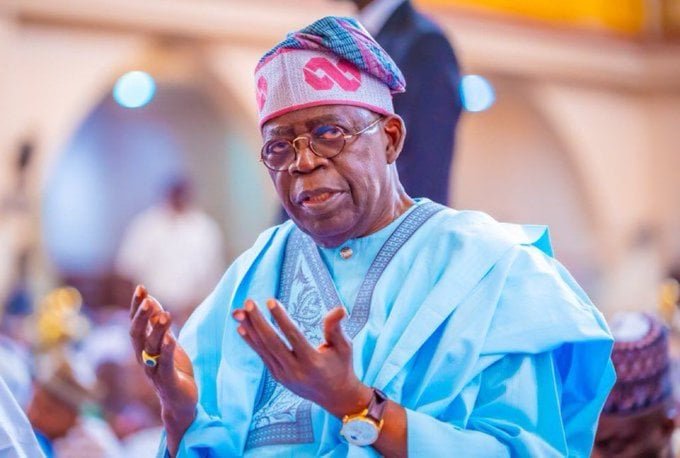
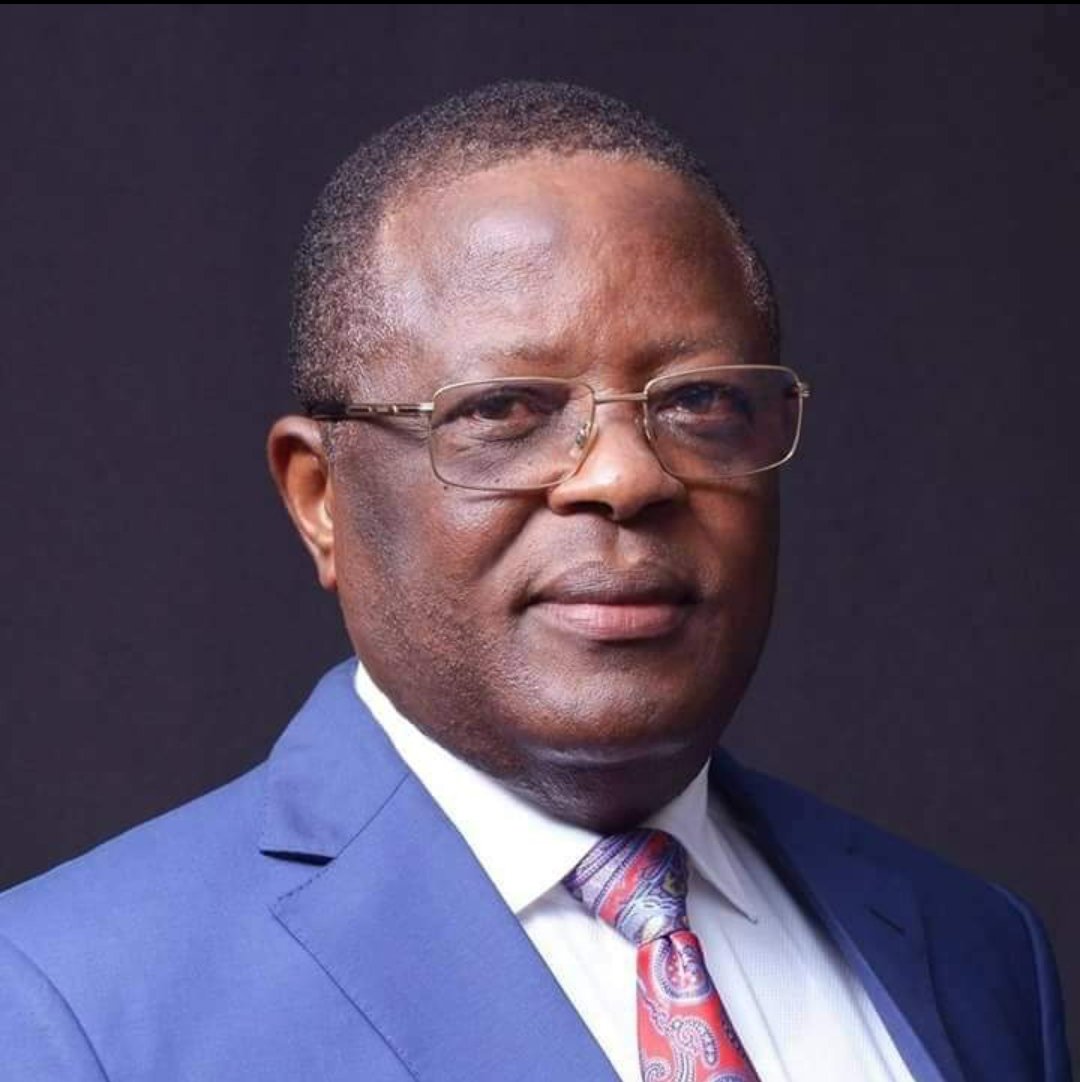
The Federal Government, through the Federal Ministry of Works, has signed landmark contract agreements with four construction firms to execute critical road projects across Nigeria in line with the Renewed Hope Agenda of the administration of Bola Ahmed Tinubu.
The agreements represent another major push toward strengthening transportation infrastructure, improving regional connectivity, and accelerating economic development nationwide. Therefore, the projects are expected to contribute significantly to mobility, commerce, and national productivity.
Infrastructure development remains central to government economic strategy.
Why Road Infrastructure Matters
Road networks play essential roles in national development.
Efficient transportation systems frequently improve movement of goods, services, and people while supporting business activities and regional trade. Therefore, governments often prioritize road construction and rehabilitation within broader economic plans.
Transportation supports economic growth.
Reliable road systems often improve logistics, reduce travel time, and strengthen industrial productivity.
Connectivity drives national integration.
The Renewed Hope Agenda and Infrastructure
The Renewed Hope Agenda continues shaping the Tinubu administration’s development priorities.
The policy framework emphasizes infrastructure modernization, economic reforms, transportation expansion, and national development projects aimed at improving living standards and strengthening economic competitiveness. Therefore, road projects remain important components of the administration’s strategy.
Infrastructure influences long-term development.
Modern transportation systems frequently support investment growth and industrial expansion.
Development requires strategic planning.
Importance of Nationwide Road Projects
Nationwide road projects can improve economic integration.
Road infrastructure often connects rural communities, urban centres, commercial hubs, and industrial zones more efficiently. Therefore, improved transportation networks may strengthen market access and regional development opportunities.
Efficient roads improve mobility.
Transportation access frequently supports agriculture, manufacturing, trade, and tourism activities.
Infrastructure strengthens productivity.
Role of the Federal Ministry of Works
The Federal Ministry of Works remains responsible for major federal road infrastructure projects.
The ministry oversees construction, rehabilitation, maintenance, and modernization of critical transportation infrastructure across Nigeria. Therefore, its contract agreements frequently attract national attention due to their economic significance.
Public infrastructure agencies shape development outcomes.
Large-scale projects often require extensive coordination, planning, and supervision.
Infrastructure delivery affects public confidence.
Construction Firms and Project Execution
Private construction companies remain essential for infrastructure implementation.
Governments frequently partner with engineering and construction firms to deliver major public infrastructure projects requiring technical expertise and large-scale operational capacity. Therefore, effective project execution often depends on strong collaboration between public institutions and contractors.
Partnerships improve implementation capacity.
Technical expertise supports infrastructure quality and durability.
Execution determines project impact.
Economic Benefits of Road Construction
Infrastructure projects frequently generate economic opportunities.
Road construction activities often create employment, stimulate local businesses, and increase demand for construction materials and services. Therefore, such investments may support economic activity across multiple sectors.
Construction projects support job creation.
Improved transportation systems often lower logistics costs for businesses and industries.
Infrastructure drives commercial expansion.
Transportation and National Competitiveness
Modern transportation infrastructure strengthens economic competitiveness.
Countries with efficient road systems often attract stronger investment flows and industrial development opportunities. Therefore, infrastructure modernization may improve Nigeria’s position within regional and international markets.
Efficient logistics support investment attraction.
Reliable transportation networks frequently improve operational efficiency and economic productivity.
Development depends on strong infrastructure systems.
Challenges Facing Infrastructure Development
Despite increasing investments, infrastructure development still faces challenges.
Funding pressures, inflation, project delays, environmental conditions, and maintenance concerns frequently affect major construction projects. Therefore, effective oversight and project management remain essential.
Infrastructure projects require accountability.
Successful execution often depends on transparency, supervision, and sustained funding.
Long-term maintenance remains important.
Public Attention on Infrastructure Spending
Large public contracts usually attract strong public interest.
Citizens, industry stakeholders, and policy analysts frequently monitor project costs, timelines, and implementation quality. Therefore, infrastructure agreements of this scale often become important national discussion points.
Public infrastructure influences daily life.
Road quality frequently affects transportation costs, mobility, and economic efficiency.
Accountability strengthens trust.
The Importance of Sustainable Infrastructure
Durable infrastructure remains critical for long-term development.
Governments increasingly focus on road projects capable of supporting growing populations, rising commercial activities, and climate-related challenges. Therefore, sustainable construction standards often influence infrastructure planning decisions.
Infrastructure resilience supports economic stability.
Long-lasting transportation systems frequently reduce future rehabilitation costs.
Quality matters in infrastructure development.
Looking Ahead
The newly signed contracts are expected to remain under close monitoring as implementation progresses across various regions of Nigeria.
Stakeholders will likely assess construction quality, project delivery timelines, and long-term economic impact as the road projects advance under the Renewed Hope Agenda.
Infrastructure modernization will remain a national priority.
Conclusion: Renewed Push for National Road Infrastructure
The latest contract agreements signed by the Federal Ministry of Works reflect the Federal Government’s continued commitment to transportation infrastructure development under the administration of Bola Ahmed Tinubu.
By prioritizing critical road construction projects nationwide, the government aims to improve connectivity, stimulate economic activity, and strengthen long-term national development across Nigeria.
Ultimately, sustained investment in modern infrastructure will remain essential for improving productivity, regional integration, and economic competitiveness in the years ahead.
About The Author