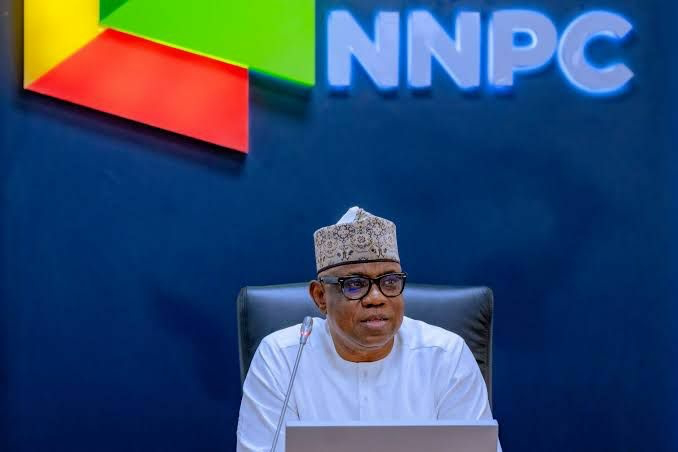

Governor of the Central Bank of Nigeria (CBN), Yemi Cardoso, has announced that Nigeria’s foreign exchange reserves have climbed to 52.52 billion dollars, describing the development as a significant indicator of improving macroeconomic stability and stronger confidence in the country’s ongoing economic reforms.
Cardoso explained that the increase in the nation’s external reserves reflects the impact of policy measures introduced to strengthen Nigeria’s financial system, improve foreign exchange management, attract investment, and build greater resilience against external economic shocks.
Furthermore, the CBN governor noted that stronger foreign exchange reserves provide Nigeria with additional financial flexibility to support exchange rate stability, meet international obligations, strengthen market confidence, and create a more predictable environment for businesses and investors.
The announcement comes as the Central Bank continues implementing reforms aimed at enhancing transparency in the foreign exchange market while supporting broader economic growth under the Federal Government’s economic transformation agenda.
Foreign Exchange Reserves Reach New Milestone
According to Cardoso, the current reserve level represents an encouraging development for Nigeria’s economy.
Furthermore, foreign exchange reserves remain one of the most important indicators of a country’s financial strength because they provide the resources needed to manage external payments, support international trade, and respond to unexpected global economic pressures.
Strong reserves improve economic resilience.
The governor explained that maintaining healthy reserve levels strengthens confidence among investors, international financial institutions, and global business partners.
He added that Nigeria continues working towards building a more stable and resilient economy capable of sustaining long-term growth.
Supporting Exchange Rate Stability
One of the primary advantages of stronger foreign exchange reserves is their ability to support exchange rate stability.
Furthermore, higher reserves provide monetary authorities with greater flexibility when managing foreign exchange market conditions while encouraging orderly market operations.
Stable exchange rates encourage investment.
Businesses often perform better when exchange rate movements become more predictable because improved stability reduces uncertainty associated with imports, exports, production planning, and long-term investments.
Cardoso reiterated that the Central Bank remains committed to promoting transparency and efficiency within Nigeria’s foreign exchange market.
Strengthening Investor Confidence
The CBN governor also stressed that rising external reserves send a positive signal to both domestic and international investors.
Furthermore, stronger reserves demonstrate a country’s capacity to meet external financial commitments while maintaining confidence in its monetary system.
Investor confidence stimulates economic activity.
When investors perceive greater financial stability, they often become more willing to finance businesses, expand operations, create jobs, and invest in productive sectors of the economy.
Cardoso noted that Nigeria continues positioning itself as an attractive destination for responsible long-term investment.
Improving Macroeconomic Stability
Cardoso explained that growing foreign exchange reserves contribute directly to broader macroeconomic stability.
Furthermore, stronger reserves help reduce vulnerability to global financial uncertainties while strengthening the country’s overall economic position.
Macroeconomic stability supports development.
The governor emphasised that sustained policy consistency remains essential for maintaining positive momentum across multiple sectors of the economy.
He added that the Central Bank remains focused on protecting financial stability while supporting sustainable economic growth.
Meeting International Financial Obligations
Foreign exchange reserves also enable countries to fulfil important international financial responsibilities.
Furthermore, reserves help finance imports of essential goods, service external debt obligations, support international trade transactions, and maintain confidence within global financial markets.
Financial credibility attracts opportunities.
Cardoso explained that maintaining adequate reserves ensures Nigeria possesses sufficient resources to manage external commitments responsibly.
Such confidence contributes significantly to the country’s reputation within international financial circles.
Protecting Against Global Economic Shocks
Global financial markets continue facing uncertainty resulting from inflation, geopolitical developments, commodity price fluctuations, and changing monetary policies across major economies.
Furthermore, stronger foreign exchange reserves provide additional protection against these unpredictable external developments.
Economic resilience reduces vulnerability.
Cardoso observed that countries with stronger reserves generally possess greater capacity to absorb temporary global disruptions while maintaining economic stability.
Building resilience therefore remains an important objective of the Central Bank’s monetary strategy.
Supporting Trade and Business Growth
The governor noted that improved reserve levels also benefit businesses operating across Nigeria.
Furthermore, companies involved in manufacturing, agriculture, commerce, technology, healthcare, energy, and industrial production often benefit from a more stable foreign exchange environment.
Business confidence encourages expansion.
Improved access to foreign exchange supports imports of machinery, industrial equipment, raw materials, pharmaceuticals, and other essential inputs required for productive economic activities.
Consequently, stronger reserves indirectly contribute to higher productivity and employment generation.
Commitment to Sound Monetary Management
Cardoso reaffirmed the Central Bank’s commitment to maintaining prudent monetary management.
Furthermore, ongoing reforms remain focused on improving market transparency, strengthening financial institutions, enhancing liquidity, controlling inflationary pressures, and promoting sustainable economic development.
Policy discipline builds trust.
The governor explained that long-term economic success requires careful policy implementation rather than short-term interventions that fail to address structural challenges.
The CBN therefore remains committed to maintaining stability while supporting broader national development objectives.
Looking Ahead
Governor Yemi Cardoso expressed optimism that Nigeria’s improving foreign exchange reserve position will continue supporting stronger economic performance in the months and years ahead.
Furthermore, he maintained that sustained policy reforms, improved financial management, stronger investor confidence, and continued macroeconomic stability will position Nigeria for greater economic resilience and long-term prosperity.
As the country continues strengthening its financial foundations, the increase in foreign exchange reserves to 52.52 billion dollars represents an important milestone in Nigeria’s ongoing economic journey. Cardoso reaffirmed that the Central Bank will continue pursuing policies that strengthen the financial system, improve exchange rate stability, attract productive investment, support sustainable economic growth, and build a more resilient economy capable of creating greater opportunities for businesses, investors, and millions of Nigerians while enhancing the country’s competitiveness within the global economy.
About The Author