
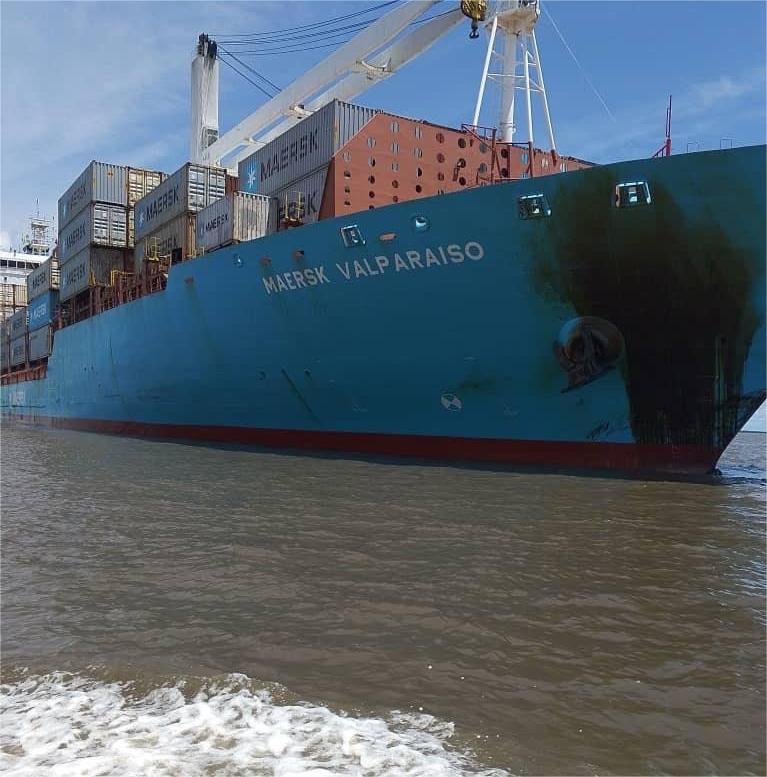
The Nigerian Maritime Administration and Safety Agency (NIMASA) has activated its Emergency Situation Monitoring Room to coordinate response operations following a collision involving two vessels at Bonny Inner Anchorage in Rivers State.
The activation of the emergency response centre underscores the seriousness with which maritime authorities are treating the incident as efforts intensify to assess the situation, ensure navigational safety, and prevent potential environmental or operational risks.
According to maritime officials, the monitoring room will serve as a central coordination hub for gathering information, supervising response activities, and maintaining communication with relevant stakeholders involved in the emergency operation.
Rapid Response to a Maritime Emergency
Maritime accidents require swift and coordinated responses to minimise risks to human lives, marine ecosystems, and commercial shipping activities.
By activating its Emergency Situation Monitoring Room, NIMASA aims to ensure that all relevant agencies and operators work together effectively while providing real-time updates on developments surrounding the collision.
Emergency monitoring centres play critical roles during maritime incidents by facilitating information sharing, supporting decision-making, and coordinating rescue, investigation, and recovery efforts when necessary.
The agency’s prompt action reflects established safety protocols designed to address emergencies within Nigeria’s territorial waters.
Importance of Bonny Anchorage
Bonny Inner Anchorage remains one of Nigeria’s most important maritime locations due to its strategic role in supporting shipping activities linked to the nation’s oil and gas industry as well as broader commercial operations.
The area frequently accommodates vessel traffic involving cargo ships, support vessels, tankers, and other maritime operators.
Given the volume of marine activity within the region, maintaining navigational safety remains a top priority for regulatory authorities and industry stakeholders.
Any incident occurring within such a critical maritime corridor naturally attracts significant attention because of its potential implications for shipping operations and environmental protection.
Ensuring Safety of Crew Members
One of the immediate priorities following any vessel collision is determining the condition and safety of crew members onboard the affected vessels.
Maritime authorities typically conduct assessments to establish whether injuries have occurred and whether emergency evacuation or rescue measures are required.
Protecting lives remains the primary objective during the early stages of emergency response operations.
The activation of NIMASA’s monitoring facility is expected to support ongoing efforts aimed at obtaining accurate information and coordinating any necessary safety interventions.
Environmental Protection Concerns
Maritime collisions sometimes raise concerns regarding possible environmental impacts, particularly when vessels carry fuel, petroleum products, chemicals, or other potentially hazardous materials.
As part of standard emergency procedures, authorities often evaluate the possibility of oil spills, fuel leaks, or other forms of marine pollution that could threaten coastal ecosystems and aquatic life.
Nigeria continues strengthening its maritime environmental protection framework, making rapid assessment and containment measures important components of incident management whenever accidents occur within national waters.
Monitoring environmental risks remains a key responsibility of maritime regulators during such situations.
The Role of NIMASA
The Nigerian Maritime Administration and Safety Agency serves as Nigeria’s primary maritime regulatory authority with responsibilities that include maritime safety, security, environmental protection, shipping development, and compliance with international maritime standards.
The agency routinely collaborates with port authorities, shipping operators, security agencies, and international maritime organizations to promote safe and efficient maritime operations.
Its emergency management structures are designed to ensure rapid response whenever incidents threaten maritime safety or disrupt commercial activities.
The activation of the Emergency Situation Monitoring Room reflects these responsibilities.
Supporting Nigeria’s Blue Economy
Maritime safety remains fundamental to Nigeria’s growing blue economy ambitions.
The shipping industry supports international trade, energy exports, fisheries, logistics services, and broader economic activities that contribute significantly to national development.
Maintaining safe waterways encourages investment, improves operational confidence, and strengthens Nigeria’s position as a major maritime nation within West Africa.
Effective incident response mechanisms therefore play an important role in protecting economic assets while preserving confidence in the country’s maritime infrastructure.
Investigation and Assessment Expected
As emergency operations continue, maritime authorities are expected to investigate the circumstances surrounding the collision.
Such investigations typically examine navigational conditions, vessel movements, operational procedures, communication records, and other relevant factors that may have contributed to the incident.
The findings often help identify lessons that can strengthen future safety measures and reduce the likelihood of similar occurrences.
Transparency and accountability remain important elements of maritime incident management worldwide.
Looking Ahead
The decision by the Nigerian Maritime Administration and Safety Agency to activate its Emergency Situation Monitoring Room demonstrates a proactive approach to managing the vessel collision at Bonny Inner Anchorage in Rivers State.
As response efforts continue, attention will remain focused on ensuring the safety of personnel, protecting the marine environment, restoring normal maritime operations, and determining the cause of the incident.
Ultimately, effective coordination and timely intervention will be critical in mitigating risks and safeguarding Nigeria’s vital maritime sector.
About The Author