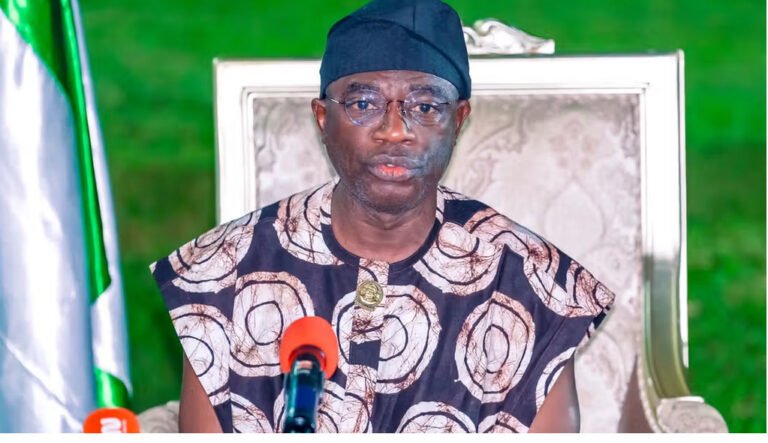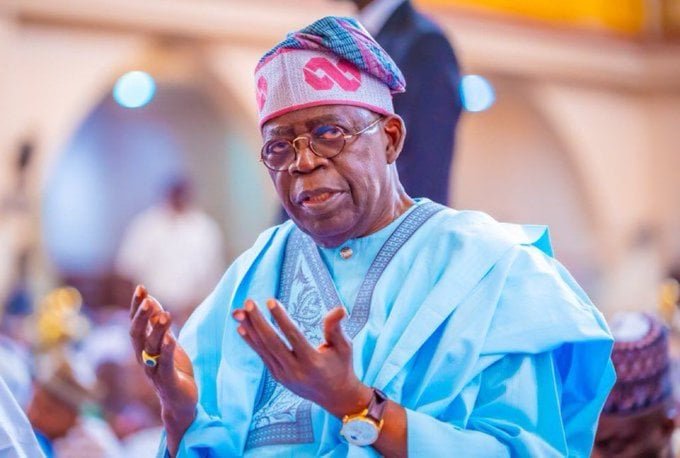
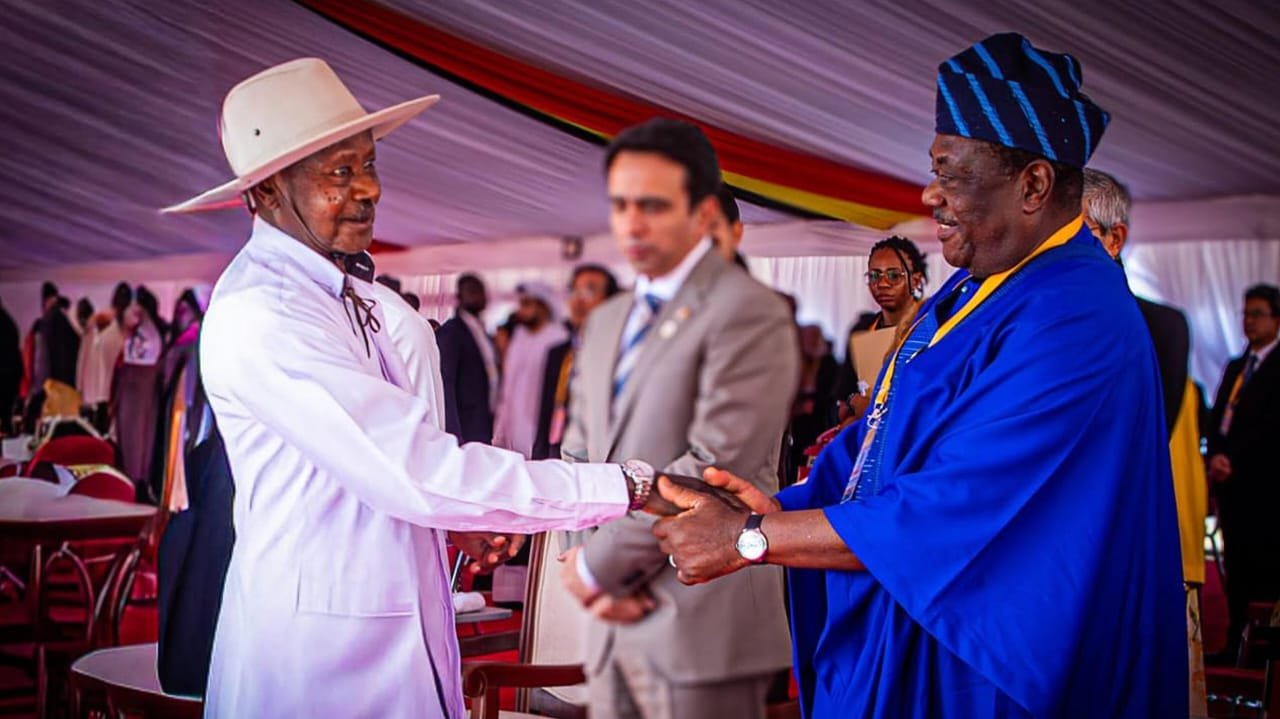
The Secretary to the Government of the Federation, George Akume, represented Bola Ahmed Tinubu on Tuesday at the swearing-in ceremony of Yoweri Museveni, President of Uganda.
The ceremony was held at the Kololo Ceremonial Grounds in Kampala and attracted dignitaries, government officials, diplomats, and regional leaders from across Africa and beyond. Therefore, Nigeria’s participation reflects the country’s continued commitment to strengthening diplomatic engagement and regional cooperation within the African continent.
Diplomatic representation remains an important aspect of international relations.
Why High-Level Diplomatic Representation Matters
Countries often send senior officials to important international ceremonies.
Such representation demonstrates respect, solidarity, and commitment to maintaining strong bilateral and regional relationships. Therefore, the presence of George Akume at the inauguration ceremony highlights the importance Nigeria places on its relationship with Uganda.
Diplomatic engagements strengthen cooperation.
Political, economic, security, and cultural relationships between nations often improve through consistent high-level interactions and mutual support.
International partnerships also promote regional stability.
Yoweri Museveni’s Political Influence in Africa
Yoweri Museveni remains one of Africa’s most recognized political leaders.
Over the years, Uganda has played important roles in regional diplomacy, security cooperation, and East African political affairs. Therefore, the swearing-in ceremony attracted considerable international attention from governments and diplomatic communities across the continent.
Leadership transitions and inaugurations often carry symbolic significance.
Such ceremonies frequently represent continuity, political stability, and national direction within democratic systems.
Regional leaders closely observe these developments.
Nigeria and Uganda’s Diplomatic Relations
Nigeria and Uganda maintain cordial diplomatic relations.
Both countries continue cooperating on matters involving African unity, regional peace, trade, security, and continental development initiatives. Therefore, Nigeria’s participation in the ceremony reinforces ongoing efforts to deepen bilateral and multilateral partnerships.
African nations increasingly prioritize cooperation.
Shared challenges involving economic growth, security, youth development, and climate resilience often require stronger collaboration among countries.
Diplomatic relationships support collective progress.
The Role of the SGF in National Representation
The office of the Secretary to the Government of the Federation plays a strategic role within Nigeria’s governance structure.
As SGF, George Akume coordinates government activities and frequently represents the Presidency at important national and international events. Therefore, his attendance at the ceremony reflects the significance attached to the occasion by the Nigerian government.
High-level representation strengthens diplomatic visibility.
Government officials often serve as channels for strengthening interstate relationships and promoting national interests abroad.
Leadership presence matters in diplomacy.
African Unity and Regional Cooperation
Regional cooperation remains central to Africa’s development agenda.
African countries continue pursuing stronger partnerships involving trade, infrastructure, peacekeeping, investment, education, and political collaboration. Therefore, diplomatic engagements such as presidential inaugurations provide opportunities for dialogue and relationship building among leaders.
Continental unity supports development goals.
Cooperation among African nations may improve economic integration, regional stability, and collective bargaining power globally.
Pan-African engagement continues growing in importance.
The Importance of Diplomatic Ceremonies
State ceremonies often extend beyond symbolism.
Presidential inaugurations and diplomatic gatherings usually provide opportunities for bilateral discussions, strategic consultations, and policy exchanges among participating countries. Therefore, such events frequently contribute to broader diplomatic and economic engagement.
International visibility also matters.
Countries often use diplomatic occasions to reinforce partnerships and showcase commitment to regional cooperation.
Diplomacy supports peaceful international relations.
Nigeria’s Expanding Foreign Policy Engagement
The administration of Bola Ahmed Tinubu continues emphasizing international cooperation and regional engagement.
Nigeria remains active in continental discussions involving economic integration, democracy, investment, peacebuilding, and development initiatives. Therefore, participation in major African political events aligns with broader foreign policy objectives.
Strong diplomacy supports national interests.
Countries with active international engagement often strengthen trade opportunities, security partnerships, and regional influence.
Africa’s Growing Global Relevance
Africa continues attracting increasing international attention.
The continent’s growing population, expanding markets, natural resources, and strategic importance have strengthened global interest in African political and economic developments. Therefore, diplomatic cooperation among African countries remains increasingly important.
Regional stability supports investment and development.
Peaceful political processes often encourage investor confidence and international collaboration.
Looking Ahead
Diplomatic cooperation among African nations is expected to deepen further.
As countries continue addressing shared economic and security challenges, regional partnerships and interstate collaboration will likely remain central to continental progress and integration efforts.
Leadership engagement will continue shaping Africa’s future direction.
Conclusion: Strengthening African Diplomacy Through Strategic Engagement
The representation of Bola Ahmed Tinubu by George Akume at the swearing-in ceremony of Yoweri Museveni in Kampala reflects Nigeria’s continued commitment to diplomacy, regional cooperation, and African unity.
As African nations strengthen partnerships and pursue shared development goals, diplomatic engagements remain essential for promoting stability, collaboration, and continental progress.
Ultimately, strong interstate relationships continue serving as important foundations for peace, development, and long-term prosperity across Africa.
About The Author