
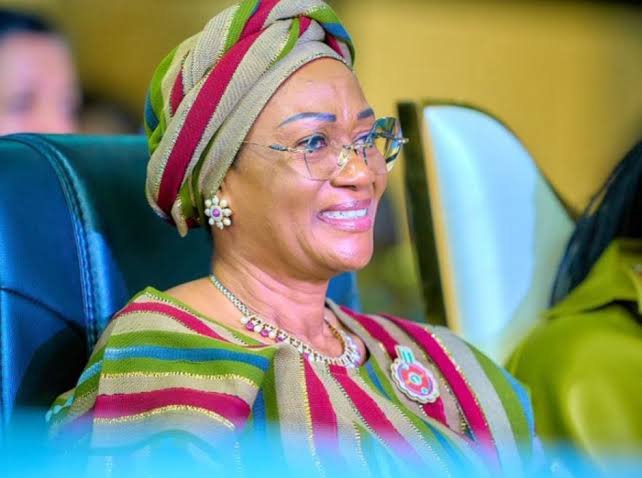
Nigeria’s First Lady, Oluremi Tinubu, has called for urgent and coordinated action to eliminate obstetric fistula, describing the condition as a preventable and treatable childbirth injury that no woman or girl should be forced to endure.
The First Lady made the appeal while emphasizing the need for stronger maternal healthcare systems, increased public awareness, improved access to skilled birth attendants, and greater support for affected women across the country.
According to her, addressing obstetric fistula requires collective efforts from government institutions, healthcare professionals, development partners, community leaders, and civil society organizations to ensure that women receive the care and protection they deserve during pregnancy and childbirth.
A Preventable Maternal Health Challenge
Obstetric fistula is a serious childbirth injury that typically results from prolonged or obstructed labour without timely medical intervention.
The condition can lead to significant health complications and often affects a woman’s physical, emotional, and social well-being.
Medical experts have consistently maintained that obstetric fistula is both preventable and treatable when adequate maternal healthcare services are available and accessible.
Despite advances in healthcare, many women in developing countries continue to face barriers that increase their vulnerability to childbirth-related complications.
These challenges include limited access to quality healthcare facilities, shortages of skilled medical personnel, delayed medical intervention, and inadequate maternal health awareness.
Why Maternal Healthcare Matters
Maternal health remains a critical component of national development and public health policy.
Healthy mothers contribute significantly to stronger families, healthier communities, and improved social outcomes.
Investments in maternal healthcare often generate long-term benefits that extend beyond individual patients.
Access to quality prenatal care, skilled delivery services, emergency obstetric care, and postnatal support can dramatically reduce complications associated with pregnancy and childbirth.
Improved maternal healthcare systems also contribute to lower maternal mortality rates and better health outcomes for newborns.
The First Lady’s call highlights the importance of prioritizing these services within broader healthcare strategies.
The Need for Coordinated Action
One of the key messages in Oluremi Tinubu’s appeal is the importance of collaboration.
Addressing obstetric fistula requires a multi-sector approach involving healthcare institutions, policymakers, traditional leaders, community organizations, and international development partners.
Effective interventions often include public education campaigns, improved healthcare infrastructure, professional medical training, and increased access to emergency obstetric services.
Community engagement also plays an important role in encouraging early healthcare-seeking behaviour and reducing barriers that prevent women from accessing medical assistance during pregnancy and childbirth.
Through coordinated efforts, stakeholders can strengthen prevention strategies and expand treatment opportunities for affected women.
Supporting Survivors with Dignity
Beyond prevention and treatment, there is growing recognition of the need to support women living with obstetric fistula.
Many survivors face social stigma, emotional distress, and economic hardship as a result of the condition.
Providing access to medical care, rehabilitation services, counselling, and economic empowerment programmes can help affected women rebuild their lives and regain confidence.
Advocates continue emphasizing that survivors deserve compassion, dignity, and opportunities to fully reintegrate into society.
The First Lady’s remarks underscore the importance of ensuring that no woman is left behind in efforts to address maternal health challenges.
Advancing Women’s Health and Wellbeing
The campaign against obstetric fistula aligns with broader initiatives aimed at improving women’s health outcomes across Nigeria.
Efforts to expand healthcare access, strengthen maternal services, promote reproductive health education, and improve healthcare infrastructure remain central to achieving better outcomes for women and children.
Experts note that reducing preventable childbirth injuries requires sustained investment, effective policies, and continuous public awareness.
As healthcare systems improve, the likelihood of preventable complications decreases, creating safer experiences for mothers during pregnancy and delivery.
Building a Healthier Future
Ending obstetric fistula is widely viewed as an achievable goal when governments and stakeholders maintain consistent commitment to maternal healthcare improvements.
Advances in medical care, increased awareness, and stronger healthcare systems have already demonstrated positive results in many parts of the world.
For Nigeria, continued investment in maternal health services offers an opportunity to protect women, strengthen families, and improve overall public health outcomes.
The First Lady’s advocacy adds momentum to ongoing efforts aimed at ensuring that every woman has access to safe and quality healthcare before, during, and after childbirth.
Looking Ahead
The call by Oluremi Tinubu for urgent and coordinated action against obstetric fistula reinforces the need to prioritize maternal health as a national development issue.
By strengthening healthcare systems, expanding access to skilled medical care, increasing awareness, and supporting affected women, stakeholders can work toward eliminating a condition that is both preventable and treatable.
As Nigeria continues advancing healthcare reforms and maternal health initiatives, sustained collaboration and commitment will remain essential to ensuring that no woman or girl suffers from preventable childbirth injuries and that every mother has the opportunity to experience safe and dignified care.
About The Author