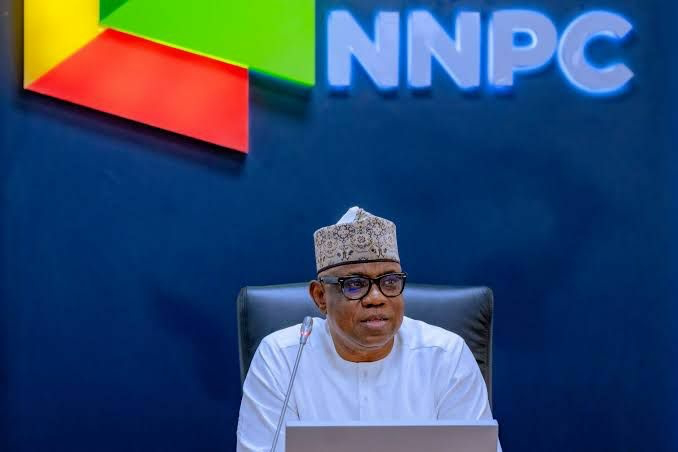

President Bola Ahmed Tinubu has approved a landmark reform designed to replace project-by-project negotiations with a more transparent investment framework for Nigeria’s deep offshore oil sector.
The reform is expected to unlock up to US$50 billion in deep offshore investment, potentially creating a major new wave of activity across Nigeria’s petroleum industry.
The initiative reflects the Federal Government’s broader efforts to improve investment certainty, attract long-term capital, and unlock the country’s significant offshore energy potential.
Moving Away From Project-by-Project Negotiations
Under the new approach, investors are expected to operate within a clearer and more predictable framework.
Furthermore, moving away from repeated project-specific negotiations could reduce uncertainty for companies considering major offshore developments.
Predictable rules encourage investment.
Clear frameworks reduce uncertainty.
Investment certainty supports long-term planning.
Unlocking Up to $50 Billion
The reform targets as much as $50 billion in potential deep offshore investment.
Furthermore, such investment could significantly expand exploration, development, production, infrastructure, and supporting services across Nigeria’s offshore petroleum industry.
Capital supports exploration.
Investment expands production.
Energy projects create economic activity.
Attracting Global Investors
Deep offshore projects require substantial capital and long-term commitments.
Furthermore, a transparent investment framework could improve Nigeria’s attractiveness to international oil companies and other investors seeking opportunities in the global energy market.
Investor confidence supports capital flows.
Clear policies improve competitiveness.
Stable frameworks encourage long-term commitments.
Boosting Nigeria’s Oil Production
Greater investment in deep offshore assets could help Nigeria strengthen oil production over the long term.
Furthermore, new developments could support increased output while expanding government revenue and strengthening the country’s position within the international energy market.
Higher production supports revenue.
Investment expands capacity.
Energy remains strategically important.
Creating Wider Economic Opportunities
Deep offshore investment extends beyond oil production.
Furthermore, major projects can generate opportunities for engineering firms, maritime businesses, logistics companies, technology providers, contractors, professional services, and other local businesses.
Energy projects create supply chains.
Local businesses gain opportunities.
Industrial activity supports employment.
Strengthening Nigeria’s Energy Investment Climate
The reform also sends a broader signal about the government’s approach to energy-sector investment.
Furthermore, investors often consider regulatory clarity, fiscal stability, contract certainty, infrastructure, security, and market conditions when deciding where to commit long-term capital.
Policy certainty attracts capital.
Strong institutions build confidence.
Competitive frameworks encourage investment.
Supporting the Wider Energy Transition
While global energy markets continue to evolve, Nigeria remains focused on maximising the value of its oil and gas resources.
Furthermore, increased investment could provide additional resources for infrastructure and economic development while Nigeria continues expanding opportunities across other areas of the energy sector.
Energy revenue can support development.
Investment strengthens infrastructure.
Diversification remains important.
Looking Ahead
President Tinubu’s approval of the new deep offshore investment framework represents a significant attempt to create a more predictable environment for major petroleum investments.
With the potential to unlock up to US$50 billion, the reform could become an important part of Nigeria’s strategy to attract capital, expand offshore production, strengthen government revenue, and stimulate activity across the oil and gas value chain.
The real test will be implementation.
Investors will watch regulatory consistency.
Projects will require timely execution.
For Nigeria, the opportunity is substantial: turning deep offshore resources into long-term investment, jobs, economic activity, and stronger energy-sector growth.
About The Author